The Pharmaceutical Society of Kenya (PSK) has raised concerns over misleading medical information circulating on social media, urging Kenyans to use medicines strictly for their intended medical purposes and seek professional advice before trying unfamiliar treatments.
In a public statement issued on Thursday, November 5, 2026, the professional body representing pharmacists in Kenya addressed growing discussions promoting the use of cetirizine, a commonly prescribed antihistamine, for purported vaginal tightening.
PSK noted that some social media posts had been encouraging women to insert cetirizine tablets into the vagina, despite the medicine not being approved or tested for such use.
The society moved to clarify the intended medical application of the drug, warning that misinformation surrounding medicines could expose members of the public to unnecessary health risks.
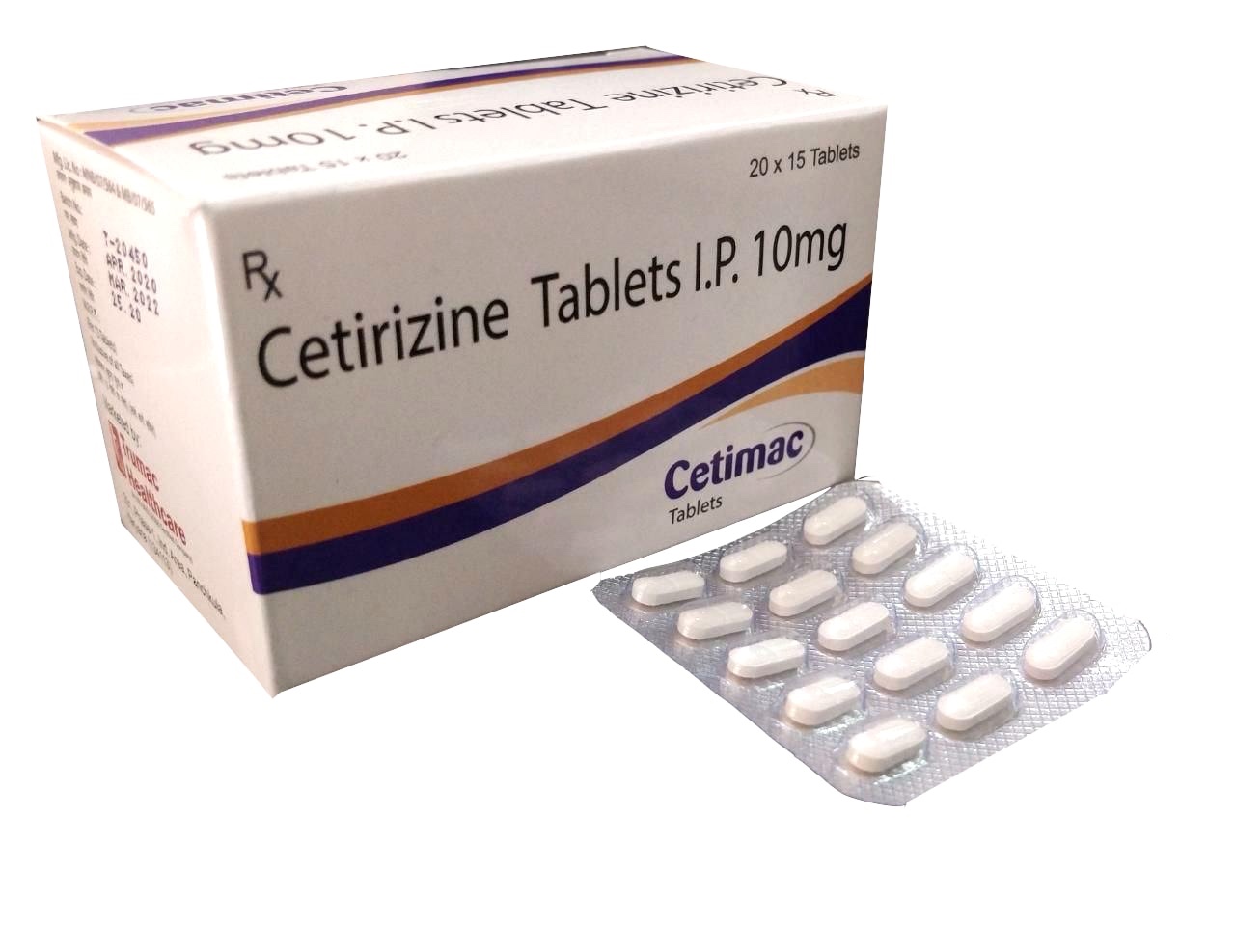
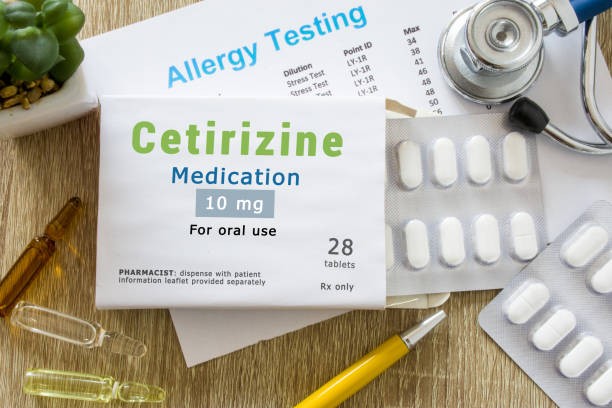
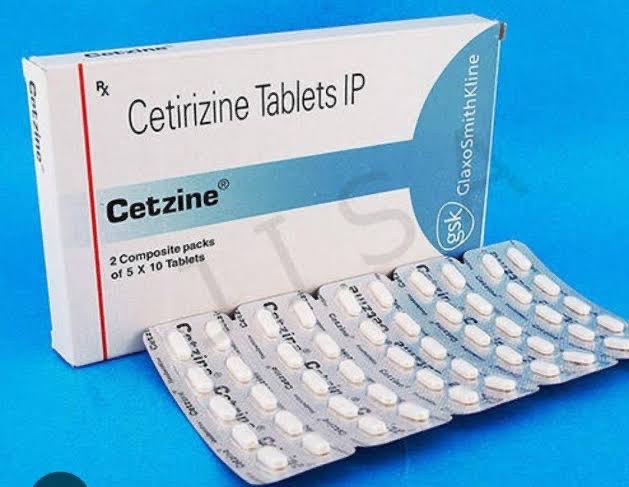
According to PSK, cetirizine is an allergy medication taken orally to relieve symptoms such as sneezing, a runny nose, itchy eyes and skin reactions, including hives. It works by blocking histamine, a substance released by the body during allergic reactions.
The society further dismissed claims linking vaginal dryness to vaginal tightening, describing the perception as medically inaccurate.
It explained that although antihistamines may cause dryness as a side effect, reduced lubrication does not strengthen vaginal muscles or change vaginal anatomy. Instead, the reduced lubrication could increase friction, discomfort and the possibility of tissue injury.
PSK also cautioned against inserting oral cetirizine tablets into the vagina, explaining that the medication’s ingredients have not been tested for use on delicate vaginal tissue.
The professional body warned that the fact that a medicine is readily available or commonly used does not automatically make it appropriate for every purpose or free from side effects.
It emphasised that cetirizine should only be taken according to the instructions provided on its packaging or as directed by a pharmacist or medical doctor.
The society also expressed concern over the growing circulation of unverified medical claims on social media, noting that while digital platforms have become important channels for sharing health information, misleading advice could pose significant risks to public health.
PSK urged members of the public to consult qualified healthcare professionals whenever they are uncertain about the appropriate use of medication rather than relying on viral posts or online recommendations.
The society further called on media practitioners and content creators to exercise responsibility when sharing information about medicines and health interventions, ensuring that published material is evidence-based and does not endanger the public.
It also urged pharmacists to counsel patients appropriately, avoid knowingly dispensing medicines for misuse and report suspected adverse drug reactions through the Pharmacy and Poisons Board’s pharmacovigilance channels.
The statement was issued by PSK President Dr Wairimu Njuki, who reiterated the society’s commitment to working with the Pharmacy and Poisons Board, the Ministry of Health and other healthcare professionals to promote medicine safety in the country.