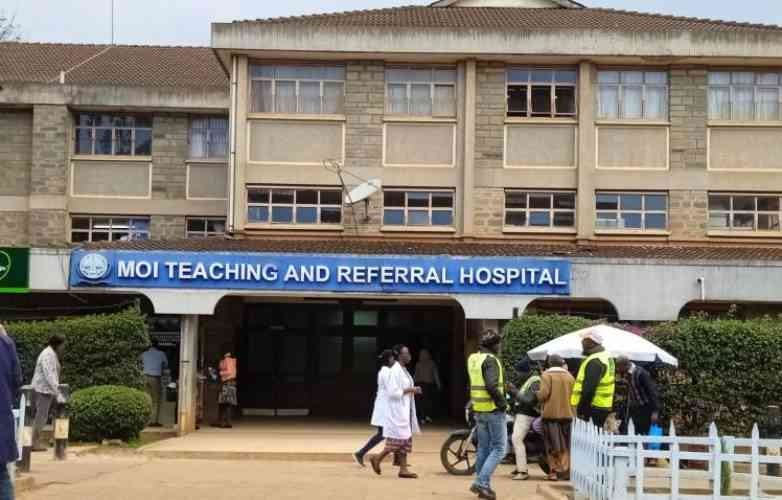
Moi Teaching and Referral Hospital (MTRH) has assured Kenyans of its preparedness to handle Ebola and other emerging infectious diseases, saying it has the specialised facilities, equipment and personnel needed to respond to potential health emergencies.
MTRH Chief Executive Officer Dr. Philip Kirwa said the hospital had strengthened its capacity to manage suspected cases and protect healthcare workers as the country remains alert to emerging disease threats.
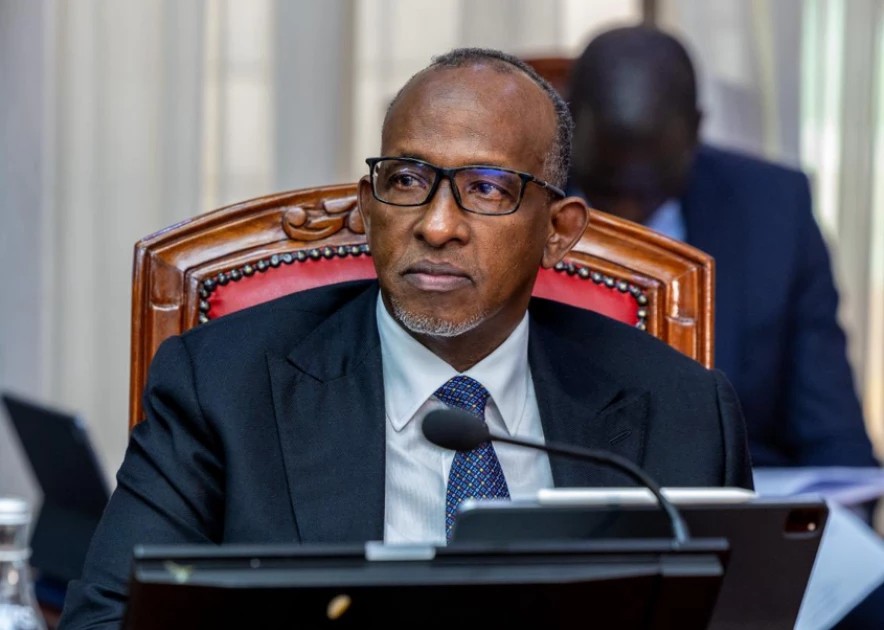
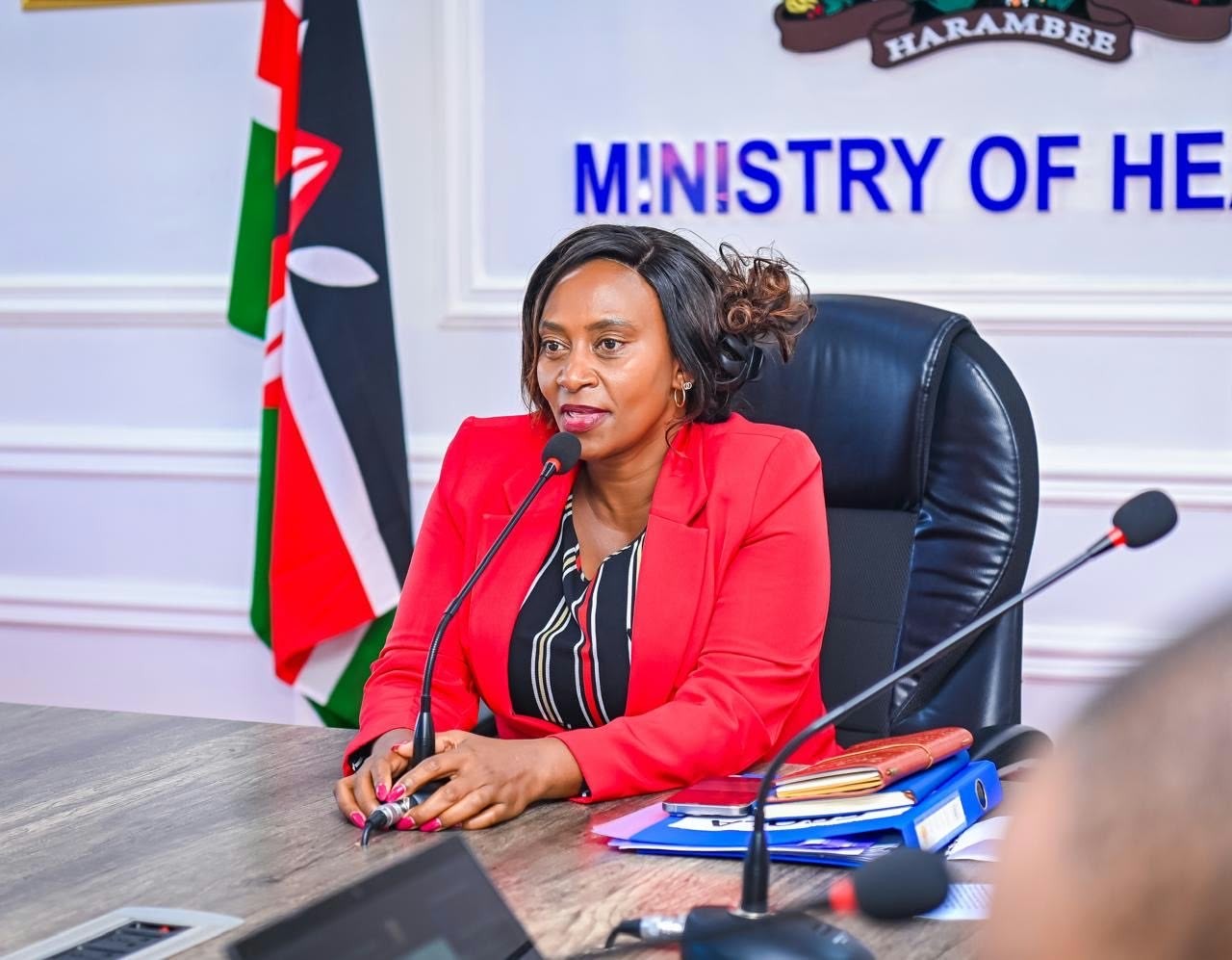
Dr. Kirwa spoke while hosting the Parliamentary Committee on Health, where he outlined the hospital’s readiness to respond to public health emergencies and provide specialised care to patients who may require isolation, testing and treatment.
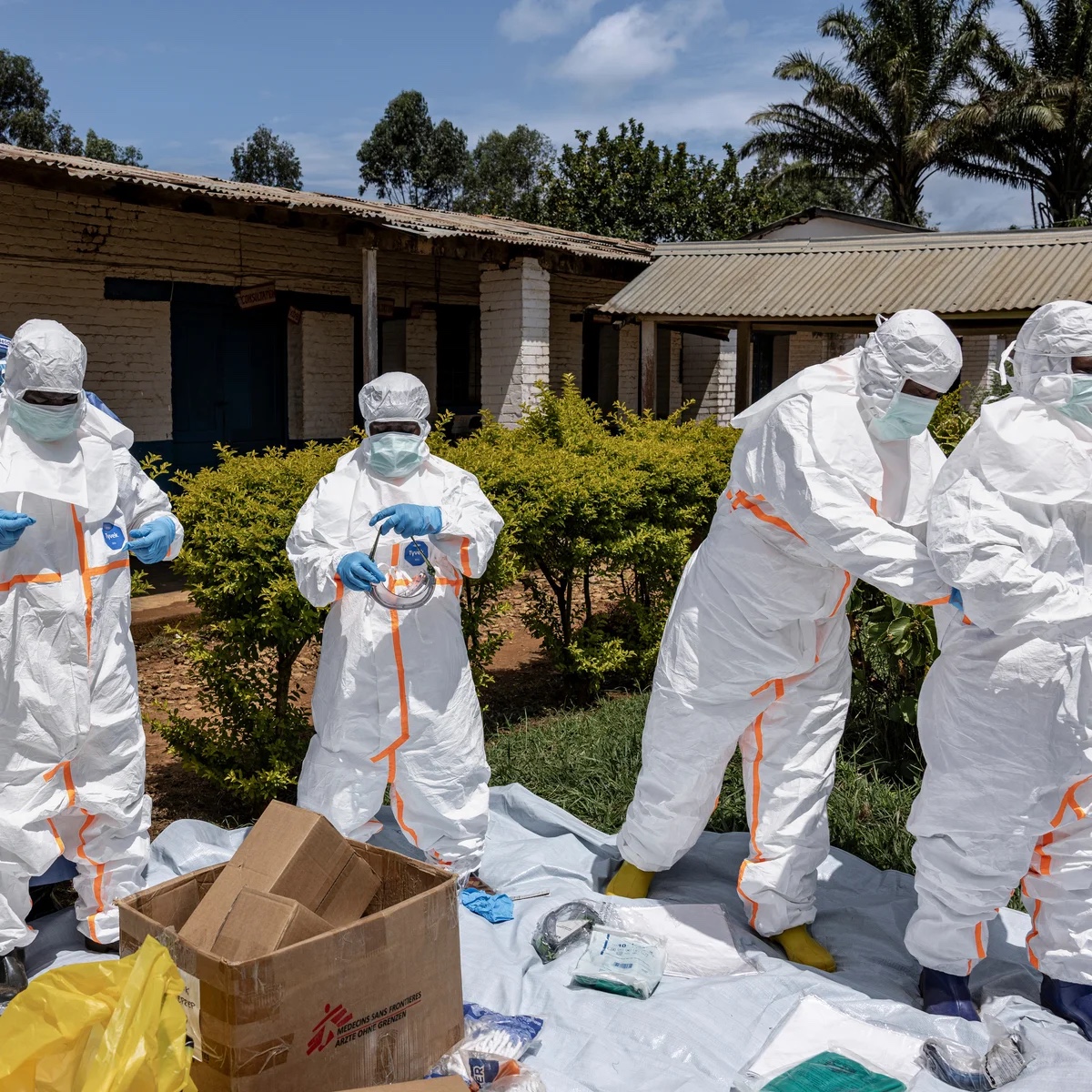
He noted that the national government had supplied the hospital with specialised equipment, including protective gear for healthcare workers. The equipment is intended to help medical teams manage suspected infectious disease cases while reducing the risk of exposure during patient care.
The hospital’s preparedness comes amid the need for health facilities to maintain strong surveillance, early detection and response systems to prevent the spread of dangerous infectious diseases.
Dr. Kirwa revealed that MTRH had so far received 10 patients suspected of having Ebola. However, all the patients were discharged after tests returned negative results, indicating that none of the cases was confirmed as Ebola at the facility.
The development highlights the role of referral hospitals in assessing suspected cases, conducting the necessary tests and ensuring that patients receive appropriate medical attention as health authorities monitor potential disease threats.
Ebola is a serious viral disease that can cause severe illness and requires strict infection prevention and control measures when suspected cases are identified. Health workers handling such cases need appropriate protective equipment, while suspected patients must be assessed and managed under established public health protocols.
MTRH’s assurance is expected to reassure members of the public about the facility’s ability to respond to suspected Ebola infections and other emerging diseases. However, continued preparedness depends on adequate supplies, trained personnel, effective surveillance and coordination between health facilities and national health authorities.
The hospital’s engagement with the Parliamentary Committee on Health also provides an opportunity for legislators to assess the capacity of major health institutions to respond to emergencies and identify areas that may require additional support.