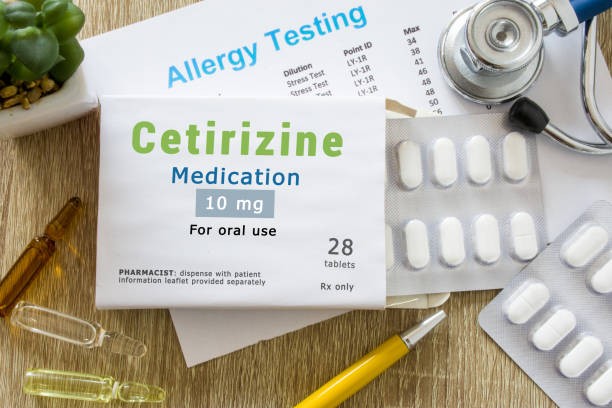
The Pharmacy and Poisons Board (PPB) has issued a public safety alert warning Kenyans against misusing cetirizine following misleading social media claims suggesting that the allergy medication can be used to achieve vaginal tightening.
In a safety notice issued on Thursday, November 5, 2026, the regulator cautioned women against inserting cetirizine tablets into the vagina, warning that the practice could cause irritation, discomfort and potentially increase the risk of infections.
The Board noted that it had observed misleading claims circulating on social media promoting cetirizine as a product that could cause vaginal dryness or tighten the vagina.
Clarifying the intended use of the medication, PPB explained that cetirizine is an antihistamine prescribed to relieve allergy symptoms, including allergic rhinitis and urticaria, commonly known as hives.
The regulator emphasised that the medicine is intended for oral use and should only be taken according to instructions from a qualified healthcare professional.
It further stated that cetirizine has not been approved for vaginal use or tightening, adding that there is no established scientific evidence supporting claims that the medication can achieve such results.
The Board warned that inserting cetirizine tablets into the vagina could cause irritation, burning, soreness, pain or discomfort.
It added that introducing health products that are not designed for vaginal use could interfere with the vagina’s natural protective environment, potentially increasing the risk of infections.
Beyond the risks associated with inserting the tablets, PPB cautioned against taking cetirizine in doses higher than those recommended by healthcare professionals.
According to the regulator, an overdose could result in several adverse effects, including excessive sleepiness, dizziness, tiredness, restlessness, confusion, shaking, a rapid heartbeat and difficulty passing urine.
The Board urged members of the public not to insert cetirizine tablets or other oral medications into the vagina, insisting that medicines should only be used for their approved purposes and through the recommended routes of administration.
Women experiencing concerns relating to vaginal health, dryness or sexual health were encouraged to seek guidance from qualified healthcare professionals rather than experiment with medicines based on information shared online.
The regulator also warned Kenyans against relying on or sharing unverified medical claims circulating on social media, noting the importance of obtaining accurate health information from qualified professionals.
PPB further encouraged members of the public who experience suspected side effects or other medicine-related safety concerns to report them through its pharmacovigilance channels.
Reports can be submitted through the Board’s online portal, the mPvERS mobile application available on Android and iOS, or via email at pv@ppb.go.ke and pms@ppb.go.ke. Members of the public can also reach the regulator through 0795743049.
The Pharmacy and Poisons Board is mandated under Cap 244 of the Laws of Kenya to regulate the pharmacy profession and safeguard public health by ensuring access to quality, safe and effective health products and technologies.