Kenya has become the first African country to join the Global Dengue Alliance, with the Kenya Medical Research Institute (KEMRI) joining an international research partnership seeking better treatments for dengue amid concerns over the disease's spread.
The announcement was made on Tuesday, October 27, 2026, during an Alliance meeting in Kuala Lumpur, Malaysia, marking Kenya's entry into a global collaboration focused on developing safe, effective, affordable and accessible dengue treatments.
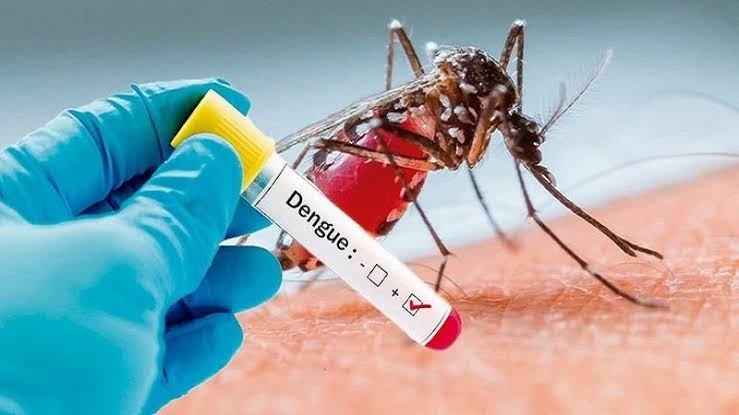
The partnership will see KEMRI contribute its expertise in clinical research, diagnostics and disease surveillance to efforts aimed at improving the understanding, detection and management of dengue, a mosquito-borne viral infection.
According to a press release announcing the development, Kenya recorded almost 10,000 dengue cases between January and August 2026. The release also cited 4,300 cases in 2025 and 1,400 in 2024.
KEMRI Acting Director of Research and Development Dr Erick Muok said the partnership would allow Kenya to contribute African expertise and evidence to international efforts to advance dengue research, surveillance, diagnostics and clinical management.
Muok said the disease remained a growing public health concern in Africa, where its actual burden was believed to be underestimated because of underdiagnosis and underreporting.
The Dengue Alliance was established in 2022 and brings together research institutions in countries affected by the disease. Its members include the Drugs for Neglected Diseases initiative (DNDi) and research institutions from Brazil, Malaysia, India and Thailand.
KEMRI's entry is expected to expand the partnership's geographical and scientific reach, creating opportunities for further research into dengue treatments and helping ensure that African patients are considered in future studies.
DNDi Head of the Global Dengue Programme Dr André Siqueira welcomed KEMRI's membership, citing the institute's expertise in clinical research, diagnostics, surveillance and outbreak response.
Siqueira said dengue was no longer confined to traditionally endemic regions and that international cooperation was necessary to address the disease. He added that despite advances in vaccines and mosquito control, there was still no specific antiviral treatment for dengue.
The Alliance is also supporting research into potential treatments. Through a collaboration between DNDi and the Serum Institute of India, partners are advancing a promising dengue treatment candidate towards a Phase III clinical trial expected to begin in early 2027 in Brazil, Thailand and Malaysia.
Other research efforts are exploring antiviral medicines and host-directed therapies, which seek to influence the body's response to infection.
In Kenya, dengue transmission has been reported beyond traditionally affected coastal areas, including northern and western regions. Kenya News Agency has also reported cases in Garissa and Wajir, illustrating the disease's presence in northern Kenya.
Through the partnership, KEMRI is expected to contribute its expertise in arboviral diseases, clinical research, diagnostics, surveillance and climate-related health research to strengthen understanding of dengue transmission and support the development of new medicines.
The collaboration comes as researchers seek to close gaps in dengue diagnosis and treatment and improve access to effective care for affected populations.