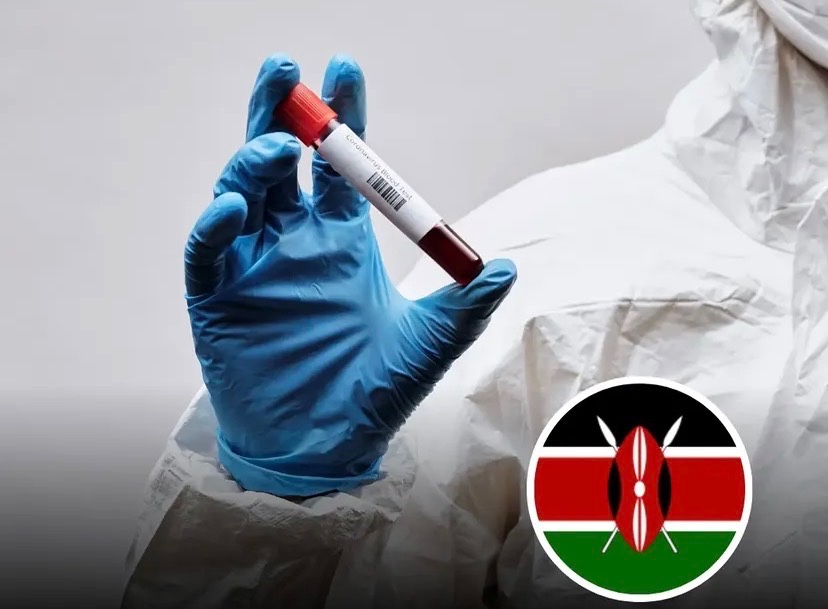
The United Nations (UN) has allocated more than $2 million to strengthen Kenya’s Ebola preparedness and response, targeting border surveillance, frontline health workers and high-risk travel routes as the country manages an outbreak that has claimed two lives.
The funding, provided through the Kenya Humanitarian Fund managed by the UN Office for the Coordination of Humanitarian Affairs (OCHA), will support government-led efforts to prevent further infections and improve the country’s capacity to detect and respond to suspected cases.
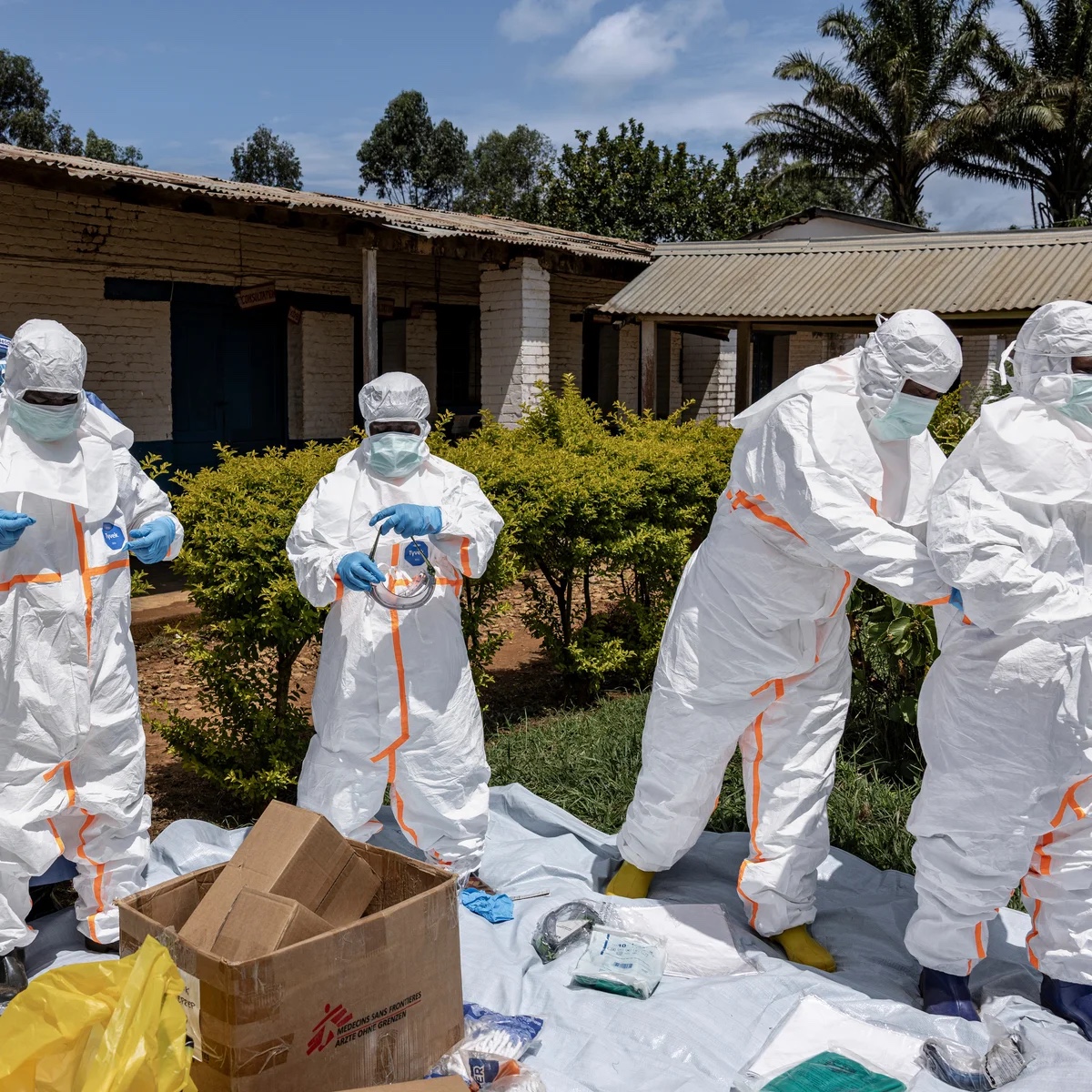
According to the UN, the resources will help humanitarian partners enhance surveillance at border crossing points and train rapid response teams and frontline responders.
The funding will also support preparedness along high-risk refugee and travel routes linked to the Kakuma refugee complex in north-western Kenya, where strengthened monitoring and emergency response capacity are part of the wider prevention efforts.
Other planned interventions include the provision of emergency health supplies and infection prevention kits, alongside public information campaigns to educate communities on Ebola prevention and early detection.
The allocation comes as health authorities continue to monitor contacts linked to Kenya’s outbreak of Bundibugyo virus disease, a type of Ebola disease first confirmed in the country in October.
As of October 20, Kenya had reported nine confirmed cases, including one death. However, the death toll subsequently rose to two after a 65-year-old woman, who was the third confirmed case and a close relative of the first patient, died on October 23.
All nine confirmed cases have been linked to the initial imported case, with health authorities reporting no evidence of transmission beyond the connected group.
The first patient, a Kenyan man who had been living in the Democratic Republic of the Congo (DRC), travelled to Kenya through Uganda and arrived in Nairobi on October 3. He died on October 5 after developing symptoms and receiving medical care.
Contact tracing has remained central to the response, with health teams monitoring people who may have been exposed to the virus.
By October 26, 20 contacts had completed the mandatory 21-day monitoring period and were released from quarantine after remaining symptom-free. A further 98 contacts remained under monitoring, according to the World Health Organization (WHO).
The UN funding is intended to reinforce preparedness measures as Kenya continues surveillance, contact tracing and infection prevention activities.
The emphasis on border monitoring and high-risk travel routes also reflects the importance of detecting suspected infections early and coordinating responses across communities and points of entry.
The government and humanitarian partners continue to rely on surveillance, rapid detection, infection prevention and public awareness to contain the outbreak and prevent further spread.