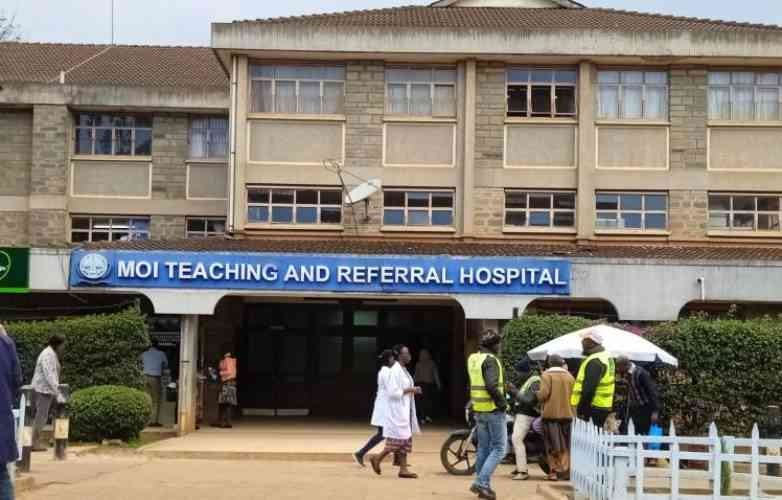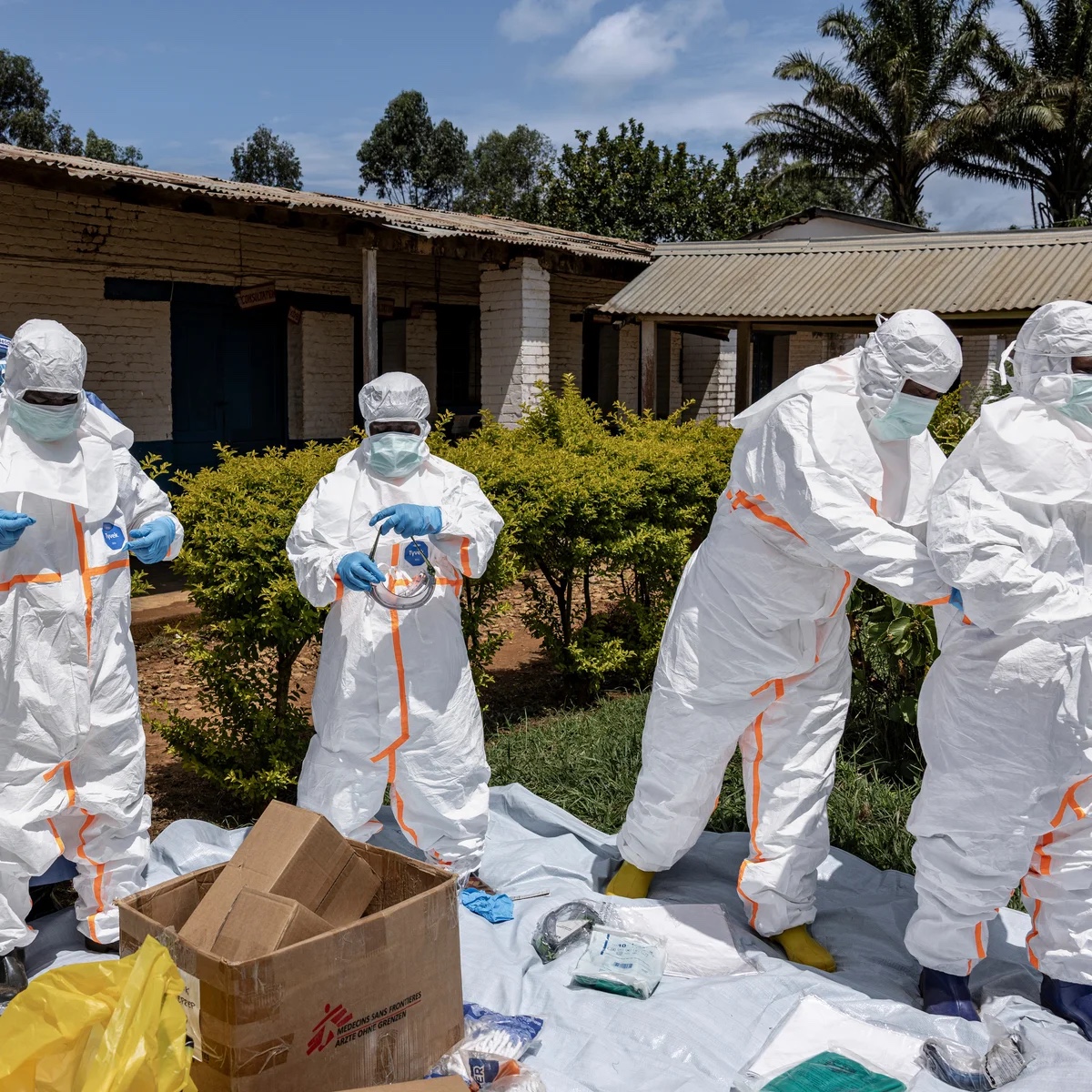
Kenya has recorded progress in its fight against the Ebola outbreak, with two of the seven patients currently in isolation testing negative and no new infections reported for three consecutive days.
Ministry of Health Director General Dr Patrick Amoth said the two patients had returned negative results in their initial tests but would undergo a second test after 72 hours to confirm their status.
The remaining five patients in isolation are reported to be stable as health authorities continue monitoring the situation and implementing containment measures.
Kenya has so far confirmed nine Ebola cases, all linked to a single cluster. Two people have died, representing a case fatality rate of 22.2 per cent.
According to the Ministry of Health, the outbreak can be traced to a Kenyan man who travelled from the Democratic Republic of Congo (DRC) through Uganda before developing symptoms and later dying on October 5.
Eight additional infections were subsequently recorded, involving four members of his family and four healthcare workers who attended to him before Ebola was suspected.
Among the fatalities was a 65-year-old relative of the initial patient, who died on October 23.
Dr Amoth said investigations had not established any chain of transmission beyond the contacts already identified and placed under surveillance, with no evidence of community transmission reported so far.
The Ministry of Health has also completed contact tracing for all 135 people linked to the confirmed cases, including nine individuals identified outside Kenya. The respective countries were notified in accordance with the International Health Regulations to facilitate cross-border surveillance and response measures.
Authorities have since begun releasing individuals who have completed the mandatory 21-day monitoring period without developing symptoms.
On Monday, October 26, the first 20 contacts completed their observation period and were discharged from monitoring after remaining symptom-free.
A further 98 individuals remain in quarantine and are being closely monitored by health officials. The remaining contacts are expected to complete their monitoring period and be released progressively from November 3, provided they do not develop symptoms.
Dr Amoth said health teams had maintained daily follow-ups with all contacts within the country to ensure that any emerging symptoms would be identified and addressed promptly.
"All our 135 contacts were traced, and those in Kenya have been followed up daily," said Dr Amoth.
The Ministry has maintained surveillance and response operations as it works to prevent further infections and contain the outbreak within the identified cluster.
Health authorities continue to urge vigilance as the country awaits confirmation of the two patients' second test results, while maintaining that all identified contacts remain under follow-up.
The absence of new reported infections over the three-day period, alongside the negative initial results from two patients, marks an important development in Kenya's ongoing efforts to contain the outbreak.