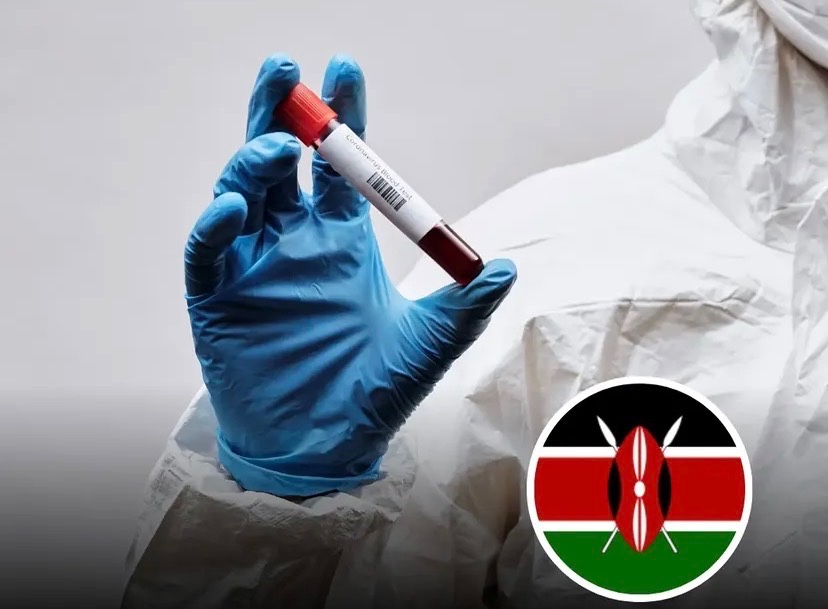
Kenya is currently facing a severe health crisis following significant cuts in USAID funding, which have led to the reported deaths of at least 24 HIV-positive sex workers. This alarming situation has sent shockwaves through the country's healthcare system, as health professionals express growing concern over the impact of reduced international aid. The cuts, implemented early last year, have severely hampered the availability of essential healthcare services, particularly for vulnerable groups such as sex workers living with HIV.
Individuals like Beatrice, who were previously in stable health, have succumbed to the lack of resources and support that were once provided by USAID-funded programs. These programs were a lifeline for many, offering crucial medical and social services that ensured their well-being and survival. The reduction in aid has not only affected the direct provision of healthcare services but has also disrupted the broader support network that these individuals depend on.
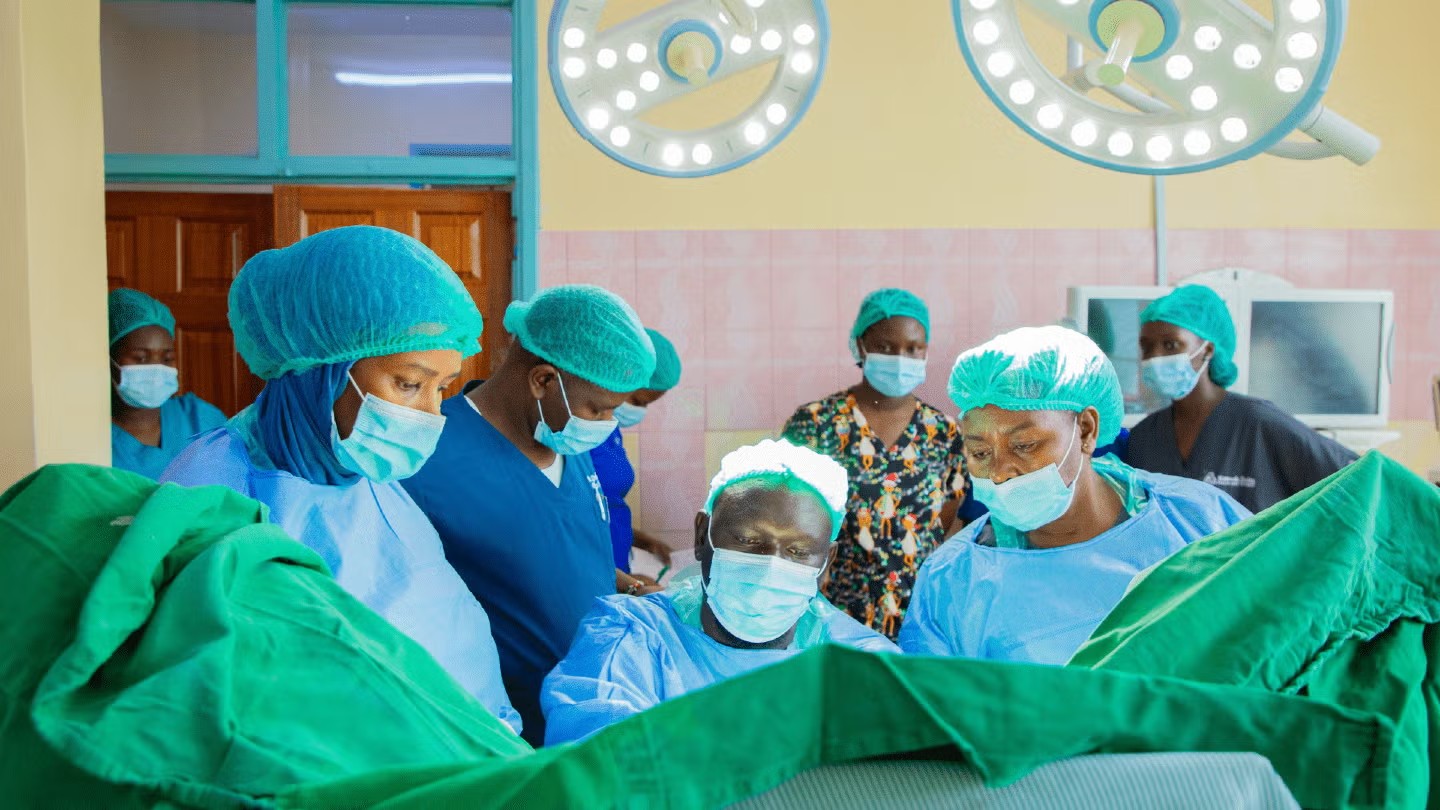
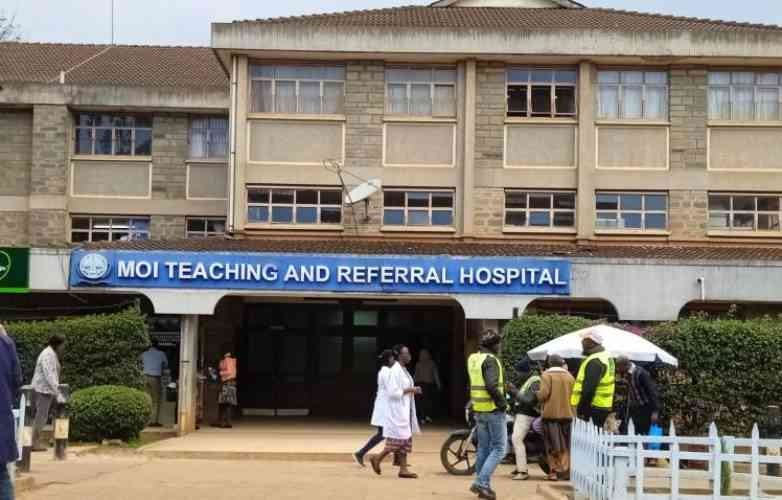
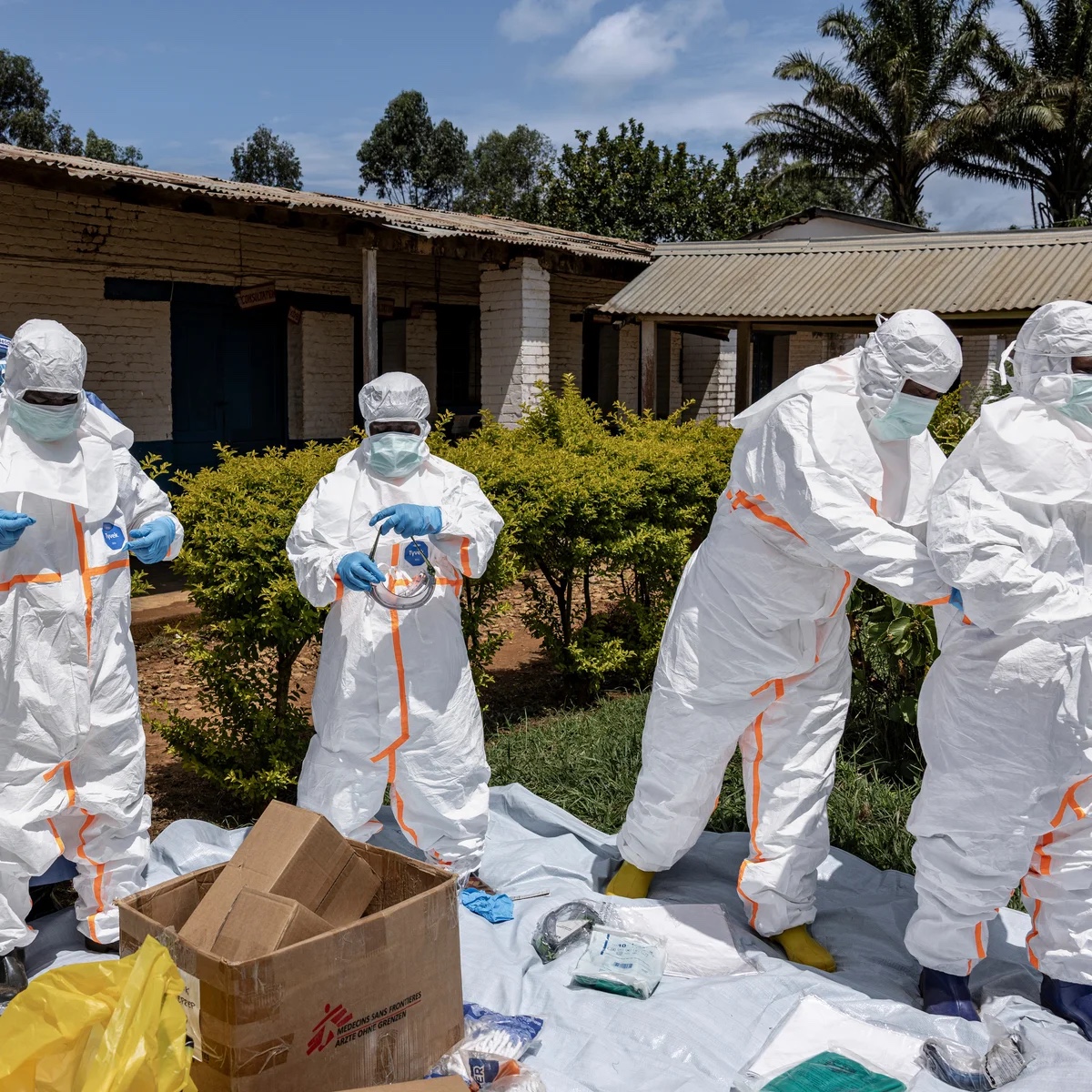
Health workers across Kenya are sounding the alarm, highlighting the urgent need for alternative funding sources to prevent further loss of life. The impact of the funding cuts is being felt nationwide, with health facilities struggling to provide adequate care due to resource constraints. This situation underscores the critical role that international aid plays in supporting Kenya's healthcare system, particularly for marginalized communities who are often left without a safety net.
The reduction in USAID funding has left a significant gap in the healthcare infrastructure, affecting not only HIV-positive individuals but also the overall capacity of health facilities to deliver services. This has placed additional pressure on an already strained system, with healthcare workers facing the daunting task of managing increased patient loads with diminished resources.
Looking ahead, health professionals are calling for immediate intervention to address the funding gap and ensure that essential services can continue. The Kenyan government, along with international partners, is urged to explore sustainable solutions to mitigate the effects of the USAID cuts and safeguard the health of its citizens. There is a pressing need for coordinated efforts to secure alternative funding and implement strategies that will ensure the continuity of care for those most at risk.
The current crisis serves as a stark reminder of the interconnectedness of global health systems and the importance of sustained international support. As Kenya navigates this challenging period, the focus must remain on finding viable solutions to protect the health and well-being of its most vulnerable populations.