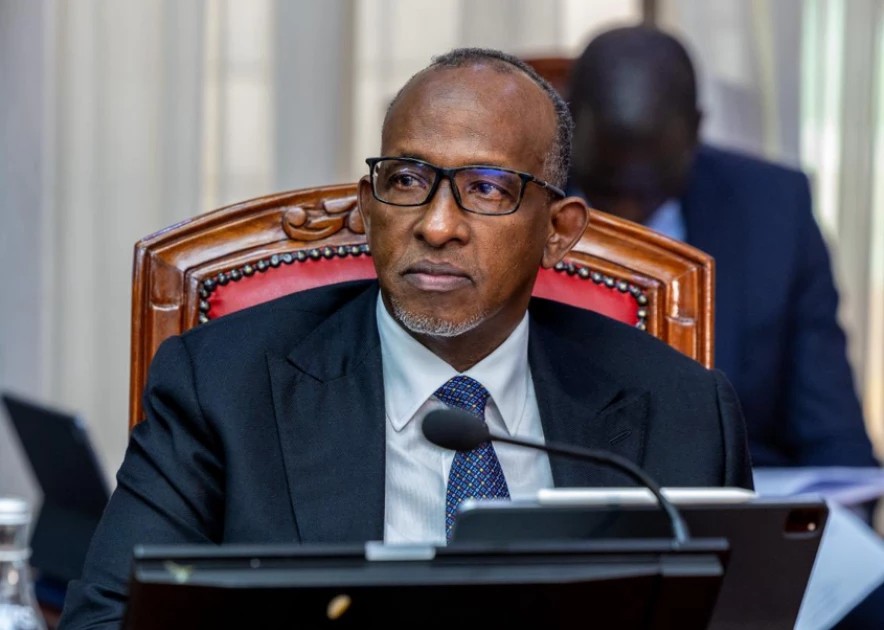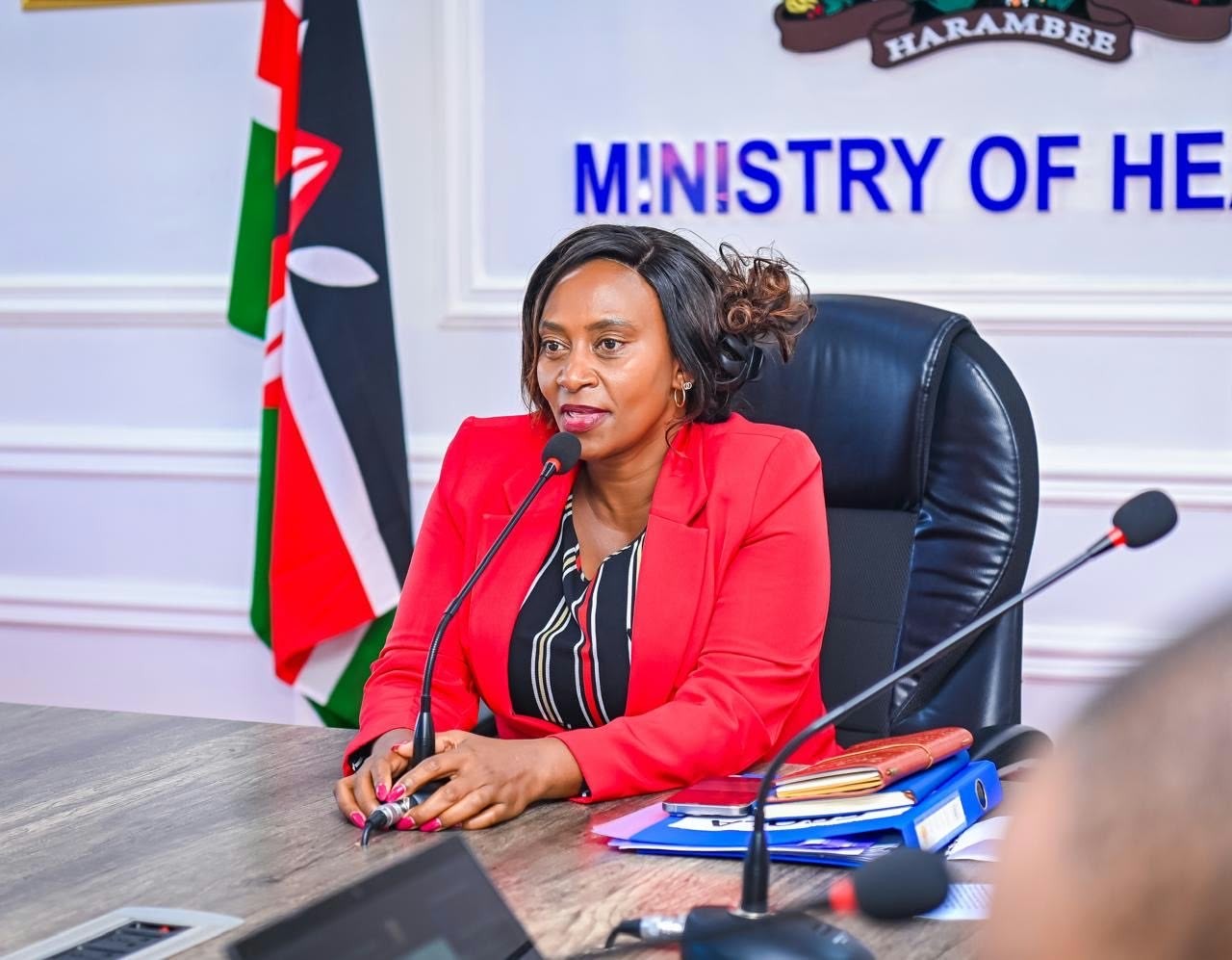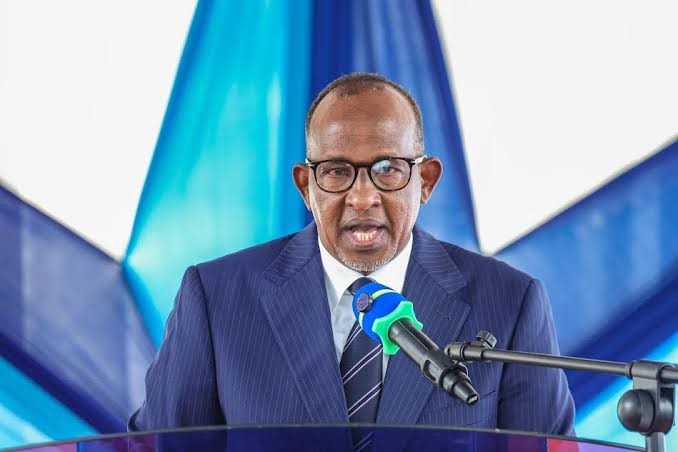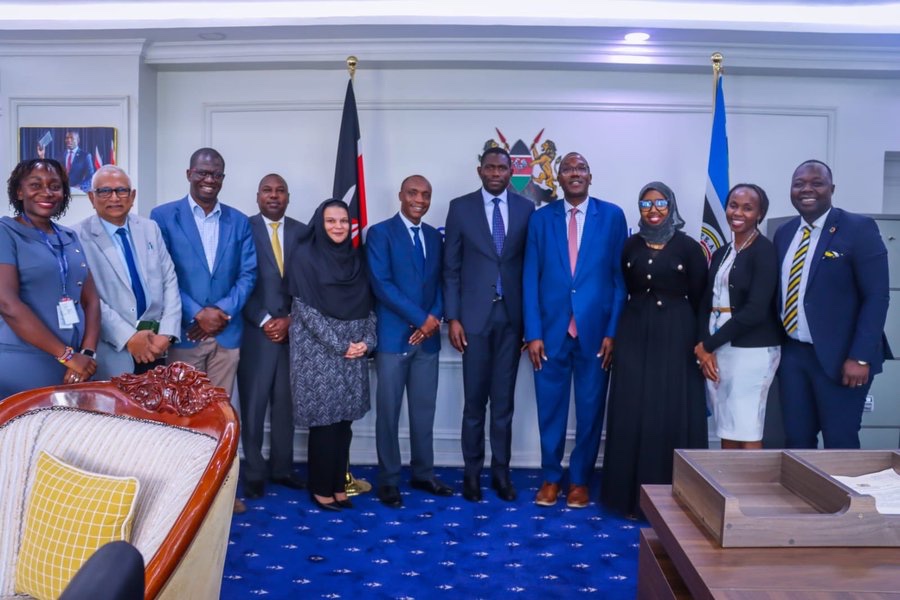
Principal Secretary for Medical Services Dr Ouma Oluga has held talks with a World Bank delegation to review ongoing health programmes and discuss priorities for strengthening Kenya’s healthcare system, including preparedness for public health emergencies.
The meeting, held on Monday, October 26, involved a delegation led by Dr Ronald Mutasa, the World Bank’s Practice Manager for Eastern and Southern Africa, according to the Ministry of Health.
The discussions covered the Health Emergency Preparedness, Response and Resilience (HEPRR) Project, which seeks to strengthen Kenya’s capacity to prepare for and respond to public health emergencies.
The ministry said the meeting also reviewed ongoing programmes and upcoming engagements, emphasising the importance of coordinated planning and effective implementation in advancing national health priorities.
Oluga reaffirmed the ministry’s commitment to working with development partners to strengthen health system resilience, improve access to quality healthcare and accelerate progress towards Universal Health Coverage (UHC).
The engagement comes as Kenya pursues World Bank-supported investments aimed at improving healthcare delivery and strengthening the country’s ability to respond to disease outbreaks and other public health threats.
One of the initiatives is the Kenya Health Emergency Preparedness, Response and Resilience (KHEPRR) Project, which has US$120 million in World Bank financing. The project aims to strengthen emergency preparedness and response systems, including disease surveillance, laboratory capacity and coordination among institutions responsible for managing health threats.
Kenya is also implementing the Building Resilient and Responsive Health Systems (BREHS) Project, which focuses on strengthening healthcare delivery and improving access to quality services.
The two projects form part of broader efforts to improve the resilience of the health system and support progress towards universal health coverage.
The consultations come as Kenya seeks to strengthen its capacity to respond to public health emergencies while improving access to quality healthcare.
Effective implementation of the ongoing programmes will be critical to translating the country’s health-sector investments into stronger emergency response systems and better service delivery.