The Democratic Republic of Congo has embarked on a critical mission to vaccinate health workers against Ebola at the epicenter of the current outbreak. This initiative, which began on September 19, 2026, is a decisive step aimed at curbing the spread of the deadly virus and ensuring the safety of those on the frontline of healthcare delivery. The vaccination drive is part of a comprehensive strategy by health authorities to contain the disease, which has raised significant health concerns both locally and internationally.
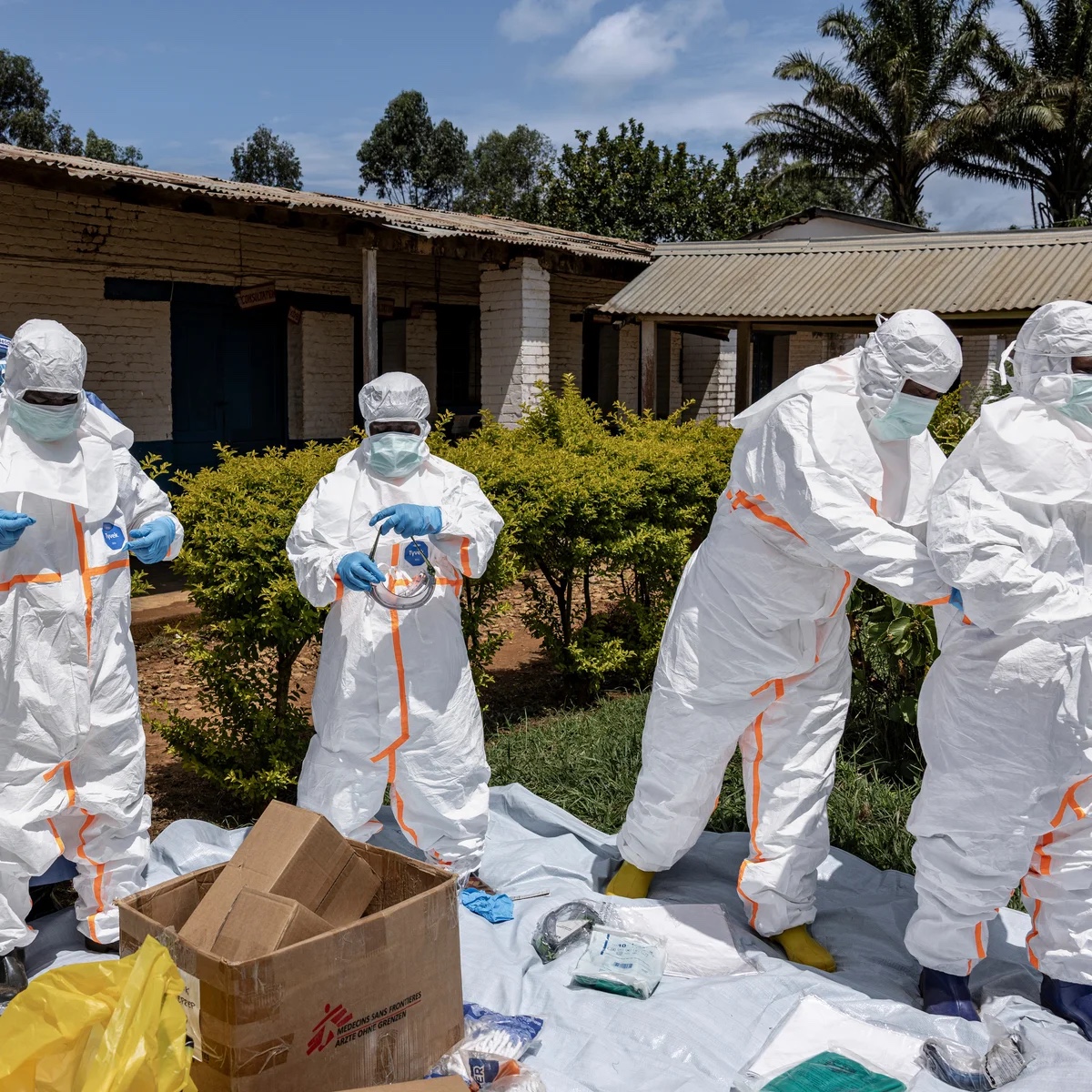
The ongoing Ebola outbreak in DR Congo has prompted swift and coordinated action from health officials, as the virus poses a severe threat to public health. Health workers, who are at the highest risk of exposure due to their close contact with patients, are the primary focus of this vaccination effort. By targeting these frontline workers, the initiative seeks to prevent further transmission of the virus and safeguard the health of medical personnel who are essential in managing the outbreak.
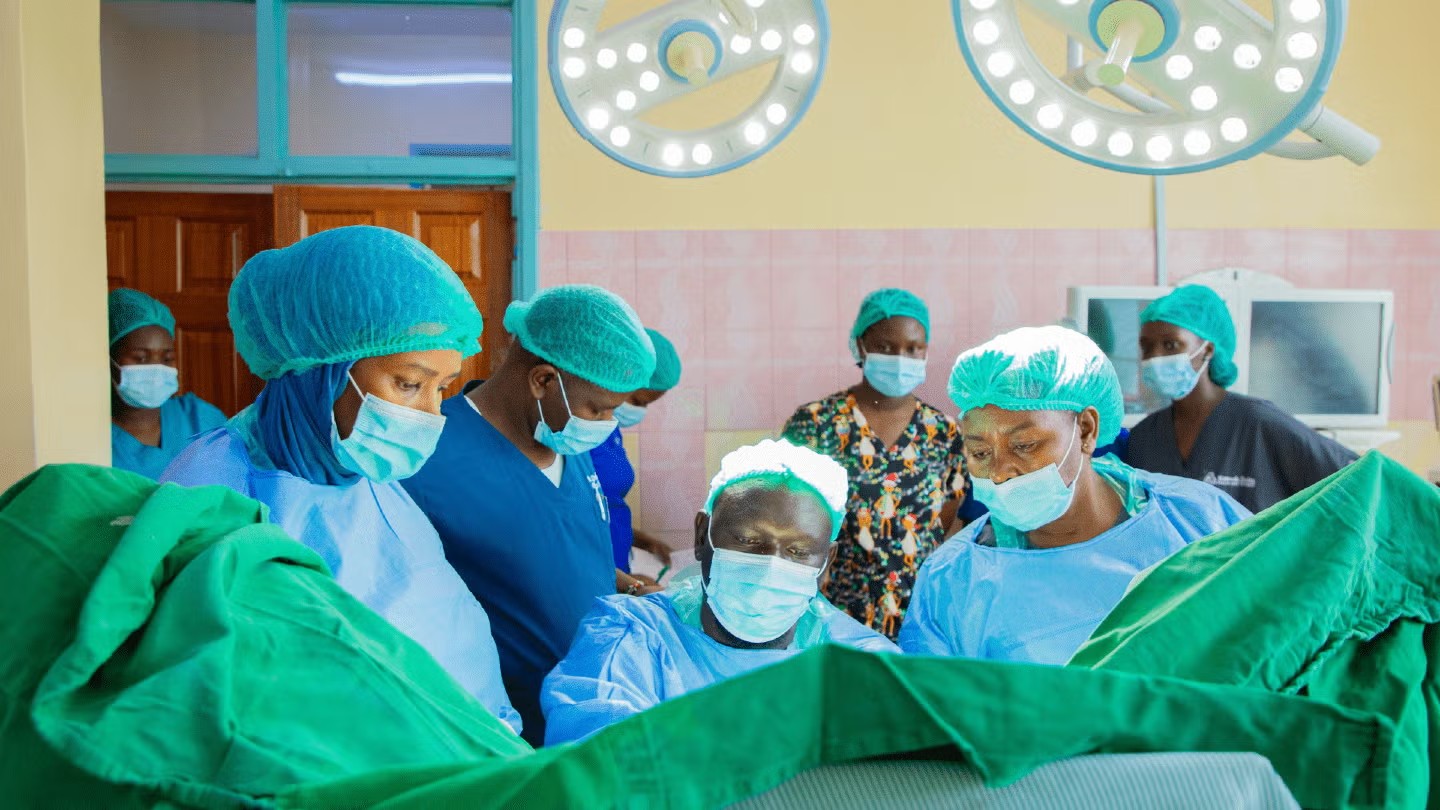
Health officials have underscored the importance of vaccinating health workers, emphasizing that their protection is a top priority. Immunizing those directly involved in patient care not only reduces the risk of the virus spreading within healthcare facilities but also helps build confidence among health workers. This assurance is crucial, as it enables them to continue their vital work safely and effectively, without the added burden of fearing for their own health.
The vaccination campaign is part of a broader, multi-faceted approach to managing the Ebola outbreak in DR Congo. Authorities are closely monitoring the situation and have indicated their readiness to expand the vaccination program if the need arises. The success of this initiative is being watched closely by the international community, as it could serve as a model for future responses to similar health crises. The outcome of these efforts holds significant implications for global health security, highlighting the importance of preparedness and rapid response in the face of infectious disease outbreaks.
As the situation evolves, health officials will continue to assess the effectiveness of the vaccinations and make necessary adjustments to the strategy. The international community remains vigilant, recognizing that the lessons learned from DR Congo's response could inform global strategies in combating Ebola and other infectious diseases in the future.