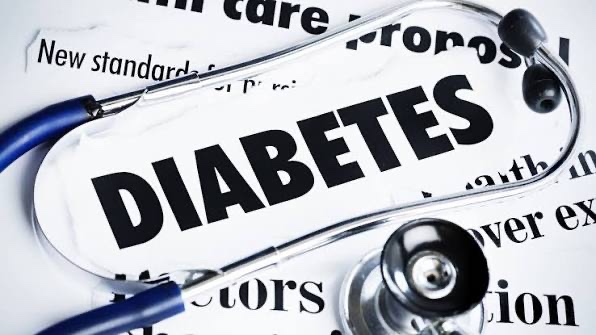
The World Health Organization (WHO) has issued its first-ever global guidelines on the diagnosis and management of Type 1 diabetes in adults, in a move aimed at improving access to treatment, insulin and essential monitoring services worldwide.
The new guidelines seek to address persistent gaps in diabetes care, particularly the affordability and availability of insulin, which remains essential for people living with the condition.
WHO notes that despite more than a century having passed since the discovery of insulin, millions of people with Type 1 diabetes continue to face challenges accessing quality healthcare and affordable medication.
Global diabetes care challenges
According to the global health agency, approximately 9.5 million people were living with Type 1 diabetes worldwide in 2025, with an estimated 500,000 new diagnoses recorded during the same year.
The guidelines provide recommendations on insulin administration, blood glucose monitoring and the continued management of the condition to help patients maintain better control of their blood sugar levels.
WHO recommends that adults living with Type 1 diabetes receive multiple daily insulin injections, with dosages adjusted according to their blood glucose readings and individual treatment needs.
The agency also emphasises the importance of regular blood glucose monitoring to help patients and healthcare providers assess how well treatment is working and make necessary adjustments.
Recommended monitoring methods include continuous glucose monitoring devices, which measure blood sugar levels through sensors placed on the skin, as well as traditional finger-prick tests.
WHO says regular monitoring is essential in managing the condition and reducing the risk of complications associated with poorly controlled blood glucose levels.
Understanding Type 1 diabetes
Type 1 diabetes is a chronic condition in which the body's immune system attacks and destroys the insulin-producing cells in the pancreas, leaving the body unable to produce sufficient insulin.
Unlike Type 2 diabetes, which is often associated with insulin resistance, Type 1 diabetes requires lifelong insulin treatment to regulate blood glucose levels.
The condition can develop at any age, although it is frequently diagnosed during childhood and adolescence. Adults diagnosed with the disease also require continuous medical attention, appropriate medication and access to monitoring equipment.
Recommendations for healthcare systems
WHO says the new recommendations are intended to guide governments, healthcare professionals and health systems in strengthening diabetes services, particularly in countries where access to insulin and diagnostic equipment remains limited.
The guidelines also support the agency's broader ambition of ensuring that everyone living with Type 1 diabetes has access to affordable insulin and blood glucose monitoring devices by 2030.
The global health agency hopes the recommendations will help countries develop policies that make essential diabetes treatment more accessible, reduce inequalities in healthcare and improve the quality of life of millions of people living with the condition.