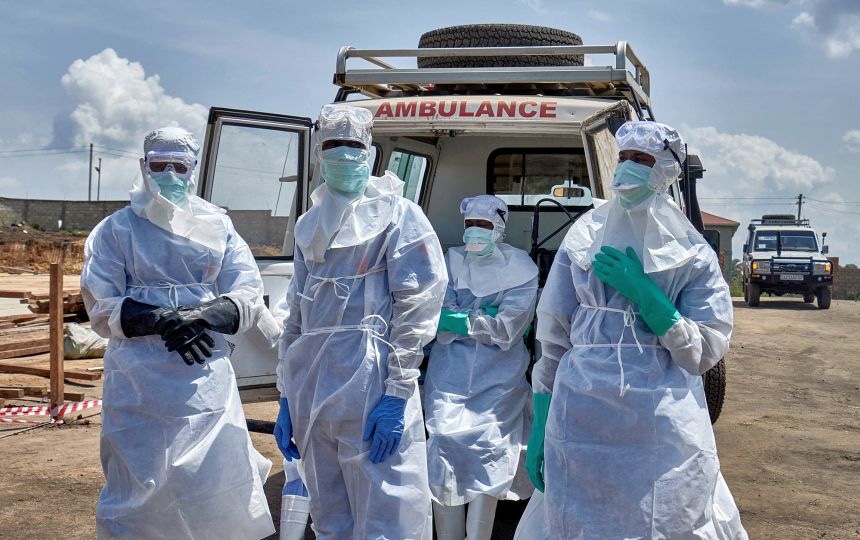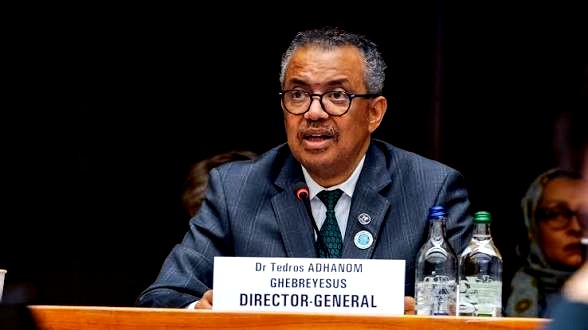
The Ebola outbreak in the Democratic Republic of Congo (DRC) continues to spread six months after it was declared, with more than 11,000 cases and 5,400 deaths reported, according to the World Health Organization (WHO).
In an update released on Sunday, November 15, 2026, WHO said the outbreak, caused by the Bundibugyo virus, had expanded to 67 health zones across eight provinces, with between 400 and 500 new cases being reported every week.
Children remain among the most affected, accounting for more than a quarter of confirmed infections and a third of all reported deaths.
Impact on children and vulnerable groups
WHO says seven out of every ten children under the age of five who contract the virus have died, raising concerns about the impact of the outbreak on vulnerable populations.
The international health agency attributed the continued spread partly to insecurity, population displacement and humanitarian challenges, which have made it difficult for response teams to reach communities requiring urgent medical assistance.
It noted that two-thirds of confirmed Ebola deaths were occurring within communities, suggesting that many infections were being identified too late for effective intervention.
The outbreak has also raised concerns beyond the DRC, following recent imported cases in Kenya and Nigeria, highlighting the risk of cross-border transmission.
Despite the challenges, WHO said significant progress had been made in containing transmission in several initial outbreak hotspots, including Mongbwalu, Nyankunde, Nizi, Rwampara and Butembo.
In Bunia, one of the major early epicentres, the number of new infections has reportedly fallen by half, while treatment centres have recorded lower occupancy rates.
Diagnostic capacity has also expanded from two laboratories to more than two dozen, while nearly 2,000 treatment beds are now available across 104 treatment and transit centres.
Progress in treatment and recovery
Approximately 3,000 people have recovered from the disease, with a quarter of them enrolled in survivor support programmes.
The response has also seen more than 17,000 community health workers and 46,000 community volunteers trained and equipped to support prevention, surveillance and community engagement activities.
However, insecurity continues to undermine these gains, with attacks on health facilities and humanitarian teams disrupting operations.
WHO reported that a recent armed attack in Cantine-Aloya resulted in the deaths of 66 civilians, including three health workers, while three health facilities were looted.
Challenges from insecurity and violence
More than 1,000 contacts were subsequently lost to follow-up, while three confirmed Ebola patients remained unaccounted for. Another attack on the town was reported on November 11.
The agency said more than 80 attacks on healthcare had been recorded since the outbreak was declared, calling for an immediate halt to hostilities to protect health workers and affected communities.
WHO, together with the Africa Centres for Disease Control and Prevention, the United Nations and other humanitarian partners, is coordinating efforts to contain the outbreak and strengthen preparedness in affected and neighbouring countries.
The agency has called for sustained international funding through 2027, improved security for frontline teams and greater community participation to ensure that lifesaving services reach populations in remote and conflict-affected areas.
Call for international support and action
It has also urged humanitarian partners to address wider challenges facing affected communities, including hunger, access to clean water, sanitation, maternal healthcare and psychosocial support.
WHO says reaching communities that remain beyond the effective reach of the response will be critical to interrupting transmission and ultimately bringing the outbreak to an end.