The United States has lost its measles elimination status, reversing a major public health achievement secured in 2000, after health authorities determined that the virus has continued circulating within the country for more than 12 consecutive months.
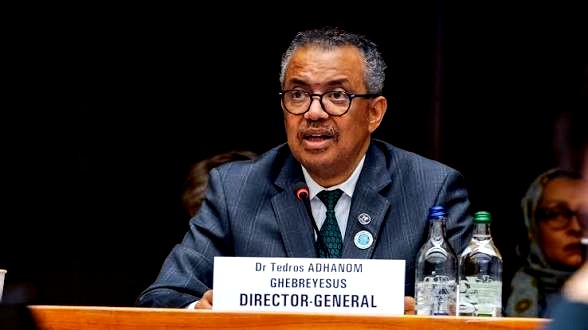
The Pan American Health Organization (PAHO), a regional agency of the World Health Organization, announced the decision on Tuesday following an assessment by an independent commission of public health experts.
The commission concluded that sustained measles transmission had resumed in the United States, meaning the country can no longer be considered to have eliminated the disease. Measles is now classified as endemic in the country.
PAHO Director Dr. Jarbas Barbosa said losing the elimination status had consequences beyond the withdrawal of an international public health designation, warning that continued transmission exposed families and communities to a preventable disease that can cause serious complications, hospitalisation and death.
Impact of losing elimination status
The development comes amid a significant resurgence of measles infections across the United States, with more than 5,400 cases recorded so far this year, more than double the total reported last year and the highest annual figure since 1991.
At least 10 people have died from the disease, according to state health departments.
President of the Robert Wood Johnson Foundation Dr. Richard Besser expressed concern over the development, saying families were once again being forced to worry about children contracting a preventable infection and suffering severe complications.
The commission, comprising eight public health experts, spent four days reviewing evidence of measles transmission between January 2025 and January 2026.
Its assessment included genetic analysis of locally acquired infections to establish whether outbreaks reported across different states were connected.
Experts also examined vaccination coverage, disease surveillance systems and the availability of resources and strategies to contain outbreaks.
Factors contributing to resurgence
The United States is not the only country affected by the decision. PAHO also determined that Mexico and Bolivia had lost their measles elimination status following evidence of sustained transmission.
Health authorities have linked the resurgence partly to declining vaccination rates. Data from the 2025-2026 school year shows that 92 per cent of American kindergarten children had received the measles vaccine, down from 95 per cent during the 2019-2020 school year.
The 95 per cent coverage level is considered necessary to maintain community protection and prevent outbreaks.
An NBC News investigation further found that approximately 75 per cent of counties and jurisdictions with available measles vaccination data recorded coverage below the 95 per cent threshold.
Understanding measles transmission
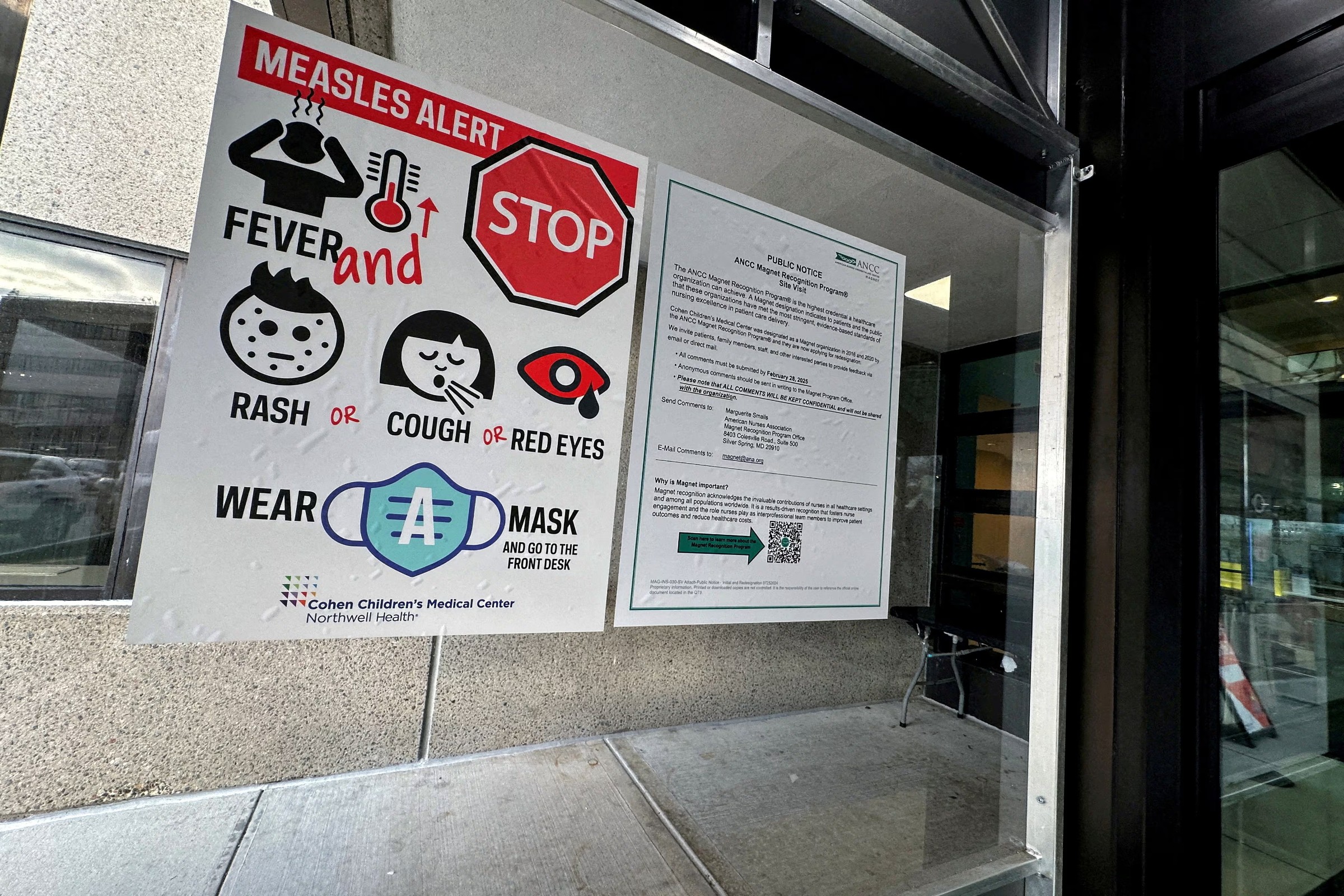
Measles is a highly contagious viral disease that spreads through the air when an infected person coughs or sneezes. It can cause fever, cough, a runny nose, red eyes and a characteristic skin rash, with severe cases leading to pneumonia, brain inflammation and death.
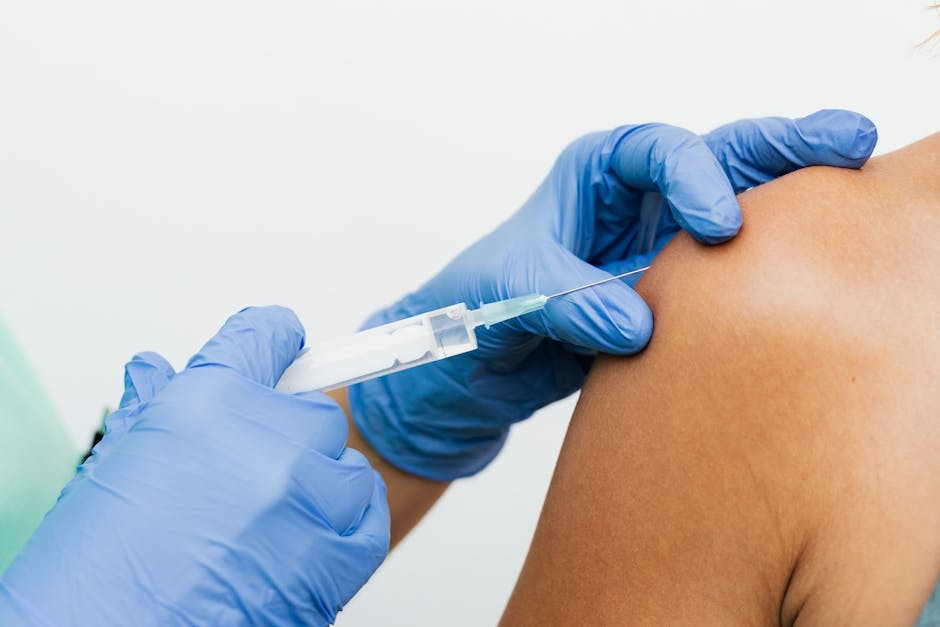
The MMR vaccine, which protects against measles, mumps and rubella, remains the primary tool for preventing infection and limiting outbreaks.
The loss of elimination status highlights the challenges facing public health authorities as they seek to restore vaccination coverage and contain the spread of vaccine-preventable diseases.