A four-year-old boy who lost his hand in an accident and a painter who lost both arms have undergone pioneering nerve-reconstruction surgeries at Kenyatta National Hospital (KNH), marking a significant milestone in specialised medical care in Kenya.
The operations, performed on October 29 and 30, 2026, placed the hospital in the global spotlight, with the four-year-old identified as the youngest known recipient of Targeted Sensory Reinnervation (TSR) and the second patient becoming the third person worldwide to undergo its transhumeral variant.
The procedures offer new possibilities for people living with limb loss by potentially enabling them to experience sensations such as pressure, vibration, heat and cold through appropriately integrated prosthetic limbs.
The first patient, identified as Jeremy, from Kirinyaga County, lost his left hand in a chaff-cutter accident while playing with another child. An attempt to reattach the hand was unsuccessful, resulting in amputation before doctors identified him as a suitable candidate for the specialised surgery.
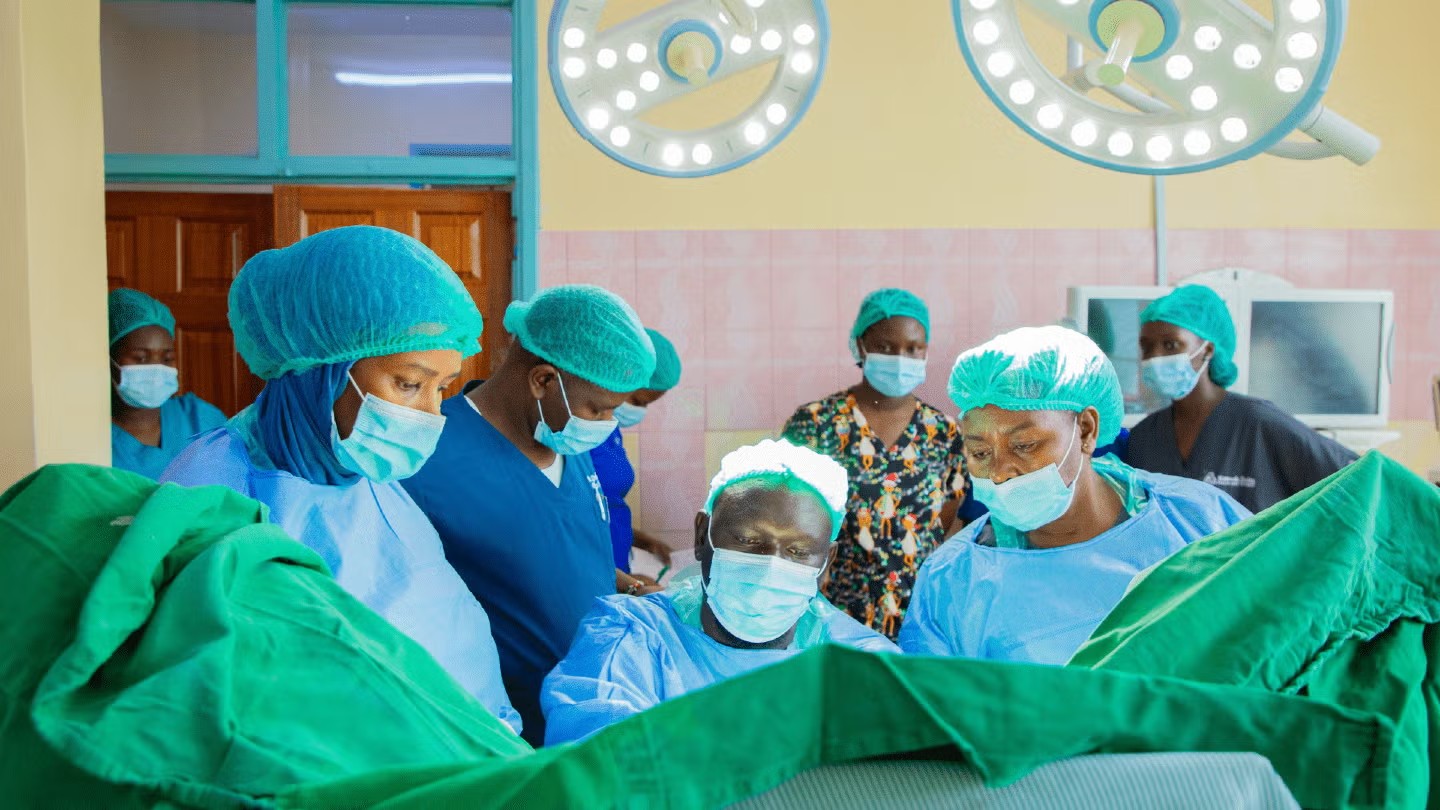
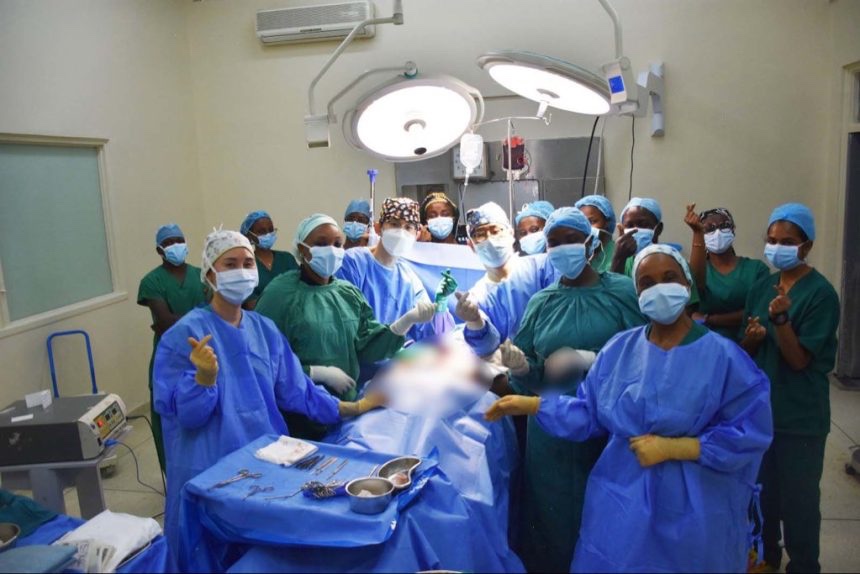
His operation lasted five and a half hours and was performed on October 29 by Italian Consultant Plastic and Reconstructive Surgeon Professor Alexander Gardetto, assisted by KNH specialists led by Dr Christine Nyabuto. The procedure was overseen by Dr Benjamin Wabwire, Head of Specialised Surgery.
The second patient, Charles Mogire, a 43-year-old painter from Ngong’, underwent the transhumeral procedure after losing both arms in a severe electrical accident in November 2025.
Mogire lost his left arm at the shoulder and his dominant right arm above the elbow. Following emergency treatment, skin grafting and subsequent care at KNH, he underwent the five-hour operation on October 30.
Professor Gardetto performed the surgery alongside Dr Nyabuto, Dr Mercy Kamadi and Dr Lenah Kerubo under the supervision of Professor Ferdinand Nang’ole.
KNH said the operation was shorter than the first transhumeral TSR procedure performed globally, which lasted slightly more than seven hours.
TSR involves redirecting sensory nerves to provide a pathway through which patients may eventually perceive sensations using appropriately integrated prosthetic limbs. The transhumeral variant applies the technique to patients with above-elbow amputations.
Beyond the potential restoration of sensation, the procedure may also help manage painful neuromas, which develop when nerves grow abnormally after amputation, and phantom limb sensations that cause people to experience pain, tingling or movement in limbs that are no longer present.
Both patients have since been discharged and are recuperating at home, with continued clinical monitoring and rehabilitation under the supervision of KNH and University of Nairobi specialist Professor Ferdinand Nang’ole.
The operations were fully covered by the Social Health Authority (SHA), enabling the patients to receive the specialised interventions without incurring out-of-pocket expenses.
KNH Director of Clinical Services Dr Joel Lessan attributed the achievement to multidisciplinary teamwork, international collaboration and investment in medical innovation.
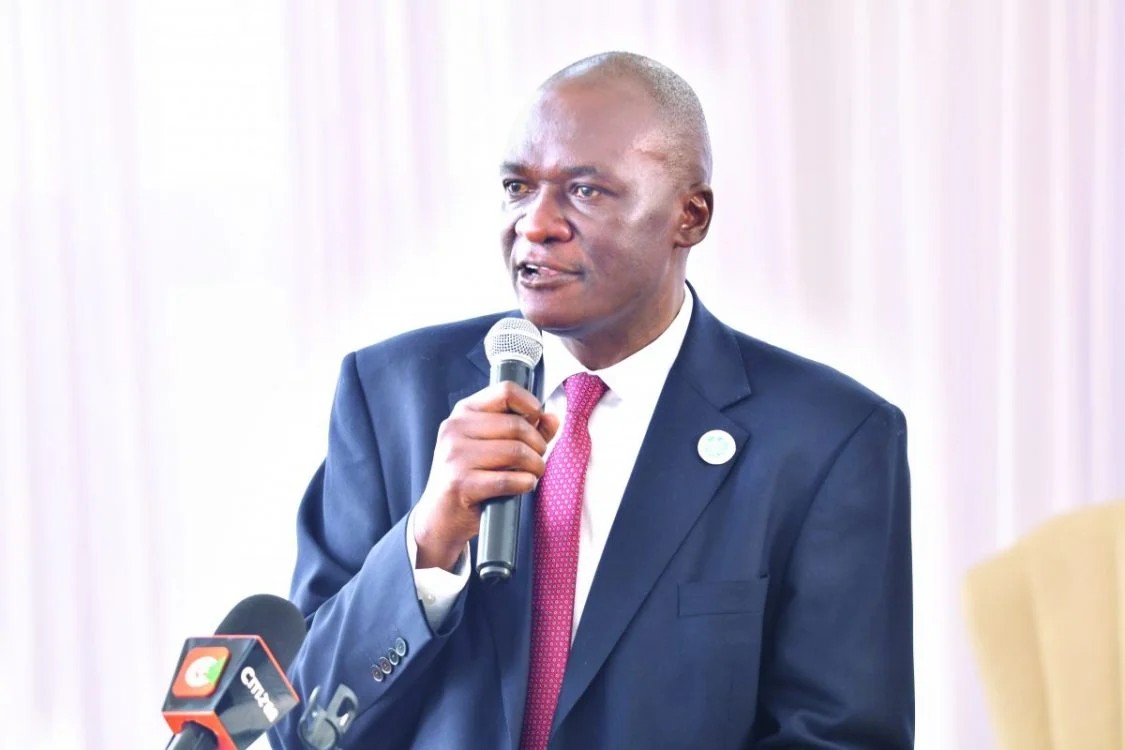
The hospital’s Chief Executive Officer, Dr Richard Lesiyampe, said the procedures demonstrated that complex and highly specialised treatments could be undertaken locally through investment in specialist skills, infrastructure, technology and research.
The initiative is in its second year at KNH, with Professor Gardetto providing mentorship and facilitating knowledge transfer to strengthen the expertise of local medical teams.
For Mogire, the operation represents an opportunity to regain greater independence despite the loss of both arms. He remains hopeful that, with appropriate prosthetic support, he will regain sensation and eventually return to painting.
Jeremy’s mother, Mercy Muthoni, also expressed gratitude to the hospital for the specialised care provided to her son.