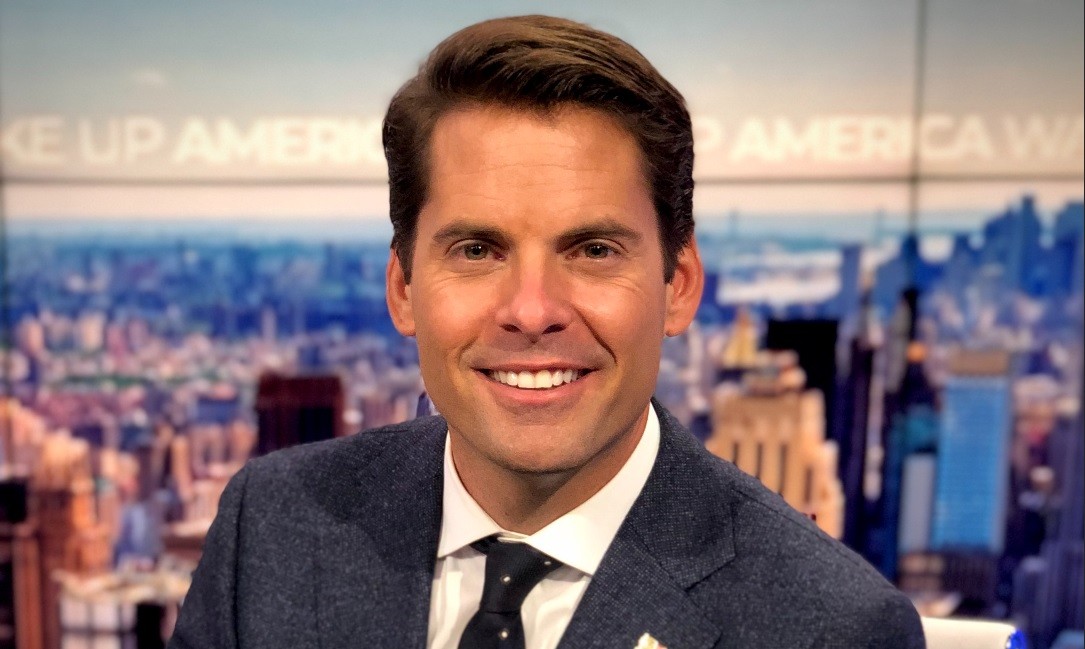
US television host Rob Finnerty has apologised to Nairobi after saying New York City was starting to look “more like Nairobi” during a Newsmax immigration segment.
The comparison drew sharp criticism from Kenyans online, including calls for him to apologise on air.
In a post on X on October 13, Finnerty wrote: “I want to offer an apology to the people of Nairobi, Kenya. The passion you have your city and homeland is amazing… We all make mistakes. I misspoke, and I am sorry to anyone I have offended.”
In the broadcast, Finnerty claimed that “Joe Biden let in millions and millions of people from third world countries,” then said migrants moving to “blue sanctuary cities” made them look “more like Nairobi than New York City.”
The segment showed people identifying themselves as being from Guatemala, Bangladesh, Burkina Faso, Senegal, Mexico and Guinea; none said they were from Kenya or Nairobi.
Finnerty then invoked New York’s mayor, describing him as a socialist and noting that he was born in Uganda, hence saying, "Why not make New York City look more like Uganda? And it does."
The apology did not satisfy every critic. X user @Gitz__ said it would not be accepted unless Finnerty apologised on live television, while @edgarwabwire_ demanded a 20-minute on-air apology within 24 hours. @mbiti_mwondi joked that Finnerty should livestream an apology on Aluta after singing Kenya’s national anthem.
Other reactions mixed criticism with humour. @kibeandy joked that apologising was a “big mistake,” adding that people should never apologise on X, “especially to KOT” —a common shorthand for Kenyans on Twitter. @Gitz__ suggested the apology should end with Finnerty saying “Wantam,” a political slogan. @EricLatiff responded: “Jamaa ametii,” or “The guy has given in.”
A longer post from @lynn_ngugi1 argued Nairobi had been needlessly pulled into a US immigration debate and called the comparison ignorant. The account questioned why Nairobi was used as shorthand for urban decline when New York had problems of its own and said the casual remark reflected a deeper stereotype about Africa.
That criticism echoed wider online objections: people featured in the segment named other countries, yet Nairobi was singled out as the negative comparison.