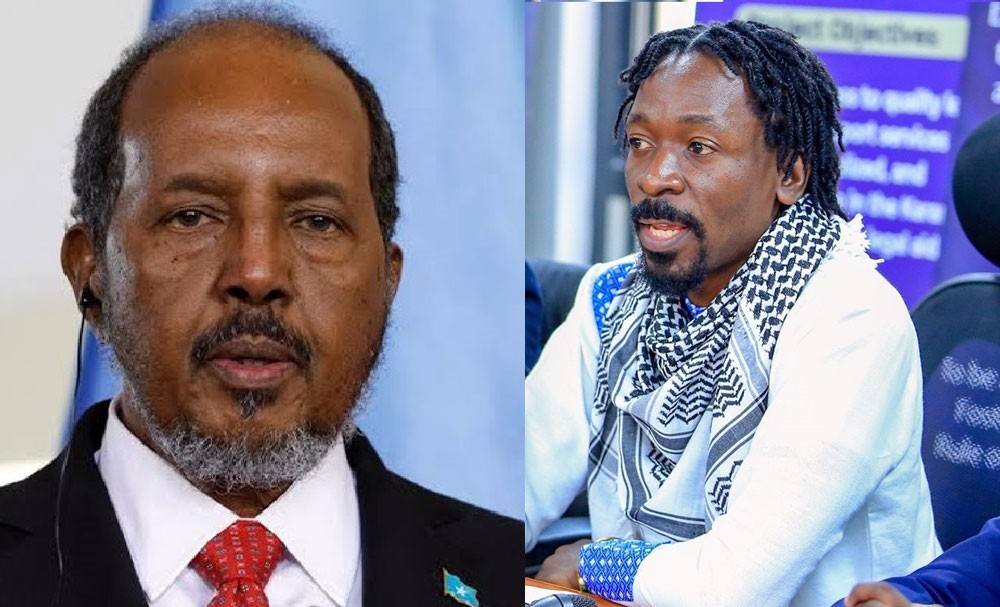
The Uganda Law Society has raised concern over an escalating constitutional crisis in Somalia, calling on President Hassan Sheikh Mohamud to respect a Supreme Court ruling on presidential term limits and safeguard judicial independence.
In a statement dated November 10, 2026, the Society warned that the political standoff could undermine Somalia's constitutional order and reverse gains made in the country's long-running efforts to restore peace, stability and democratic governance.
The lawyers' association took issue with President Mohamud's attempt to extend his stay in office beyond the constitutionally prescribed term, despite a Supreme Court ruling directing that fresh elections be held within 90 days.
According to the statement, Somalia's Supreme Court ruled on November 5, 2026, that constitutional amendments adopted in March 2026 did not extend the mandates of the incumbent President and Parliament.
The court determined that Mohamud's four-year presidential term expired on May 15, 2026, while the terms of both Houses of Parliament ended on April 14, 2026, directing that elections be conducted within 90 days.
The Society further accused the President of disregarding the court's authority after he dismissed Chief Justice Baashe Yusuf Ahmed on November 4 and appointed a replacement. The Supreme Court subsequently declared the dismissal unconstitutional and void.
Despite the ruling, Mohamud proceeded to swear in the new Chief Justice on November 7, raising further questions about respect for the judiciary and the rule of law.
The Uganda Law Society said the developments were particularly concerning given Uganda's historical contribution to Somalia's peace-building efforts.
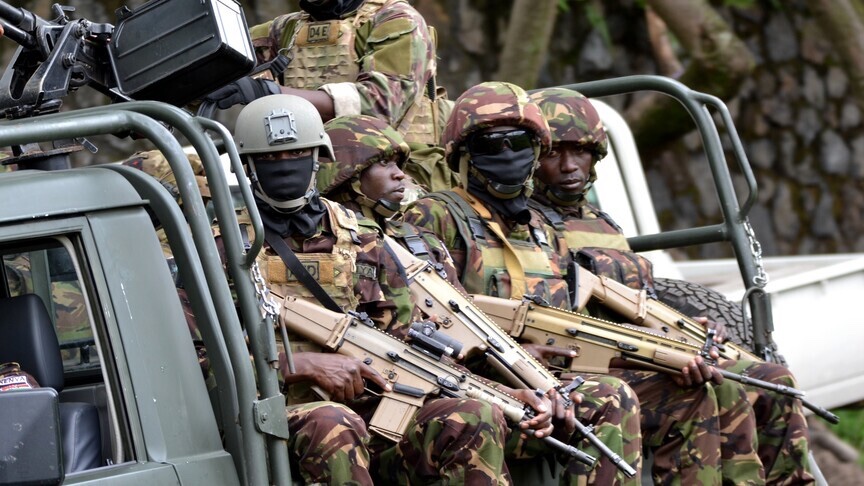
It recalled that Uganda was the first country to deploy troops under the African Union Mission in Somalia (AMISOM) in March 2007, committing soldiers to a difficult mission aimed at helping the country restore peace, security and stability.
The association said the sacrifices made by Ugandan troops were intended to support the rebuilding of Somalia around democratic governance, dignity and respect for the rule of law, warning that these gains should not be undermined by political interference in independent institutions.
Somalia has experienced decades of instability since the collapse of its central government in 1991, which triggered a prolonged civil war and weakened state institutions.
Although the country adopted a provisional constitution in 2012 and established a federal system of government, disagreements over power-sharing between the national government and regional administrations have continued to fuel political tensions.
Disputes over constitutional amendments adopted in March 2024, which introduced changes to presidential and parliamentary terms and proposed a transition towards direct elections, have further complicated the country's political landscape.
Opposition leaders and some federal member states have questioned the process and its implications for the country's electoral arrangements.
The Uganda Law Society urged the Somali government to uphold its obligations under the East African Community Treaty, particularly Articles 6(d) and 7(2), which require member states to observe democracy, accountability, good governance, the rule of law and human rights.
It also called on the East African Community, African Union and international diplomatic community to urgently engage Somalia's leadership and demand compliance with constitutional and international legal obligations.
The association concluded by urging Somali authorities to respect the Supreme Court's decisions, uphold constitutional term limits and protect judicial independence, warning that the sacrifices made towards securing peace in Somalia must not be wasted.