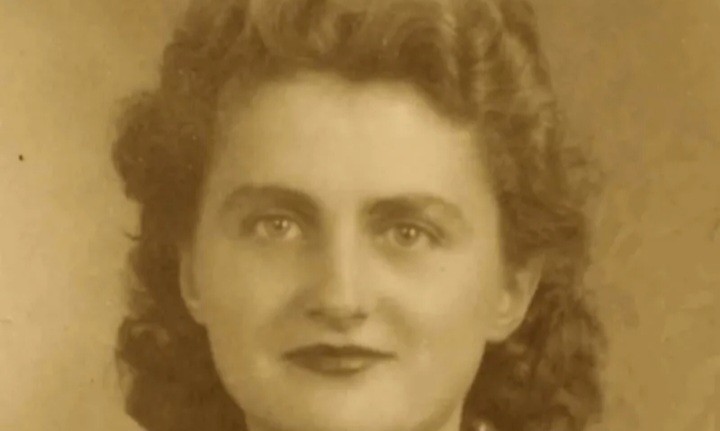
One of France’s remaining heroes of the Second World War, Solange Alexandre, has died at the age of 104, leaving behind a legacy of courage and resistance against the Nazi occupation.
Alexandre was among the few women who not only took part in the French Resistance but also established and commanded her own group of anti-German fighters alongside her future husband.
Her death was announced after she passed away at a nursing home in Le Mans, western France, prompting tributes from political leaders, including President Emmanuel Macron.
In a message shared on social media, Macron praised her contribution to France’s freedom, saying the country would remain indebted to her courage and sacrifice.
Born Solange Dubuisson in 1922 in the Sarthe department of western France, Alexandre grew up in a family whose experiences during the First World War shaped her strong sense of patriotism.
Her mother had lost her first husband in the war, while her father was wounded in 1917. Alexandre later recalled that the values of homeland and honour were deeply rooted in her upbringing.
Her decision to join the fight against Nazi Germany was influenced by an appeal made by General Charles de Gaulle from London in June 1940, calling on the French people to continue resisting the German occupation.
Although she had never heard of de Gaulle before listening to his radio address, the message convinced her that she had a role to play in the struggle.
In 1941, Alexandre began working as a courier for the French Resistance, helping to pass information and support underground activities against the occupying forces.
Her involvement grew over the following years, and in 1944 she established the Pas-de-Boeuf resistance network near Ruillé-sur-Loir.
The group had approximately 30 men under her command and carried out sabotage operations targeting German interests. It also provided shelter to Allied airmen who needed protection while operating behind enemy lines.
Following the Allied landings in Normandy on D-Day in June 1944, Alexandre and her fighters took part in the struggle against German forces as the liberation of France gathered momentum.
Her role was particularly notable at a time when women were less commonly recognised for commanding armed resistance groups.
Alexandre was also known for her modesty about her wartime contribution. She twice declined France’s highest national honour, the Légion d'Honneur, before eventually accepting it in 2024.
Her death marks the passing of another member of the generation that experienced the occupation and took part in the resistance that helped restore France’s freedom.
Through her memoirs and the tributes following her death, Alexandre’s story leaves a record of a woman who viewed her involvement in the Resistance not as a pursuit of recognition, but as a duty to her country.