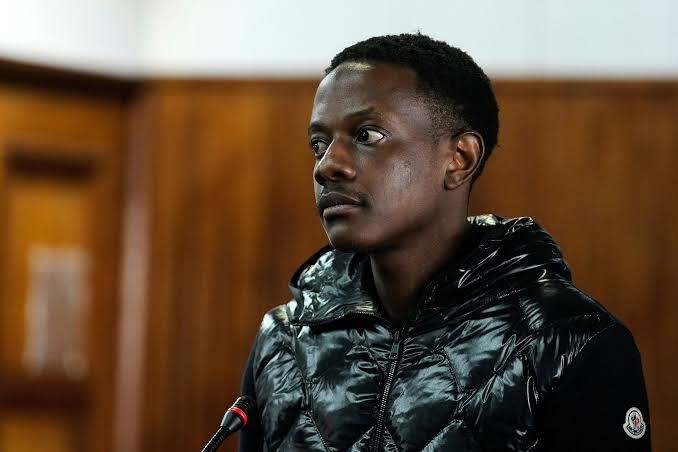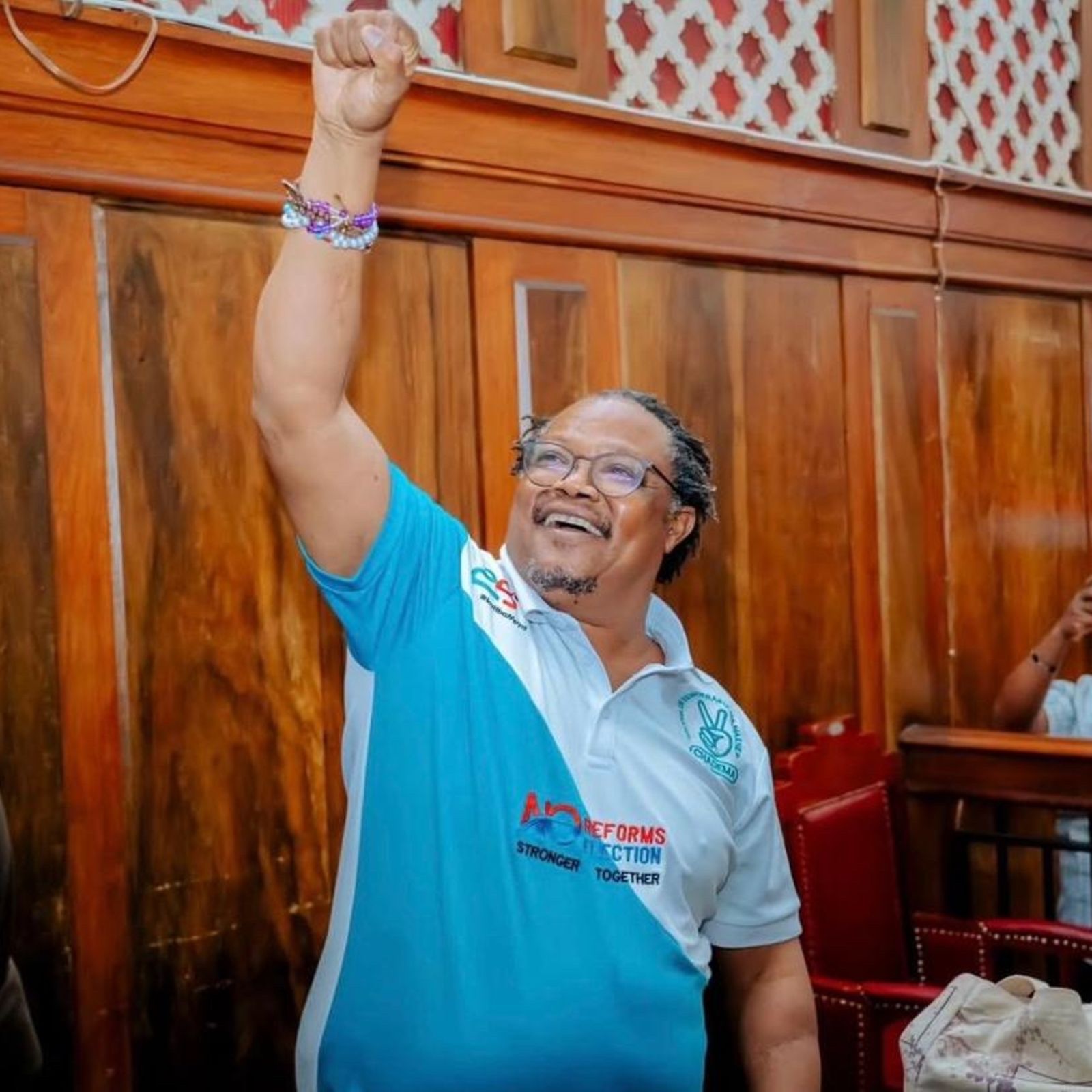
Tanzanian opposition leader Tundu Lissu has arrived at the High Court in Dar es Salaam ahead of a highly anticipated judgment in his long-running treason trial, a case that has attracted widespread attention both locally and internationally.
Lissu, who serves as the national chairman of the opposition Chama cha Demokrasia na Maendeleo (CHADEMA) party, has been in custody for nearly 19 months following his arrest on April 9, 2025, in the lead-up to Tanzania’s October 2025 general election.
The opposition leader is facing a treason charge linked to remarks he allegedly made during a press conference on April 3, 2025. During the event, Lissu reportedly called for the disruption of the October elections as part of a push for electoral reforms in the country.
Prosecutors have argued that his statements were intended to intimidate the government and incite public rebellion, actions they contend amounted to treason. The prosecution maintains that it has established its case beyond reasonable doubt through testimony and evidence presented by 17 witnesses.
However, Lissu has consistently denied the allegations, challenging the prosecution’s case and arguing that it has failed to demonstrate the essential elements required to sustain a treason charge.
He has also disputed evidence presented in court linking him to the publication of the remarks at the centre of the case, maintaining that the allegations against him are not supported by sufficient evidence.
The judgment is expected to be delivered by a three-judge panel comprising Justices Dunstan Ndunguru, James Karayemaha and Ferdinand Kiwonde, who have presided over the proceedings.
The court’s decision will mark a significant moment in the case, determining whether the opposition leader will be acquitted or found guilty of the charge. A conviction could expose Lissu to the death penalty under Tanzania’s treason laws, although prosecutors have indicated that the judges have discretion to impose a custodial sentence instead.
The case has remained a major point of concern for opposition supporters and human rights advocates, with rights organisations raising questions about political freedoms, democratic participation and the treatment of opposition leaders in Tanzania.
Lissu’s prosecution has also drawn international scrutiny, particularly over concerns surrounding the country’s political environment and the space available for dissenting voices.
The verdict is therefore expected to carry implications beyond Lissu’s personal legal fate, potentially shaping conversations about political opposition, electoral reforms and the rule of law in Tanzania.