Global technology stocks have suffered heavy losses following the US midterm elections, as investors worry that new political pressure could slow the expansion of artificial intelligence (AI) and the data centres that support it.
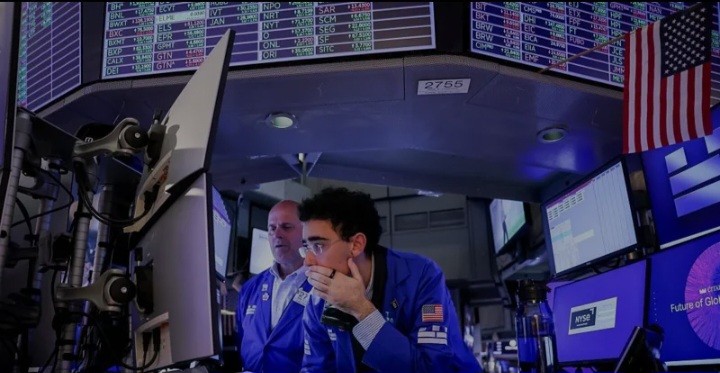
Shares in major technology companies across the United States, Europe and Asia fell sharply, wiping trillions of dollars from their combined market value. The sell-off followed Democratic victories in Tuesday’s elections, with several candidates having campaigned on plans to restrict the growth of data centres and introduce tighter oversight of AI.
The technology-heavy Nasdaq Composite closed 5.5 per cent lower on Thursday, losing an estimated $2.5 trillion in market value, according to Dow Jones data. Other major US indexes also recorded steep declines, marking their worst trading sessions since 2025.
The losses spread to Asian markets on Friday, particularly among companies involved in producing computer chips and other equipment used in AI infrastructure.
Japan’s Nikkei 225 fell by 6.3 per cent, with memory chip maker Kioxia dropping nearly 11.5 per cent and Tokyo Electron losing 5.8 per cent. In South Korea, SK Hynix shares fell by more than 8.8 per cent, while Samsung declined by about six per cent.
The sell-off pushed South Korea’s Kospi index down by more than eight per cent during morning trading, triggering a temporary trading halt designed to prevent panic selling. The index later recovered slightly but remained about five per cent lower.
Taiwan’s Taiex also fell by 4.5 per cent, recording its biggest weekly decline since 2001, according to LSEG data.
The market reaction followed Democratic gains in both the House of Representatives and Senate, giving the party control of Congress for the remainder of President Donald Trump’s term.
Several Democrats had made opposition to rapid data centre expansion part of their campaigns, arguing that the facilities require large amounts of electricity and water while raising concerns about jobs and the environment.
In Texas, governor-elect Gina Hinojosa pledged to introduce a pause on new data centre construction. Senator Bernie Sanders also called for a national moratorium, arguing that technology companies should not be allowed to expand without stronger safeguards.
The losses affected some of the world’s biggest technology firms. Nvidia shares dropped more than nine per cent, wiping over $400 billion from its market value. AMD and Micron each fell by more than 17 per cent, while Intel declined by 10.3 per cent. SanDisk recorded an even steeper fall of more than 22 per cent.
European chipmaker Infineon lost more than 8.5 per cent, while semiconductor equipment manufacturer ASML fell by 6.5 per cent.
The decline also hit Elon Musk’s businesses, with Tesla shares falling nearly 11 per cent and SpaceX dropping eight per cent. Together, the losses removed more than $300 billion from their market value.
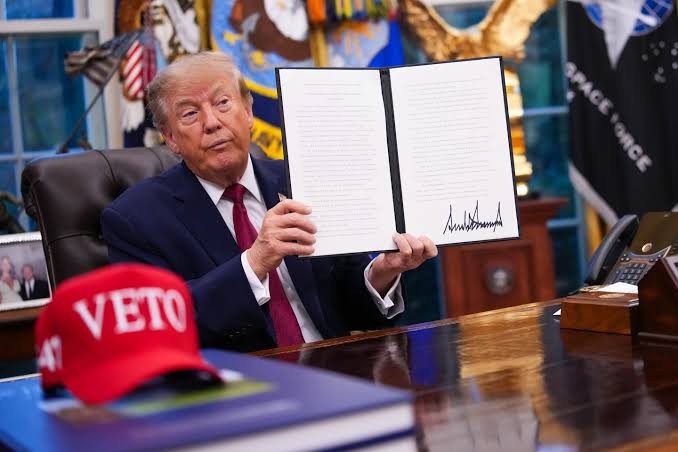
President Trump blamed the market downturn on the election results, accusing Democrats of causing what he described as one of the worst days in stock market history.
However, concerns about AI investment had already been building before the elections. Investors have questioned whether the huge sums being spent on data centres, chips and other infrastructure will generate enough returns to justify the costs.
Susannah Streeter, chief investment strategist at Wealth Club, said fears over the returns from AI investment were now combining with concerns about a possible slowdown in data centre construction.
OpenAI president and co-founder Greg Brockman said technology companies needed to engage more closely with communities where they planned to build infrastructure, rather than simply promoting the benefits online.
Meta president Dina Powell McCormick also said the industry needed to do more to explain the potential benefits of AI.