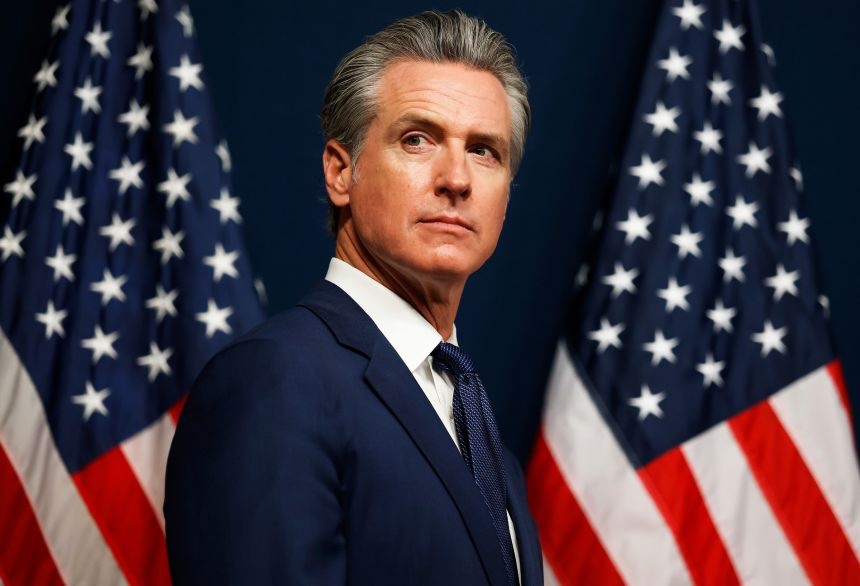
California Governor Gavin Newsom has commuted the death sentences of all 548 inmates on the state's death row, replacing their punishments with life imprisonment without the possibility of parole.
Newsom announced the decision in a letter, saying he was exercising his constitutional clemency powers to spare the inmates from execution.
"We can now let these offenders die in obscurity while we forever remember and honour the victims," Newsom said.
The governor described the move as a difficult but necessary decision, arguing that capital punishment was incompatible with California's values and undermined the state's justice system.
"After nearly 30 years in public office, I have come to understand the limits of what government can justly accomplish," he said.
"I take this action because I firmly believe that state-sanctioned killing is incompatible with California's values, undermines the foundations of our legal system and diminishes each of us."
Newsom argued that California's death penalty system had failed to deliver justice fairly, pointing to wrongful convictions and concerns over its application.
He maintained that life imprisonment without the possibility of parole was the most severe punishment the state could ethically and lawfully enforce.
The governor also acknowledged that the decision would anger some Californians, particularly those who believe perpetrators of brutal crimes deserve execution.
California has historically had the largest death row population in the United States. However, the state has not executed an inmate since 2006, with only 13 executions carried out since voters reinstated capital punishment in 1978.
Newsom had already imposed a moratorium on executions in 2019, ordering a halt to the practice during his tenure.
The latest decision is largely symbolic given the longstanding suspension of executions, although legal experts say it could save the state millions of dollars annually in litigation and other costs associated with death penalty cases.
The commutations come amid growing debate over capital punishment in the United States, following a high-profile botched execution in Tennessee in late September and an increase in executions across the country.
The decision has drawn support from civil liberties groups, with American Civil Liberties Union Executive Director Anthony D. Romero praising Newsom for what he described as a significant step towards ending an unjust punishment.
"These commutations reflect what justice demands: an end to a racist, error-prone, and inhumane punishment that has burdened California for far too long," Romero said.
However, Los Angeles County District Attorney Nathan Hochman argued that the governor's decision did not abolish the death penalty, noting that only California voters or the state legislature have the authority to eliminate it.
He pointed out that voters had rejected two previous ballot initiatives seeking to abolish capital punishment.
Newsom's announcement also comes as speculation grows over his possible ambitions to run for the US presidency in 2028. The Democratic governor is serving his final months in office, having reached the constitutional limit on gubernatorial terms.
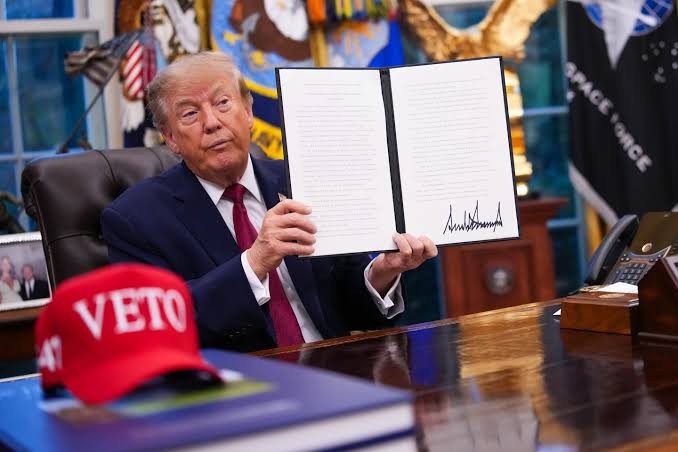
At the federal level, President Donald Trump remains a strong supporter of capital punishment. During his first term, he ended a nearly two-decade moratorium on federal executions, overseeing 13 executions within six months.
Trump reinstated the federal death penalty through an executive order on his first day back in office in January 2025, although no federal executions have been carried out since the order.
According to the Death Penalty Information Center, capital punishment remains legal in 27 US states, while 23 states and Washington, DC, have abolished it.
California's commutation decision marks a major development in the country's ongoing debate over the death penalty, even as the punishment remains legally available in the state.