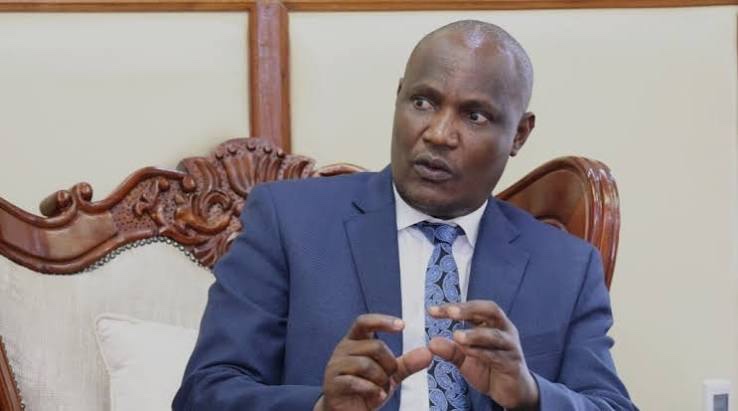
The Institute for Social Accountability-TISA has challenged Parliament to strengthen its oversight of public debt and ensure borrowed funds are used well. TISA Head of Programs Alexander Riithi made the call, saying MPs have failed to turn audit reports into corrective action. He urged lawmakers to question government borrowing and demand explanations on how loans are spent.
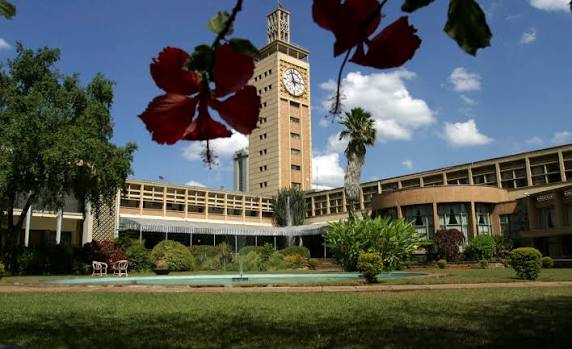
Parliament is responsible for scrutinising how public money is borrowed and spent, but TISA says that role is not working as it should. Riithi argues that MPs have not turned audit findings into consequences for officials who misuse public resources. The gap between reports and action has become a central issue in the accountability debate.
Riithi said reports from the Auditor-General and the Controller of Budget should mark the beginning of accountability, not the end. In his view, audit findings are often published and then left unresolved. Without follow-up, the reports do little to deter the misuse of funds.
He called on MPs to question government borrowing and demand explanations on how borrowed funds are spent. Those questions go beyond whether a loan is approved to whether the money delivers results. Project-level reporting, which lawmakers could demand, would give them a clearer picture of where debt is going.
Oversight committees have tools to hold officials to account, including summoning accounting officers and requesting follow-up on audit findings. Whether they use those tools consistently depends on political will and the resources available to committee staff. Civil society groups such as TISA often fill the gap by tracking how public funds are used.
Public debt affects every citizen because repayments compete with health, education and infrastructure in the budget. Weak oversight makes it harder to link borrowing to visible outcomes, which can erode public trust. Lenders also watch how governments manage borrowing, so credible scrutiny matters for the cost of finance.
Audit reports are meant to flow into parliamentary committees, which is where accountability is supposed to begin. When committees do not act, findings can remain on paper while similar problems reappear in later audits. That repetition is one of the clearest signs that oversight is not producing consequences.
The next test will come as committees review the latest audit reports and as the government sets out its borrowing plans. Watch whether MPs hold hearings on specific loans and whether any officials face follow-up action from the findings.