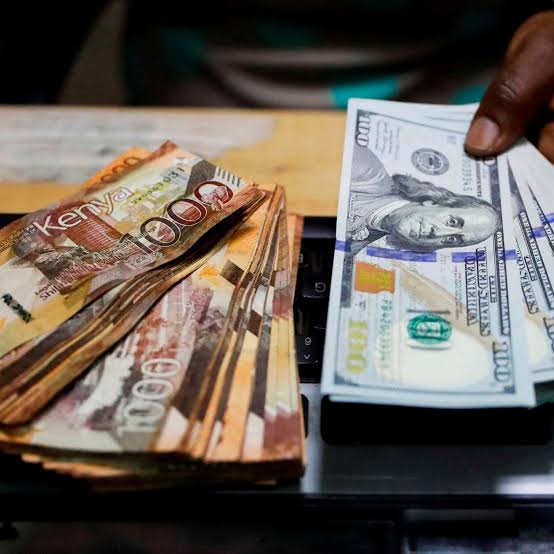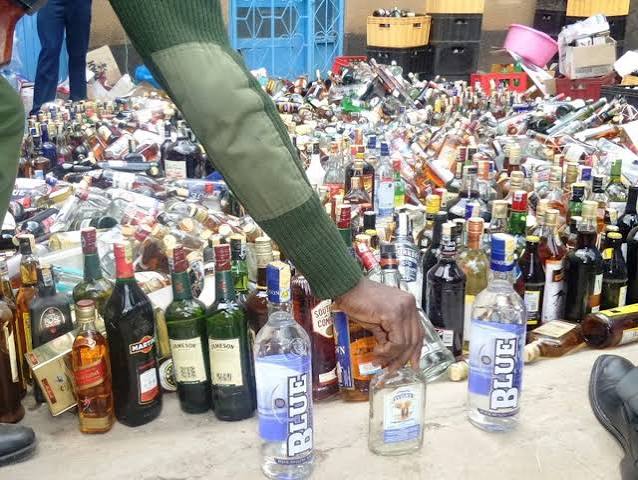
The Kenya Revenue Authority (KRA) collected Sh61.8 billion in domestic excise taxes in the financial year ended June 2026, down from Sh69.4 billion a year earlier, as counterfeit and tainted alcoholic drinks weakened collections through illicit trade and changes in excise taxation.
The Sh7.6 billion decline represents a 10% fall in domestic excise revenue, an unusual contraction at a time when other excisable product categories recorded increases. Alcoholic beverages accounted for 69.3% of domestic excise collections during the 2025/26 financial year, making the decline significant for government revenue.
KRA attributed the reduction to changes in the taxation of alcoholic drinks and the growth of counterfeit spirits. Commissioner for the Tax Research and Analysis Unit Alex Mwangi told a parliamentary committee that lower taxes on beer reduced revenue from the category, while higher duties on spirits were expected to compensate for the shortfall.
However, the spirits market has faced an increase in counterfeit products, limiting the expected revenue gains. The changes followed the Tax Laws (Amendment) Act, 2024, which shifted excise duty from a product-based structure to a charge calculated according to the volume of pure alcohol in beverages.
The revised rates took effect on December 27, 2024. Beer attracted lower duty because of its comparatively lower alcohol content, while wines and spirits became more expensive because they contain higher levels of alcohol. Industry players had warned that higher prices for legal spirits could push consumers towards cheaper illicit alternatives.
The growth of counterfeit alcohol has also raised public health concerns. Some illicit drinks have been found to contain methanol, an industrial chemical that can cause severe poisoning, blindness or death when consumed. The UK Foreign Office added Kenya to its travel guidance on countries where visitors face risks from counterfeit or tainted alcoholic drinks.
The revenue decline highlights the challenge facing tax authorities as they seek to balance excise collections, public health objectives and the competitiveness of legitimate manufacturers. KRA will need to strengthen enforcement against counterfeit producers while monitoring how consumers respond to the revised tax structure.
The next financial results will show whether tighter controls on illicit alcohol and any adjustments to excise policy can help restore growth in domestic excise collections.