Sugarcane farmers across Kenya are voting on Tuesday, November 24, 2026, to elect five representatives to the Kenya Sugar Board, in a contest expected to shape growers’ influence over the struggling sugar industry.
Twenty candidates are competing for the five positions, with each of the country's sugar-growing catchment areas set to elect one representative. The elections are being conducted under the Sugar Act 2024, which provides for grower representation on the board.
Kenya Federation of Sugarcane Farmers Chairperson Ezra Okoth has urged farmers to turn out in large numbers, describing the exercise as an important step towards addressing long-standing problems in the sector.
Among the issues growers want their representatives to tackle are delayed payments for delivered sugarcane, poor access roads and other challenges affecting production and the movement of cane to factories.
The new representatives will be expected to bring farmers’ concerns into board deliberations as the industry navigates reforms under the Sugar Act 2024.
To participate, voters must present an original national identity card or a valid passport, alongside proof that they have supplied sugarcane to a registered miller.
The election follows months of delays after the initial September 5 date was suspended amid court disputes involving electoral boundaries and public participation. The postponement prolonged uncertainty over the process of selecting growers’ representatives.
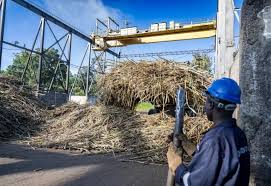
The outcome will be significant for farmers who depend on sugarcane as a source of income, particularly in western Kenya and other cane-growing regions where miller payment delays and poor infrastructure have repeatedly affected livelihoods.
The new board representatives will face pressure to ensure that farmers’ interests are reflected in decisions on industry regulation, miller operations and the implementation of reforms.
The vote is therefore more than a leadership exercise. It will determine who speaks for growers at a time when the sector is seeking better accountability, reliable payments and improved conditions for sugarcane production.