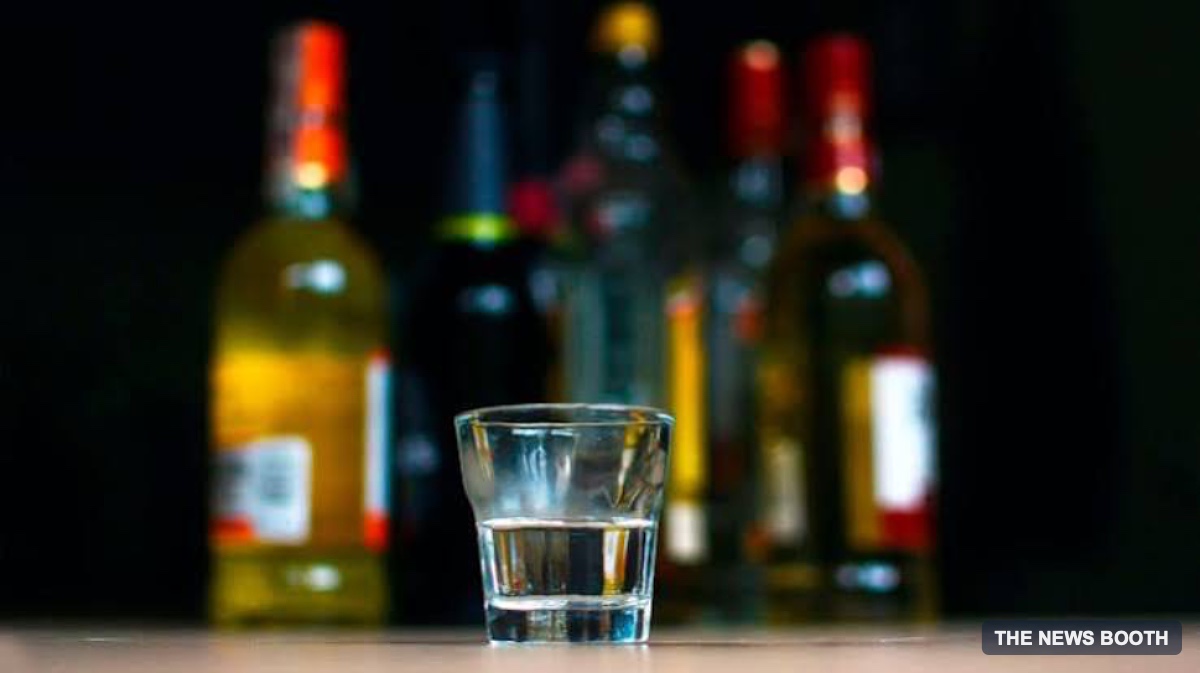
Kenyan alcohol industry stakeholders have warned that proposed changes to the country's alcohol laws could put nearly 9,000 jobs at risk and reduce annual tax collections by Sh1.8 billion, intensifying opposition to the Alcoholic Drinks and Drugs Control Laws (Amendment) Bill, 2026.
The concerns were raised by industry associations representing liquor traders, hospitality businesses, boda boda operators and hotel workers during submissions to Parliament on November 23.
The groups estimate that raising the minimum legal drinking age from 18 to 21 could threaten approximately 8,960 jobs and put 1,792 licensed outlets at risk. They also project that the change could reduce government tax revenue by Sh1.8 billion annually.
The proposed legislation contains several measures that would affect how alcoholic drinks are produced, distributed, advertised and sold.
Among the contested proposals are raising the minimum drinking age, restricting alcohol sales in certain establishments, limiting online advertising and delivery channels, and introducing additional controls on transportation and distribution.
Industry representatives argue that restrictions on licensed businesses could disrupt employment across bars, restaurants, hotels, retail outlets and related supply chains.
They have also questioned proposals that could limit alcohol sales through supermarkets and online platforms, warning that consumers may turn to unregulated sellers if access to legitimate outlets becomes more difficult.
The concerns extend to motorcycle taxi operators and delivery workers who earn income transporting goods, including alcoholic beverages.
The Pubs, Entertainment and Restaurants Association of Kenya and other industry groups are urging lawmakers to reconsider the proposed restrictions and focus enforcement on illegal manufacturers and distributors.
However, the government has defended the proposed reforms as part of efforts to strengthen controls against illicit alcohol, underage drinking and the circulation of unsafe products.
The debate highlights the challenge facing policymakers in balancing public health and consumer protection with employment, business activity and tax collection.
The financial and employment estimates presented by industry associations remain projections rather than confirmed consequences of the Bill. The actual impact would depend on the final provisions adopted by Parliament and how they are implemented.
For businesses and workers in the hospitality and alcohol distribution sectors, the parliamentary consideration of the proposed amendments could determine the regulatory environment under which they operate.
The Bill has not yet become law, leaving Parliament to consider the competing concerns before deciding on the proposed changes.