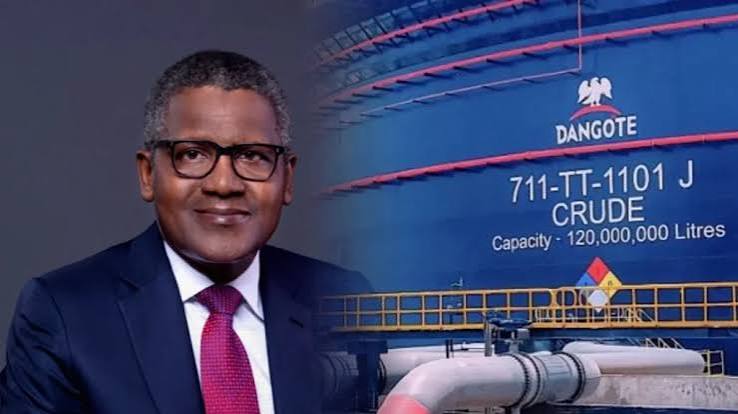
Dangote Petroleum Refinery has moved closer to its Nigerian stock market debut after the Securities and Exchange Commission approved its share-allocation plan on November 23, 2026, following an initial public offering that attracted approximately $4.5 billion in investor demand.
The approval allows the refinery to proceed with allocating shares to investors ahead of its planned listing on the Nigerian Exchange, according to Reuters, which cited three people familiar with the decision.
The offer attracted demand nearly three times the size of its original $1.6 billion target after closing on October 27, highlighting strong investor appetite for a stake in Africa's largest oil refinery.
Dangote is separately seeking regulatory approval to increase the offer by up to 30%, potentially raising its size to approximately $2.1 billion. The proposed expansion is intended to accommodate more of the demand received during the subscription period.
However, approval of the share-allocation plan should not be confused with approval of the proposed increase. The final number of shares to be distributed and the proceeds raised have not yet been announced.
The refinery, owned by Nigerian billionaire Aliko Dangote, began operations in 2024 and has a processing capacity of 700,000 barrels of crude oil per day. It plans to double that capacity to 1.4 million barrels by 2029.
The public offering has also attracted interest from Kenyan investors through a separate arrangement involving global depositary receipts.
Kenya's Capital Markets Authority approved a short-form prospectus in October, allowing Renaissance Capital Kenya to facilitate local investor participation in the Nigerian offer through depositary receipts.
The Nairobi Securities Exchange has approved the proposed admission of the receipts, subject to applicable listing requirements and regulatory clearances. Trading was initially expected around December 8, although the final timetable remains conditional on the required approvals and completion of the share-allocation process.
The arrangement would give eligible Kenyan investors access to the refinery through securities traded locally, without requiring them to purchase the underlying Nigerian shares directly.
For Kenya's capital markets, the transaction offers an opportunity to broaden investment choices and strengthen cross-border access to African companies seeking capital.
The next steps in Nigeria, including final share allocations and confirmation of the enlarged offer, will therefore also be important to the proposed Kenyan listing.