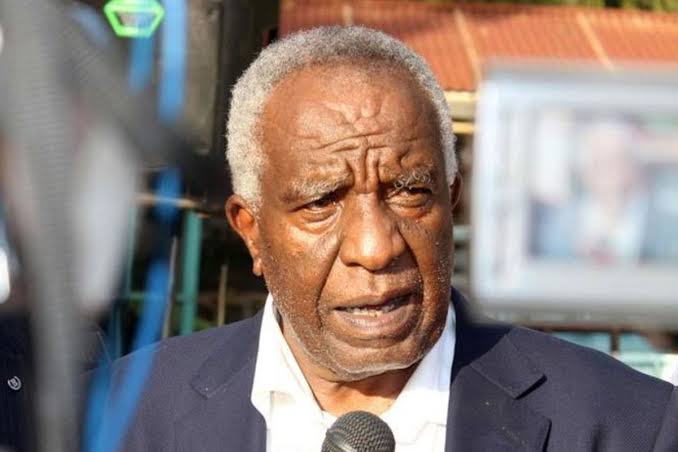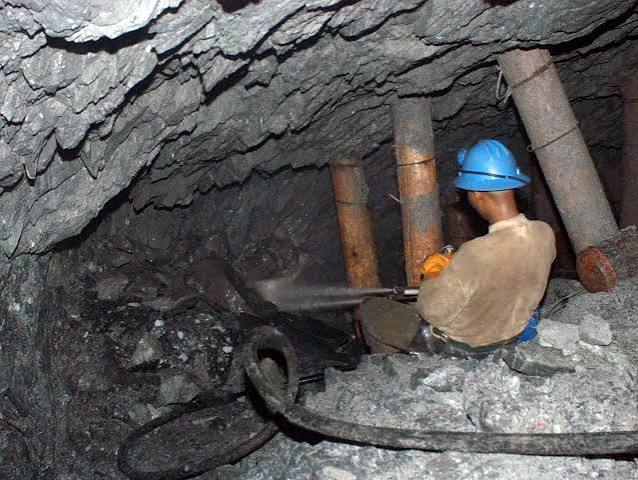
South Africa's Health Minister Aaron Motsoaledi has proposed legislation that could shield mining companies from civil lawsuits brought by workers who develop occupational lung diseases, triggering concerns over the rights of former miners and their families.
The Draft Compensation for Occupational Diseases in Controlled Mines and Controlled Works Bill, 2026, seeks to replace the country's existing compensation framework with a state-administered system that would pay workers suffering from diseases caused by exposure to hazardous substances in mines and related industries.
Published for public comment on November 5, the proposed legislation introduces a controversial provision barring current and former workers, as well as their dependants, from pursuing civil damages claims against mining companies for occupational diseases covered by the law.
Section 35 of the draft bill extends employer protection from common-law liability, potentially ending the route through which miners have pursued large-scale compensation claims against mining companies.
The proposal has drawn criticism from lawyers representing miners affected by silicosis and other occupational illnesses. Richard Spoor, who led a landmark R5 billion silicosis class-action settlement involving gold mining companies, argued that the proposed restrictions would shift the burden of corporate responsibility onto workers.
The legislation is intended to replace the Occupational Diseases in Mines and Works Act of 1973, which has governed compensation for occupational illnesses among mineworkers for decades.
Under the proposed framework, a new state-owned Controlled Mines and Controlled Works Compensation Authority would oversee medical assessments, determine eligibility and administer compensation payments.
The authority would operate through a dedicated fund financed partly by levies on mining companies and other controlled works, as well as government appropriations and investment income.
The government says the reforms will improve the identification, tracking, medical assessment and compensation of current and former mineworkers, including their dependants.
Barry Kistnasamy, a former compensation commissioner who helped develop the proposed legislation, defended the changes, arguing that a no-fault system would provide a more accessible route to compensation without forcing sick workers into expensive and lengthy litigation.
The proposal also introduces a third degree of impairment for assessing compensation, potentially expanding eligibility for workers whose occupational diseases have affected their health.
Trade union federation Cosatu has said the restrictions on lawsuits must be examined alongside the proposed improvements in worker protection, compensation and workplace safety. The federation intends to scrutinise the legislation through the National Economic Development and Labour Council.
The debate comes against the background of South Africa's long history of occupational lung diseases, particularly among gold miners exposed to silica dust, which can cause silicosis and increase the risk of tuberculosis.
A historic R5 billion settlement involving gold mining companies demonstrated the scale of compensation claims arising from decades of occupational exposure.
The proposed law has not yet been enacted. The government has opened a three-month public consultation period, with submissions due by February 5, 2027.
The final legislation could significantly change how thousands of current and former mineworkers seek compensation for diseases linked to their employment, while determining the extent of legal protection available to mining companies.