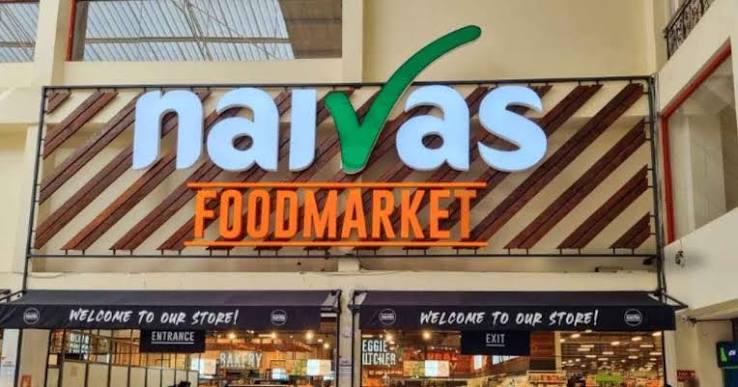
Naivas Supermarket has increased its annual net profit by 41.7 per cent to KSh3.37 billion, extending its growth as investors pour money into Kenya's increasingly competitive retail industry.
Financial disclosures by Mauritius-based investment group IBL Group show that the supermarket chain recorded net earnings of KSh3.37 billion for the financial year ended June 2026, up from KSh2.38 billion in the previous year.
The latest performance represents a significant improvement from the KSh1.66 billion profit recorded in the year ended June 2024, reflecting sustained growth in the retailer's operations.
Naivas' revenue increased by 11 per cent to KSh123.66 billion during the review period, compared with KSh111.34 billion in the previous financial year.
The results highlight the growing scale of the retailer, which has expanded its store network while strengthening its position in a market that has undergone significant changes following the collapse of several established supermarket chains.
Naivas operated 114 outlets by the end of June 2026, up from 108 a year earlier.
IBL Group, which holds an indirect 37.33 per cent stake in Naivas through investment vehicle Mambo Retail, described the supermarket as having consolidated its market leadership through growth in existing stores and new outlets across major product categories.
The retailer has also invested in operational improvements, including a new enterprise resource planning system intended to improve coordination across its business.
The growth comes as Naivas competes with Quickmart and Carrefour for market share, customers and prime retail locations.
Quickmart has also reported improved financial performance, with its net profit rising 33 per cent to KSh1.51 billion in 2025 as sales increased by 9.3 per cent to KSh50.43 billion.
The retailer is targeting further expansion, planning to increase its store network to 73 outlets and subsequently add more branches.
The supermarket industry's recovery has attracted foreign investors seeking exposure to Kenya's consumer market, particularly after the collapse of Nakumatt and Tuskys and the withdrawal or reduction of operations by foreign retail chains.
The sector's expansion has also coincided with changes in management and ownership as investors place greater emphasis on financial controls, governance and operational efficiency.
Naivas underwent a leadership transition last year when co-founder and managing director David Kimani stepped down at the end of October 2025. Andreas von Paleske, previously the retailer's chief of strategy, took over as its first non-family chief executive.
The retailer's latest results demonstrate the financial opportunities available to well-capitalised supermarket chains in Kenya, where urbanisation, changing shopping habits and population growth continue to support demand for organised retail.
However, sustaining profitability will depend on controlling operating costs, managing supplier relationships, maintaining inventory efficiently and expanding without taking on excessive rental and financing obligations.
For investors, Naivas' growing earnings reinforce the attraction of Kenya's supermarket industry, while intensifying competition for customers and locations among the country's largest retailers.