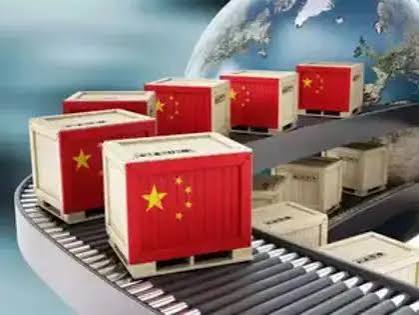
China’s trade surplus has exceeded $1 trillion for a second consecutive year after a sharp increase in exports of technology products, underscoring the country's growing dependence on overseas markets despite persistent weakness in domestic demand.
Customs data released on Tuesday, November 10, showed that China recorded a trade surplus of $1.04 trillion between January and October 2026, putting it on course to surpass the previous year's record of approximately $1.2 trillion.
Exports increased by 35.2 per cent in October compared with the same month in 2025, extending a strong run after growing 36.3 per cent in September. The latest increase also exceeded the 33.5 per cent growth economists had forecast in a Reuters poll.
The export surge has been supported by demand for semiconductors, artificial intelligence infrastructure, automobiles and other manufactured products.
China's semiconductor exports increased by 111.1 per cent in value during the first 10 months of the year, while shipments of high-tech products rose 47.9 per cent, according to customs figures cited by Reuters.
The figures highlight how the global race to build artificial intelligence infrastructure is creating fresh demand for Chinese technology components and manufactured equipment.
Imports also accelerated sharply, rising 41.6 per cent in October from a year earlier, compared with 31 per cent growth in September. The increase exceeded market expectations of 32 per cent.
The stronger import performance narrowed China's monthly trade surplus to $105.3 billion in October, down from $133.5 billion in September.
Despite the increase in imports, the cumulative surplus for the first 10 months remained above the trillion-dollar threshold.
The export performance is helping Beijing support economic growth at a time when domestic consumption remains subdued and the property market continues to struggle.
Chinese manufacturers have increasingly turned to overseas buyers to absorb production, including electric vehicles, electronics and industrial equipment.
However, the expanding trade imbalance is creating tensions with major trading partners, particularly the United States and European Union, which have raised concerns about Chinese exports competing with domestic manufacturers.
China's exports to the United States increased 32.9 per cent in October, while shipments to the European Union rose 24.3 per cent.
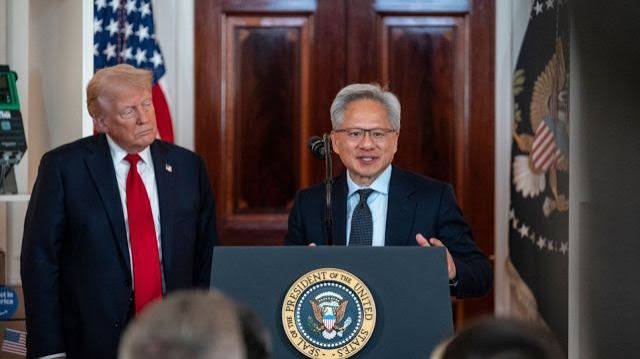
The figures come ahead of an expected meeting between US President Donald Trump and Chinese President Xi Jinping at the Asia-Pacific Economic Cooperation summit in Shenzhen next week.
Trade policy is likely to feature prominently in discussions as Washington and Brussels seek to address their trade imbalances with Beijing.
China's export momentum also faces risks from possible additional tariffs, trade restrictions and a slowdown in global demand.
Economists have warned that the country's dependence on overseas markets could become a vulnerability if the artificial intelligence investment boom loses momentum or major economies introduce further trade barriers.
For now, strong technology exports are providing an important source of support for China's economy, even as policymakers face the challenge of strengthening domestic consumption and reducing reliance on foreign demand.