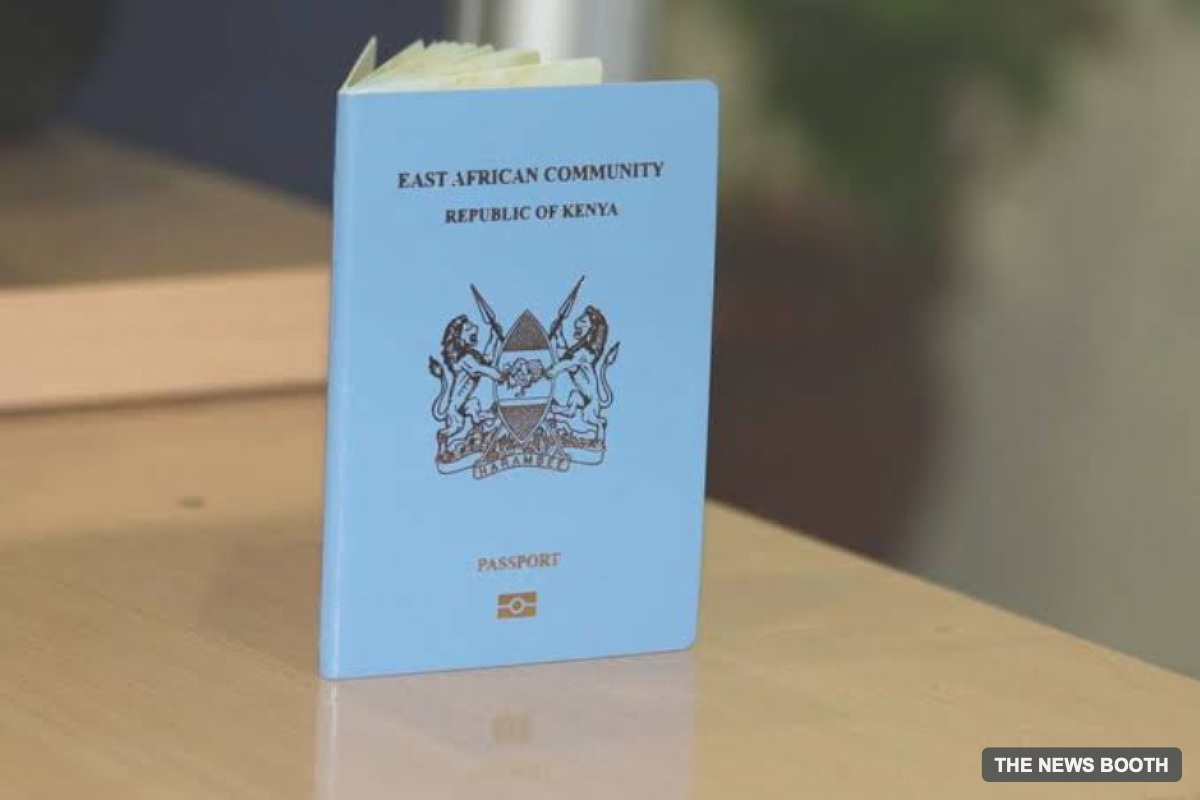
Somalia will begin issuing the East African Community (EAC) electronic passport in January 2027, marking another step in its integration into the regional bloc and efforts to ease cross-border movement. The Federal Government announced the rollout on November 27, 2026, after confirming that production of the new travel document had been completed.
The announcement was made during the EAC Meeting of Chiefs of Immigration held in Kampala, Uganda, on November 26. Somalia's Chief of Immigration, Hussein Qasim Yusuf, told regional officials that the passport would be linked to the country's national identification system, creating a coordinated process for verifying citizens' identities and travel documents.
Somali diplomatic missions abroad are also expected to provide passport issuance services, allowing citizens living outside the country to access the document without travelling to Somalia.
The new passport will carry the EAC insignia and comply with International Civil Aviation Organization standards. It forms part of the regional bloc's effort to harmonise travel documents, improve border security and facilitate movement among its eight member states.
Somalia joined the EAC in November 2023 and became a full member in March 2024. However, adopting regional systems has required the country to align its immigration, identification and administrative frameworks with existing Community requirements.
Kenya, Tanzania, Burundi, Uganda and Rwanda already issue the EAC electronic passport. Somalia's entry into the system will bring the number of issuing member states to six, while South Sudan has reported progress towards implementation. The Democratic Republic of Congo is also yet to complete its rollout.
The regional passport is available in ordinary, service and diplomatic categories. Under EAC requirements, ordinary passports can be valid for up to 10 years, although individual issuance conditions are determined by national authorities.
The rollout is expected to support the EAC Common Market Protocol, which provides for the movement of people, workers and services across member states. Easier mobility can support regional business travel, employment, education, tourism and cross-border trade.
However, the introduction of a common passport does not automatically remove every travel restriction or guarantee visa-free entry into all destinations. Member states must also implement other regional commitments, including harmonised immigration procedures, work and residence permit arrangements and recognition of national identification documents.
For Somalia, the January 2027 rollout will be an important test of its ability to translate EAC membership into practical services for citizens. The next milestone will be the commencement of applications and the availability of the passport through immigration offices and diplomatic missions.