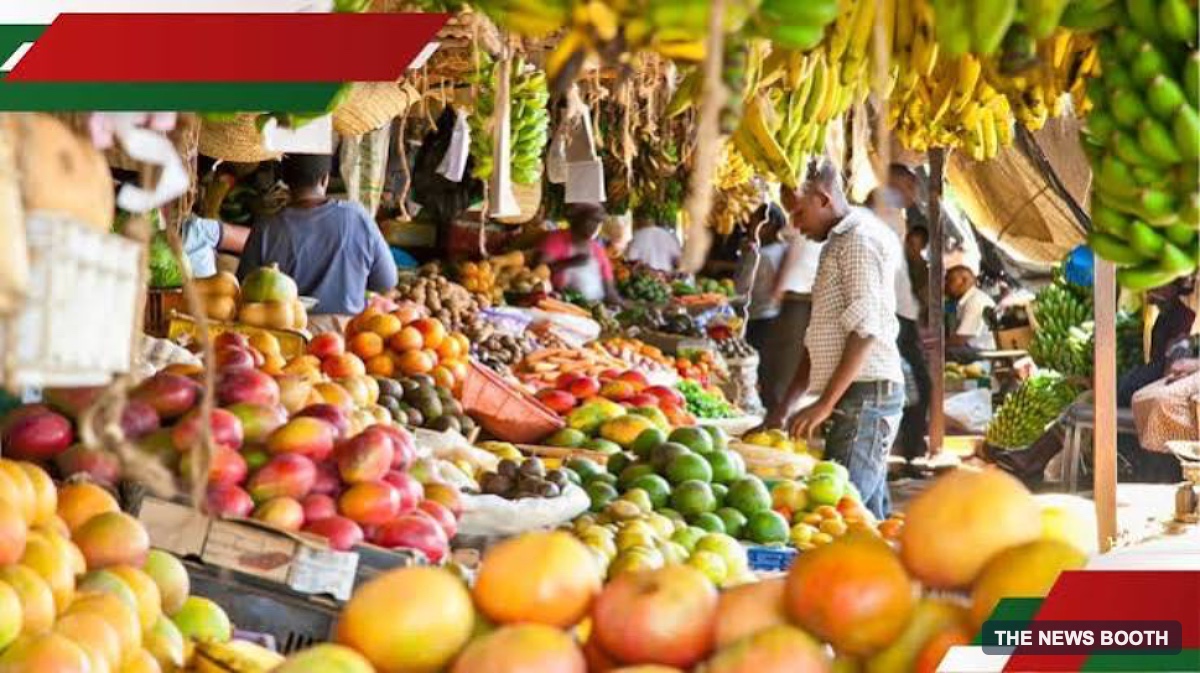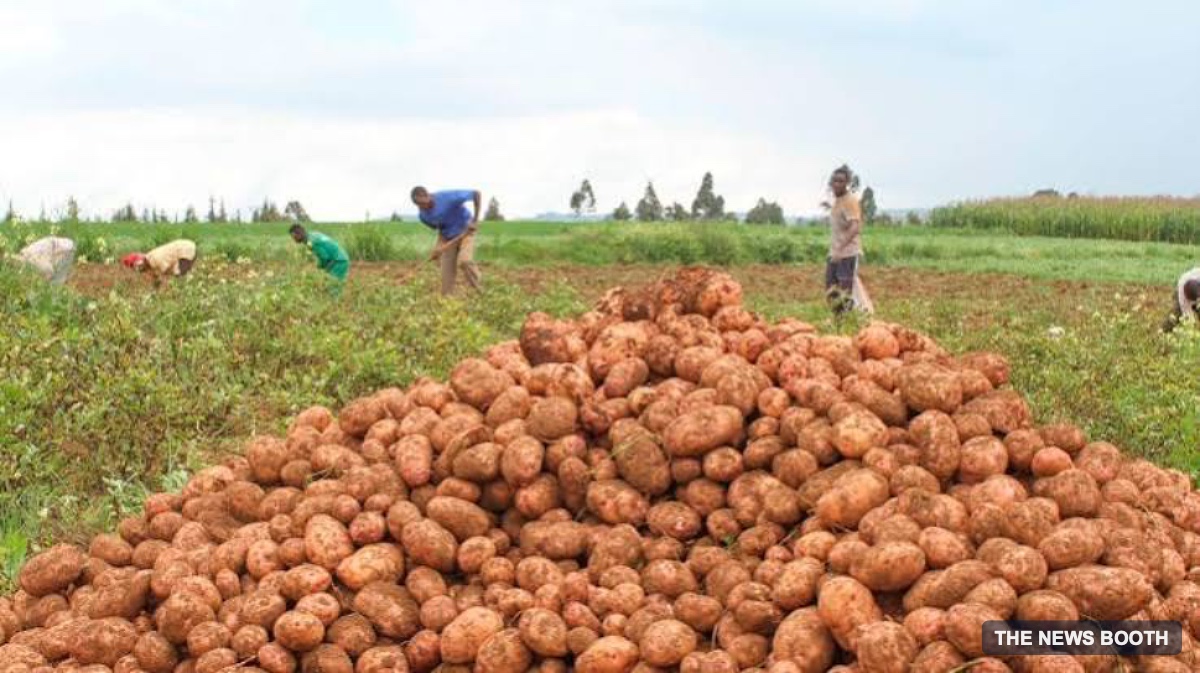
Kenyan agriculture and food startups attracted Sh59 billion in investor funding between 2018 and August 2026, accounting for 39.5 per cent of the capital deployed in the sector across Africa. The findings, published in a new study by business intelligence firm Medarion, highlight Kenya's position as a leading destination for investment in agricultural businesses despite wider fundraising challenges facing African startups.
The Kenyan companies recorded 132 investment transactions during the period, representing 27 per cent of the 496 deals tracked across the continent. The funding covered businesses operating across the agricultural and food value chain, extending beyond traditional crop and livestock production.
Medarion markets analyst Joseph Pategou said Kenya's appeal lies partly in the range of investment opportunities available, allowing investors to finance businesses at different stages of the value chain.
Nigeria was the second-largest recipient of agricultural startup funding, attracting approximately Sh26 billion through 91 transactions, equivalent to 18 per cent of the African total. Kenya and Nigeria together accounted for more than half of the capital invested in the continent's agricultural startups.
Other major recipients included Ghana, Tanzania, South Africa, Egypt and Uganda. Kenyan companies identified among the leading dealmakers and recipients included Victory Farms, Twiga Foods, One Acre Fund, Komaza, iProcure and Apollo Agriculture.
The figures underline the role of investment in businesses involved in food production, distribution, agricultural technology and access to markets. Such companies can attract capital by addressing challenges across the value chain, including farm productivity, supply-chain inefficiencies and access to agricultural inputs.
However, the funding figures also reveal a more difficult picture for the sector. Agricultural businesses attracted only 4 per cent of investor funding in the current year covered by the report, compared with 24 per cent for business products and services, 23 per cent for energy and 17 per cent for financial services.
The study also points to the importance of development finance institutions and international investors. The International Finance Corporation led in investment value across African agricultural firms, with Sh6.8 billion, followed by the UK-government-funded AgDevCo, which invested Sh4.8 billion.
Kenya's Catalyst Fund recorded 19 transactions across the continent, placing it among the leading investors by deal volume.
The challenge for agricultural startups will be converting investment into sustainable businesses that improve productivity, strengthen food distribution and create reliable markets for farmers. Whether the country can maintain its position will depend on continued investor confidence, access to patient capital and the ability of startups to demonstrate viable business models.