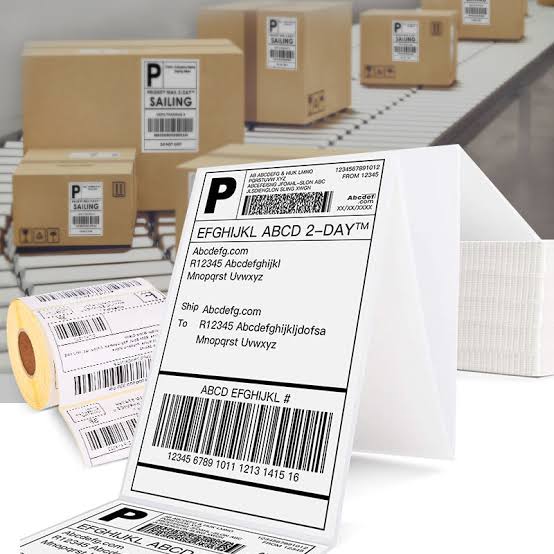
Many small online sellers in Nairobi write customers' full names and phone numbers on parcels sent to pick-up points, a habit that is often adopted without thought for privacy. Under Kenya's Data Protection Act, 2019, those details are personal data and printing them where strangers can read them may amount to unlawful disclosure. The risk is real: fines of up to Sh5 million, compensation claims and reputational damage could all follow.
Walk into almost any small online shop in Nairobi and the habit is visible. A parcel is taped up for a pick-up point in the CBD or a Pick-Up Mtaani locker, and the label carries the buyer's full name and mobile number. For the seller, it is practical labelling. For the customer, anyone who handles the parcel can read a name, a phone number and often the town where the buyer lives.
Kenya's Data Protection Act, 2019, applies to any person or business that processes the personal data of people in Kenya, and small businesses are not exempt. A name and phone number are personal data. Processing includes collecting, storing, using and disclosing that information, and printing it on a parcel that passes through several hands is a form of disclosure. Businesses that handle customer data must be registered with the Office of the Data Protection Commissioner (ODPC), must process data only for a lawful purpose, and must keep it secure.
Customers have clear rights. They can complain to the ODPC, which can investigate, mediate and order compensation. Section 65 of the Act allows a person who has suffered damage from a breach to seek compensation. The ODPC has issued 184 compensation orders to people affected by data breaches since the Act came into force, according to a January 2026 report.
The penalties are not trivial. For breaches, the Commissioner can impose an administrative penalty of up to Sh5 million or, for an undertaking, 1 percent of annual turnover for the previous year, whichever is lower. Individuals can face fines and imprisonment of up to two years.
The ODPC has already imposed fines of between Sh1.85 million and Sh4.55 million on three businesses, including a school, for breaches of the Act. For a micro-business, a penalty of even a few hundred thousand shillings can wipe out a month's margin.
Most sellers probably do not see the label as a legal matter. They are focused on keeping costs low and making sure the right customer receives the right item, and many copy the format they have seen others use. Some may not know the Act applies to them at all, which is why the ODPC has run sensitisation sessions for businesses and public offices.
There is a simple fix. Sellers can print the first name and the last three digits of the phone number, or use an order reference or a courier-issued code instead. Some pick-up points also accept sealed bags, with the buyer's details kept on a separate slip inside. Such measures identify the parcel without exposing the customer.
A customer who finds their details on an open parcel could complain to the ODPC, which is usually faster and cheaper than court. They could also seek compensation if they can show harm, such as harassment, fraud or distress. A label showing full details, seen by strangers at a pick-up point, makes that argument easier to make. Most disputes are likely to be settled through complaints or negotiation, but an enforcement notice or a public ruling could damage a small brand's reputation quickly.
For most micro-businesses, a single penalty will not close the shop. The greater danger is repeated complaints, a publicised ODPC decision, or a settlement that drains the capital needed for stock. Online sellers depend on trust, and customers who learn that their information was exposed are unlikely to return.
Sellers who want to protect themselves should mask personal details on labels, use order codes, delete customer data once an order is complete, and ask couriers and pick-up points what their data practices are. Businesses that process customer data at scale should register with the ODPC and seek legal advice. A little care on the parcel label costs far less than a complaint.