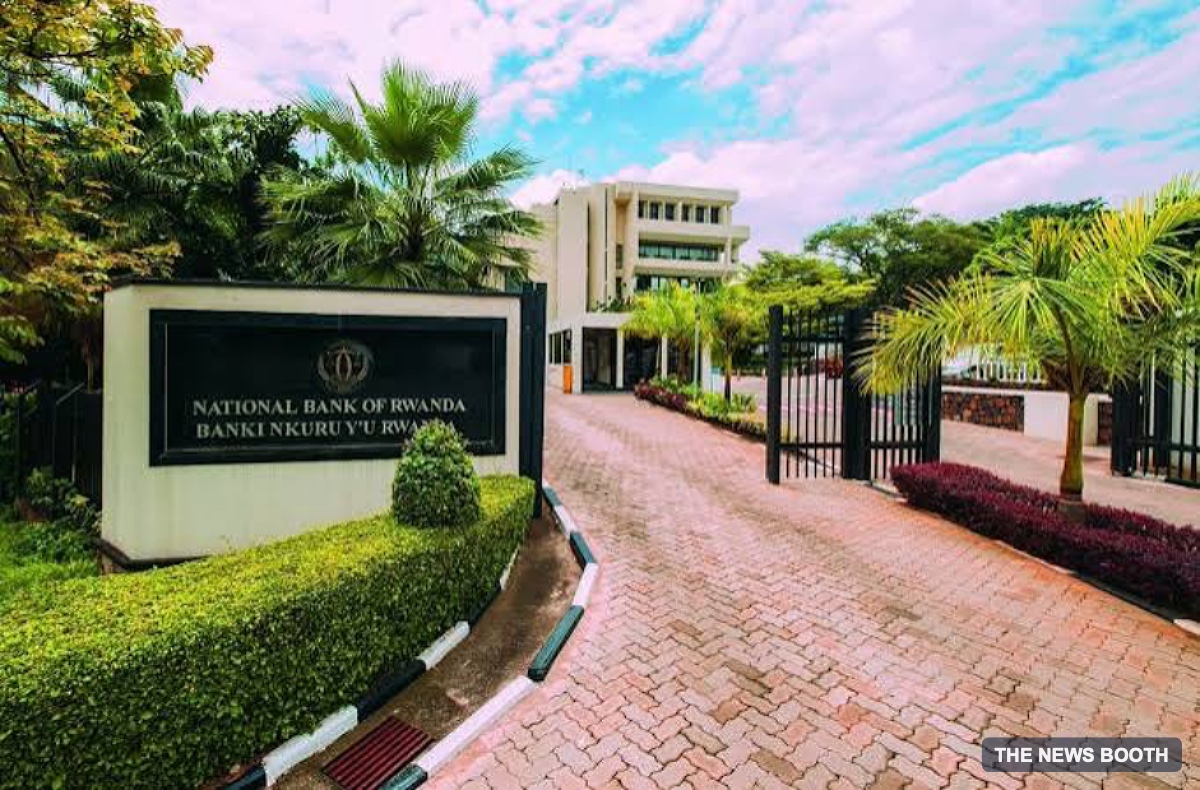
Rwanda’s central bank has raised its benchmark interest rate by 75 basis points to 9.5 per cent, its highest level since 2009, as inflation accelerated to 19.5 per cent in October. The National Bank of Rwanda announced the decision on November 26, alongside an increase in the reserve requirement for commercial banks, in a renewed effort to contain rising prices.
The latest adjustment marks the fourth interest rate increase in 2026, bringing cumulative tightening to 275 basis points. The Central Bank Rate had risen to 7.25 per cent in February, 8.25 per cent in May and 8.75 per cent in August before the latest decision.
The Monetary Policy Committee also increased the reserve requirement ratio from 5 per cent to 7 per cent. This requires commercial banks to hold a larger proportion of their deposits in reserve rather than make the funds available for lending, reducing excess liquidity in the banking system.
The measures follow a sharp deterioration in Rwanda’s inflation outlook. Data from the National Institute of Statistics of Rwanda show urban inflation rose from 17.2 per cent in September to 19.5 per cent in October, well above the central bank’s target range of 2 to 8 per cent.
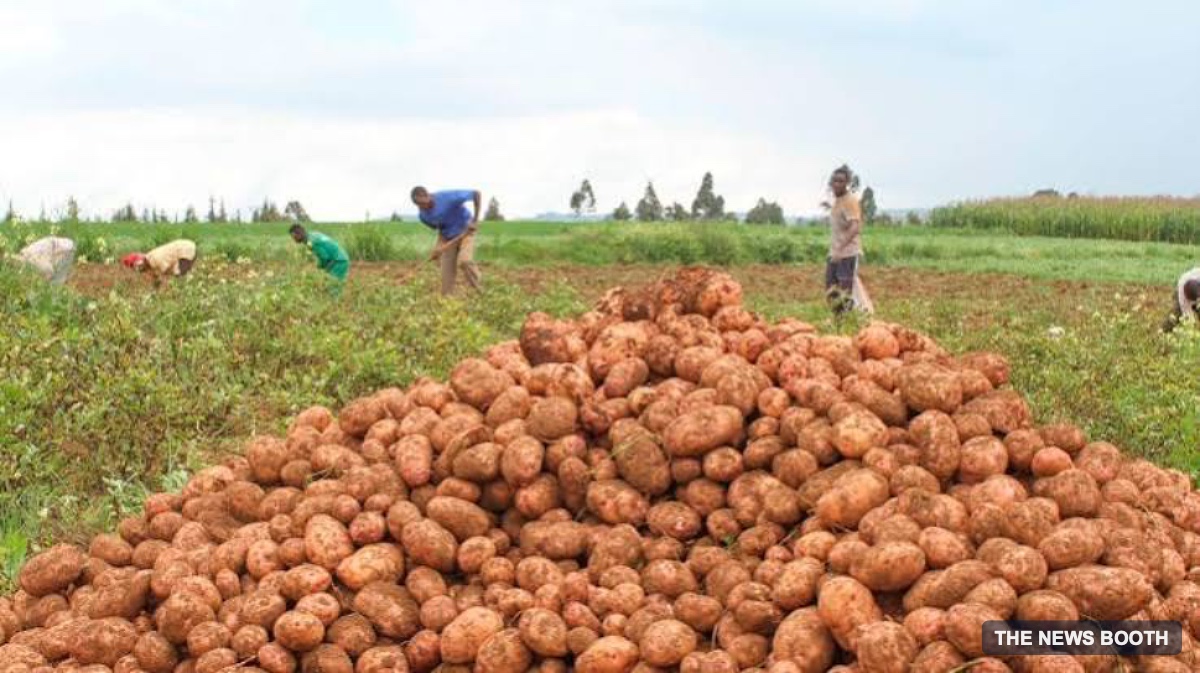
Food prices remain a major source of pressure. Food and non-alcoholic beverages were 28.9 per cent more expensive in October than a year earlier, while housing, water, electricity, gas and other fuels recorded a 14.2 per cent annual increase.
The central bank attributed persistent food inflation partly to adverse weather conditions affecting agricultural production. It expects headline inflation to average 14.4 per cent in 2026, higher than its previous projection of 13.1 per cent.
The tightening could increase financing costs for businesses and households if commercial banks pass higher funding costs through to borrowers. Companies relying on credit to finance inventory, expansion and operations may face additional pressure, while reduced liquidity could also constrain lending.
Rwanda’s policy shift contrasts with Kenya’s current position. The Central Bank of Kenya maintained its benchmark rate at 8.75 per cent in October, when domestic inflation stood at 7.3 per cent. Its next Monetary Policy Committee meeting is scheduled for December 9, putting the regional inflation and interest rate divergence in focus for investors and businesses.
Rwanda’s central bank expects inflation to ease progressively from the second quarter of 2027 and return to its target range by the end of that year.
However, the outlook remains exposed to food supply disruptions and international oil price pressures, leaving policymakers with the challenge of containing inflation without excessively restricting economic activity.