East African private-sector associations are pressing regional governments to remove discriminatory taxes, eliminate trade barriers and ease the movement of goods and people across borders to strengthen commerce within the East African Community (EAC). The proposals were presented in Nairobi following a three-day meeting held from November 24 to 26, 2026, bringing together business associations, the EAC Secretariat and the East African Business Council (EABC).
The business groups want Partner States to address non-tariff barriers that increase the cost and time involved in moving goods across the region. These include inconsistent customs procedures, restrictive domestic taxes, duplicated inspections and delays in implementing regional trade agreements.
They are also calling for harmonised domestic tax policies, including more consistent excise duty arrangements, ratification of the EAC Double Taxation Agreement and lower digital tax stamp costs for manufacturers. The aim is to reduce regulatory differences that can make it more expensive for companies to manufacture, distribute and sell products in neighbouring markets.
Small traders are another focus of the proposals. The associations want the Simplified Trade Regime fully implemented to make it easier for small-scale cross-border businesses to trade without facing complex customs requirements. They are also urging governments to operationalise the Single Customs Territory and fast-track amendments to the regional law governing the elimination of non-tariff barriers.
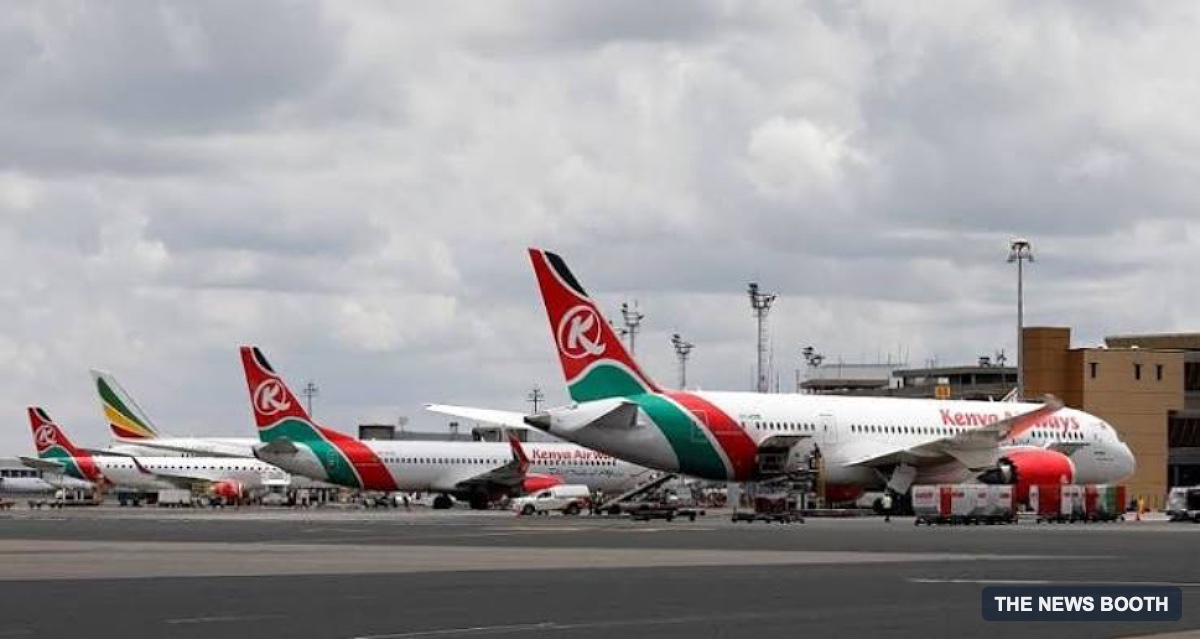
The meeting also raised transport and mobility restrictions ahead of the 2027 Africa Cup of Nations, which Kenya, Tanzania and Uganda will jointly host. Business groups want regional governments to liberalise air transport, allow intra-EAC flights to be treated as domestic travel, remove visa restrictions and permit easier movement using national identity cards.
They also proposed extending the One Network Area for voice and data services across the region and implementing Fifth Freedom air transport rights, which would allow airlines to carry passengers and cargo between two foreign countries as part of services connecting to their home country.
The EABC said intra-regional trade remains below 15 per cent, highlighting the gap between the bloc's integration ambitions and actual commercial activity. The EAC Secretariat reported that the amended non-tariff barriers law is ready for consideration by the East African Legislative Assembly, while other regional measures are awaiting implementation or approval.
For Kenyan businesses, removing these barriers could improve access to neighbouring markets, reduce cross-border operating costs and create opportunities for manufacturers, exporters, logistics companies and service providers.
However, the proposals are not yet implemented policy. Their impact will depend on whether Partner States translate the private-sector recommendations into legal changes, coordinated regulations and practical improvements at border crossings and airports.