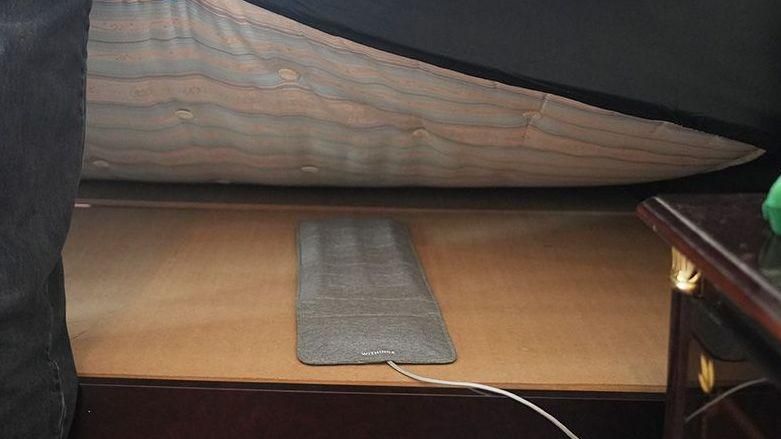
In a groundbreaking approach to dementia care, smart beds and motion sensors are being trialed to support patients in maintaining their independence. This innovative technology, which includes sensors embedded in socks, beds, and throughout the home, is being tested by individuals such as Jyoti and Bharat Patel. The initiative aims to provide a safer living environment for individuals with dementia by monitoring their movements and alerting caregivers to any potential issues. The integration of technology in dementia care is gaining traction as it offers a promising solution to the challenges faced by patients and their families.
The use of smart technology in dementia care is particularly significant given the increasing prevalence of the condition. Dementia, which affects memory, thinking, and social abilities, can severely impact the quality of life for patients and their families. Traditional care methods often involve constant supervision, which can be both costly and emotionally taxing. By integrating smart technology into everyday items, caregivers can receive real-time updates on the well-being of their loved ones. This not only enhances safety but also allows patients to live more independently for longer periods, reducing the need for constant oversight.
Lincolnshire County Council is at the forefront of this technological advancement, exploring how these tools can be implemented effectively. The council's efforts are part of a broader trend towards using technology to improve healthcare outcomes and quality of life for those living with chronic conditions. As the global population ages, the demand for innovative dementia care solutions is expected to rise. The success of these trials could pave the way for wider adoption of smart technology in homes across Kenya and beyond.
With continued research and development, these tools have the potential to transform the landscape of dementia care, offering new hope to patients and their families. The focus will be on refining these technologies to ensure they are accessible and affordable for all. As more data becomes available from ongoing trials, stakeholders will be better positioned to make informed decisions about the future of dementia care. The potential for smart technology to revolutionize the way dementia is managed is immense, promising a future where patients can maintain their dignity and independence while receiving the care they need.