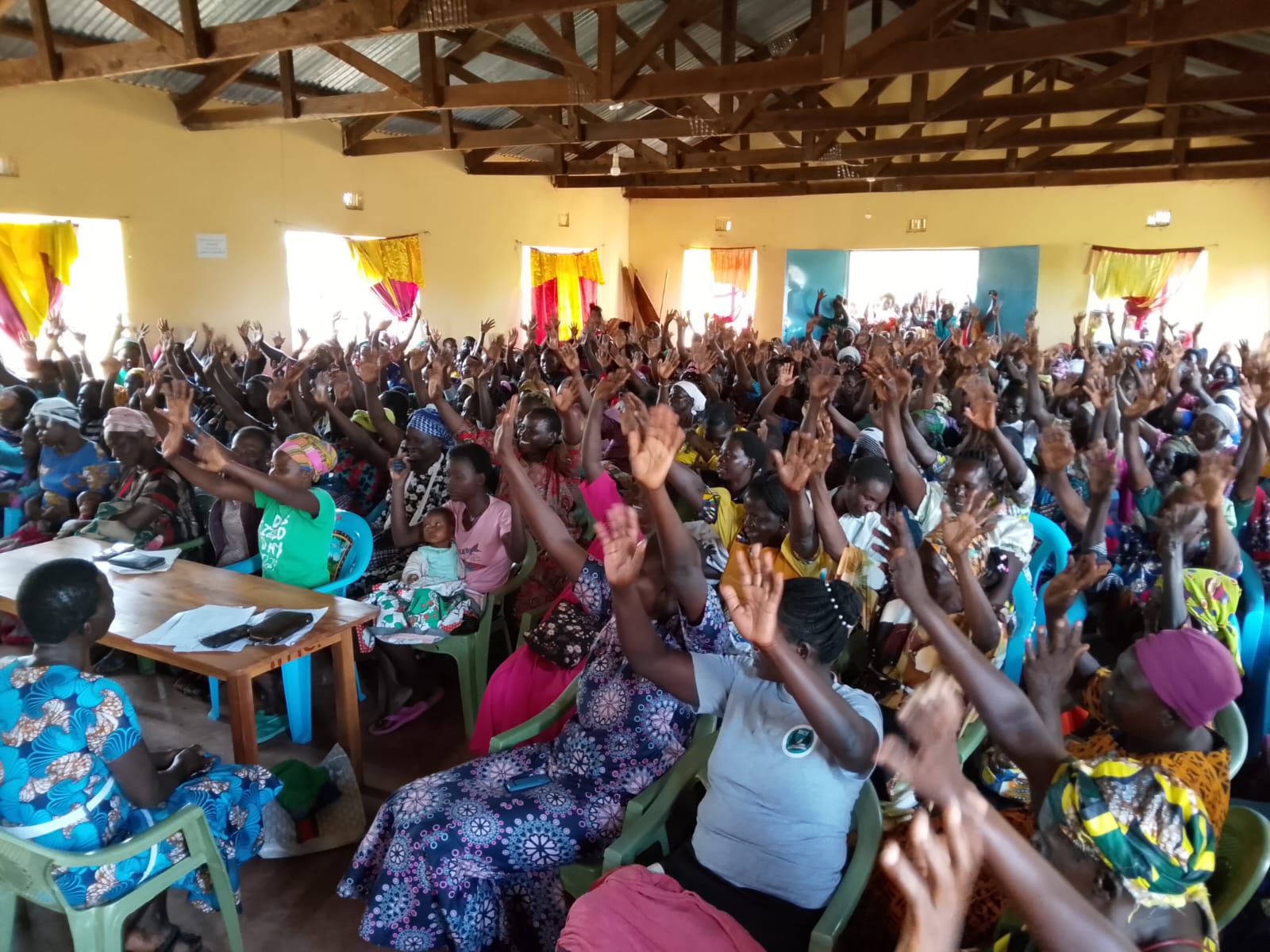
More than 100,000 women-led micro, small, and medium enterprises (MSMEs) across ten counties in Kenya have been equipped with essential business and financial management skills through a comprehensive training programme. This initiative is a collaborative effort between the Stanbic Foundation and Kenya Industrial Estate, aimed at enhancing financial literacy and enterprise resilience among women entrepreneurs in the country. The programme has been implemented in partnership with various county governments, covering Homa Bay, Busia, Kakamega, Kisumu, Uasin Gishu, Kisii, Nyamira, Kericho, Nairobi, and Kiambu counties.
The training focuses on strengthening the fundamental skills necessary for long-term business sustainability. Participants have been trained in structured record keeping, cash flow management, budgeting, financial planning, and understanding Credit Reference Bureau (CRB) processes. By building financial literacy at the grassroots level, the programme seeks to empower women-led businesses to engage more confidently with formal financial systems. This empowerment is crucial, as women entrepreneurs play a central role in Kenya’s county economies. However, many of these businesses operate informally, which limits their ability to scale and access financial services.
The significance of this programme extends beyond individual business growth. Strengthening financial confidence among women entrepreneurs not only enhances business resilience but also contributes to broader economic benefits such as job creation, household stability, and inclusive growth at the county level. Collaborative models that combine capacity building with structured financial pathways serve as practical levers for closing gender gaps in entrepreneurship. They unlock long-term economic opportunities by enabling women to participate more fully in the formal economy.
The Stanbic Foundation, which will celebrate five years of operation in 2025, has been instrumental in this initiative. Over the years, the foundation has disbursed more than Ksh180 million in micro-loans and facilitated capacity building for the targeted 100,000 women entrepreneurs across the country. This financial support, coupled with the training provided, is designed to create a more resilient and sustainable business environment for women entrepreneurs.
By investing in the skills and financial literacy of women entrepreneurs, the programme not only supports individual businesses but also contributes to the overall economic development of the regions involved. As these women-led enterprises grow and thrive, they are expected to play a pivotal role in driving economic progress and fostering inclusive growth across the nation.