Kenya’s first eligible contacts linked to the Bundibugyo virus disease outbreak are expected to complete their mandatory 21-day monitoring period and return home from Sunday, October 25, provided they meet the required health protocols.
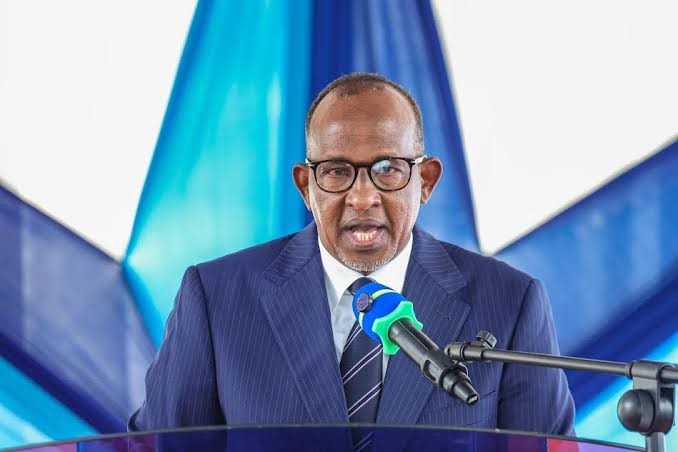
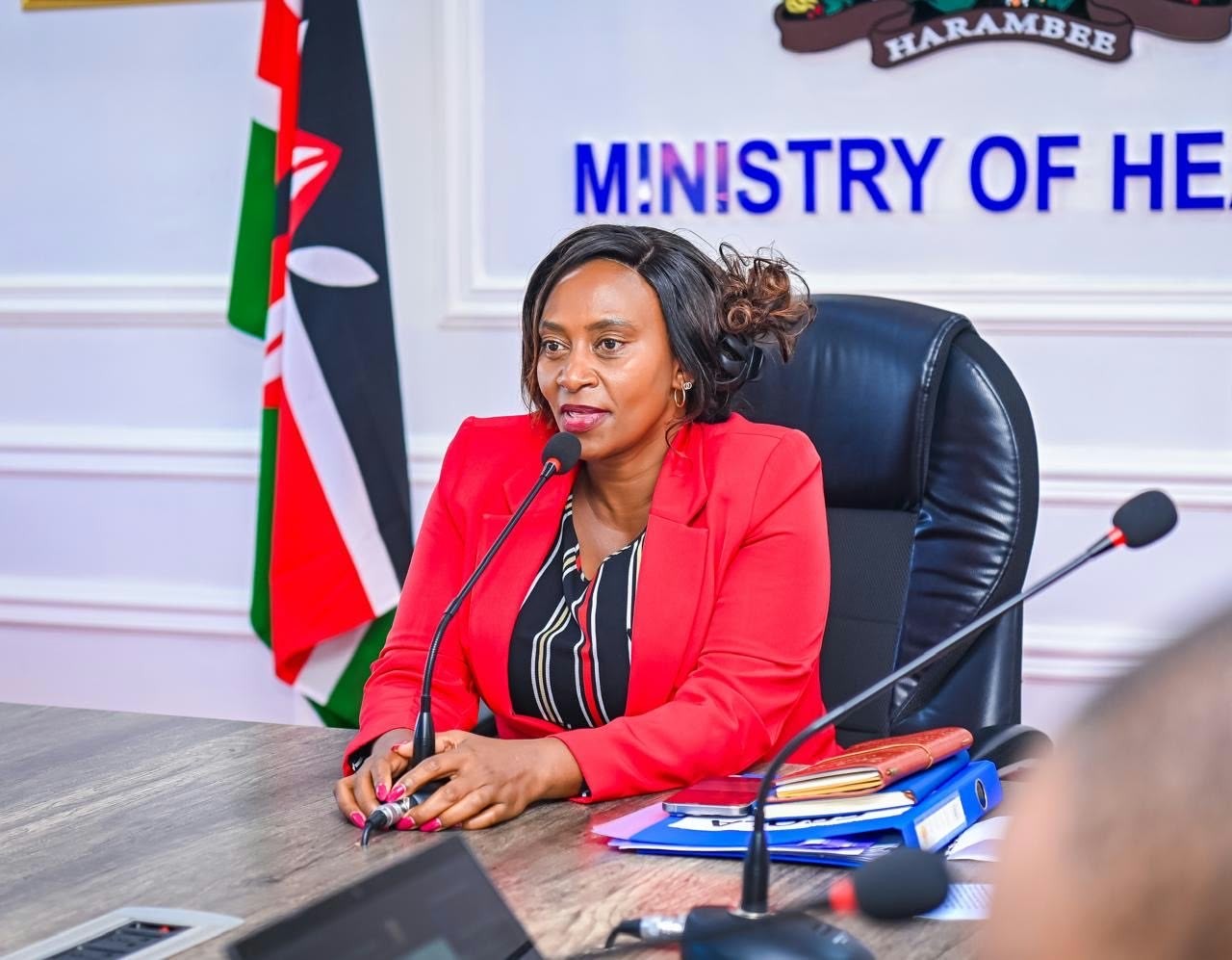
Principal Secretary for Public Health and Professional Standards Mary Muthoni chaired the eighth National Ebola Taskforce meeting on Friday, October 23, to review containment efforts as the country continues to manage nine confirmed cases, including one death.
Eight patients are receiving treatment, while all 135 contacts linked to the initial case have been traced.
The taskforce reported no evidence of community transmission, while all 14 samples collected from alerts across the country in the preceding 24 hours tested negative. Health officials continue to monitor exposed individuals and investigate suspected infections to prevent further spread.
The anticipated return home of the first eligible contacts marks a key stage in the monitoring process, although the outbreak response remains active. Contacts must complete the full 21-day observation period and satisfy the applicable health requirements before leaving monitoring.
The monitoring period is calculated from an individual’s last exposure to the virus. Anyone exposed again through a subsequent confirmed case may require further monitoring, depending on the circumstances of the exposure.
During Friday’s meeting, the taskforce reviewed surveillance, case management, isolation facilities, essential medical supplies and resource mobilisation. The government is maintaining enhanced screening and monitoring as it seeks to identify potential infections early and sustain containment measures.
Kenya’s outbreak began with an imported infection involving a Kenyan citizen who had lived in the Democratic Republic of the Congo (DRC) for seven years. The patient travelled from the DRC through Uganda and arrived at Jomo Kenyatta International Airport in Nairobi on October 3, 2026.
The patient was admitted to Nairobi Hospital but died on October 5. The Ministry of Health confirmed the infection on October 6, prompting intensified contact tracing and the strengthening of the national response.
The number of confirmed infections subsequently rose to nine, including a close family contact who tested positive on October 19 while already in quarantine. The case was announced publicly on October 20.
The Ministry has also intensified screening at points of entry. Its reported figures indicate that 709,093 travellers had been screened since the response began, while 461 samples had been tested over the same period.
International partners have supported Kenya’s efforts through surveillance, laboratory testing, patient care and infection prevention.
On October 16, the World Health Organization announced the provision of approximately US$70,000 worth of supplies, including personal protective equipment, Ebola testing kits and infrared thermometers.
Muthoni reaffirmed the government’s commitment to containing the disease through a coordinated whole-of-government and whole-of-society approach involving national and county authorities, healthcare workers, partners and communities.
Despite the negative samples and the absence of detected community transmission, authorities continue to maintain surveillance and testing measures.
The first contacts’ expected return home will depend on their completion of monitoring and compliance with health protocols, while the wider response continues to guard against further infections.