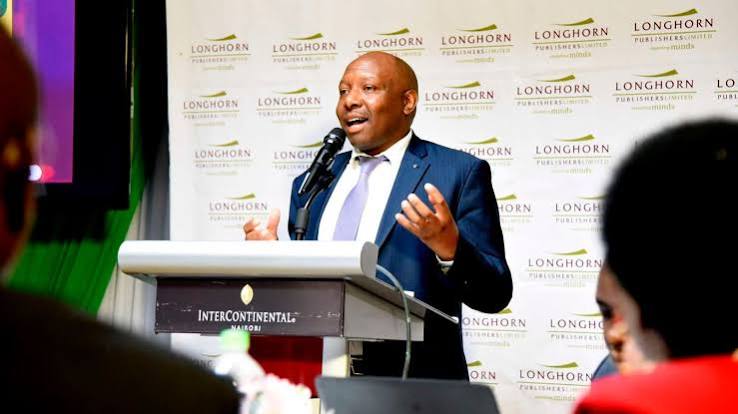
Longhorn Publishers posted a net loss of Sh949.6 million for the year ended June 2026, its largest since listing on the Nairobi Securities Exchange. The loss followed a Sh518 million impairment on curriculum-related investments in books likely to become obsolete. The results were reported on November 2, 2026.
The loss is nearly four times the Sh261.4 million recorded a year earlier. The impairment charges on old curriculum-related investments wiped out gains from higher sales.Report also shows that the publisher’s bottom line was also hit by the derecognition of deferred tax assets worth Sh262 million.
Revenue rose 21 percent to Sh811 million from Sh672.1 million, supported by wider market coverage and better sales performance. Longhorn said it would have posted an operating profit of Sh16 million without the curriculum-related impairment charges, compared with an operating loss of Sh20 million a year earlier. That suggests the core business is improving, even though the accounting charges dominate the headline figure.
The impairments reflect a transition that has been building for several years. Longhorn has invested heavily in content for the competency-based curriculum, and its reports show more than Sh714 million spent on that work between 2018 and 2025. Over the same period, it absorbed Sh254 million in inventory and debtor impairments and wrote off Sh149 million in development costs.
The publisher’s earlier results show how exposed it is to curriculum decisions. In the year to June 2024, Longhorn cut its loss to Sh237.9 million but said it had booked further provisions on inventory and development costs because of curriculum changes. Its record loss had been Sh571.33 million in the year to June 2023, the worst since its 2012 listing until this year.
Longhorn last posted a full-year profit in 2022, when it earned Sh39.91 million. Since then, the company has depended on borrowing to fund curriculum development, and its finance costs have risen as interest rates climbed. The new impairment will add to pressure on the balance sheet, which already needed a Sh200 million capital injection from shareholders after a cash squeeze.
Shareholder support has not been enough to keep the company out of losses. The board approved the Sh200 million support in the previous financial year, and parent Centum Investment Company Plc provided a further Sh30 million afterwards. Longhorn has also been moving into digital learning products to diversify away from print textbooks, but those products are still small compared with its traditional business.
The next signal will come with Longhorn’s half-year results for the period to December 2026, which will show whether sales hold up as the new curriculum rolls out. Investors will be watching whether the company can keep revenue growing while avoiding further write-downs on older titles.