The Central Bank of Kenya (CBK) has directed banks to keep to the plan for raising core capital to Sh10 billion, rejecting Treasury CS John Mbadi’s proposal to extend the deadline to December 2032. The CBK has warned that lenders failing the requirements could be downgraded to microfinance banks. The split leaves lenders uncertain about which timeline applies.
The dispute centres on the Business Laws (Amendment) Act, 2024, which requires commercial banks to raise their minimum core capital from Sh1 billion to Sh10 billion in stages. The original schedule set targets of Sh3 billion by the end of 2025, Sh5 billion in 2026, Sh7 billion in 2027, Sh8 billion in 2028 and Sh10 billion in 2029. Core capital is the direct investment shareholders put into a bank, and regulators rely on it to absorb unexpected losses.
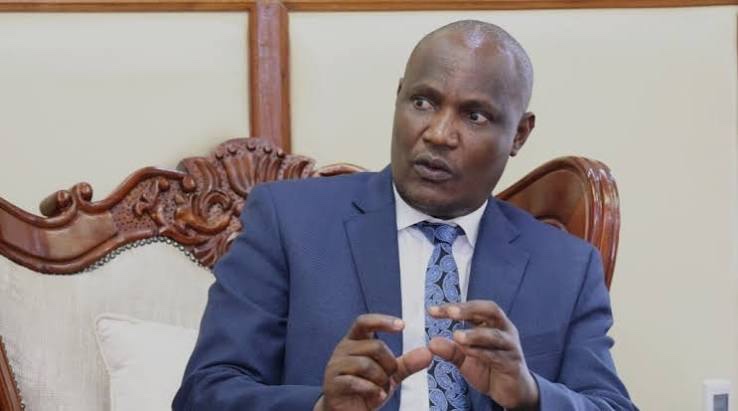
On June 11, Treasury CS John Mbadi told the National Assembly that banks would be allowed to reach Sh10 billion by December 31, 2032, without annual milestones. He said the change would give banks flexibility to raise capital in a way that preserves shareholder value and sustains investor confidence.
The CBK has told banks to disregard that extension and keep to the original plan. Under that schedule, banks must hold at least Sh5 billion by December 2026, Sh6 billion in 2027, Sh8 billion in 2028 and Sh10 billion by December 2029. The regulator says banks face risks, including climate change and cybersecurity shocks, that call for stronger capital buffers.
The CBK has warned that banks failing to meet the minimum could be downgraded to microfinance banks. No such downgrade has been carried out so far and banks below the thresholds have not been formally penalised. As of June 2026, 14 banks had not met the Sh5 billion requirement and seven had yet to reach the earlier Sh3 billion level, according to reports.
Several lenders are well short of the target. Reported figures include African Banking Corporation at Sh2.7 billion, Development Bank of Kenya at Sh2.19 billion, Credit Bank at Sh1.28 billion and Access Bank at Sh893 million. Those lenders now face a choice between raising fresh capital from shareholders or merging with stronger partners.
Banks have argued that tougher timelines could slow lending. Lenders told Treasury that private sector credit would have slowed this year if smaller banks had been pushed to meet the Sh5 billion level quickly. The CBK, for its part, argues that stronger buffers are needed to protect the sector from shocks.
The CBK’s annual banking supervision report shows the sector overall is stronger than many of its weakest members. Seven banks fell short of the Sh3 billion requirement at the end of 2025, while industry core capital against risk-weighted assets rose to 18.2 percent from 17.3 percent. The gap between sector averages and individual lenders is central to the debate.
On November 2, CBK Governor Kamau Thugge said the regulator had already called in some banks to explain how they will meet the Sh5 billion target. He said one or two banks that might struggle would also be asked for their plans and that the CBK is engaging Treasury on the requirements. Thugge’s remarks suggest the regulator is pressing ahead with supervision despite the proposed extension.
The next signal will be whether Treasury amends the Banking Act to match the 2032 timeline or whether the CBK enforces its schedule. Banks below Sh5 billion will need to show credible plans well before December 2026.