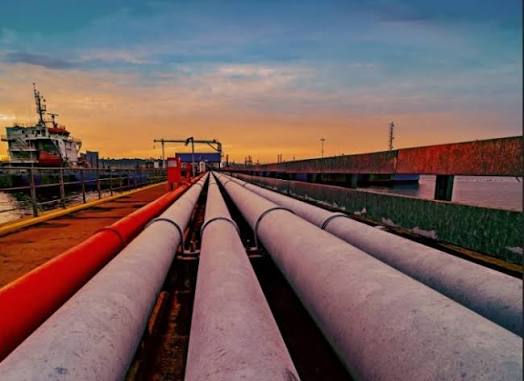
Kenya plans to revive a pipeline linking its South Lokichar oil fields in Turkana County to Aliko Dangote’s proposed refinery in Lamu, following renewed interest in the project after the Nigerian billionaire announced plans for a major petroleum processing facility on the Kenyan coast.
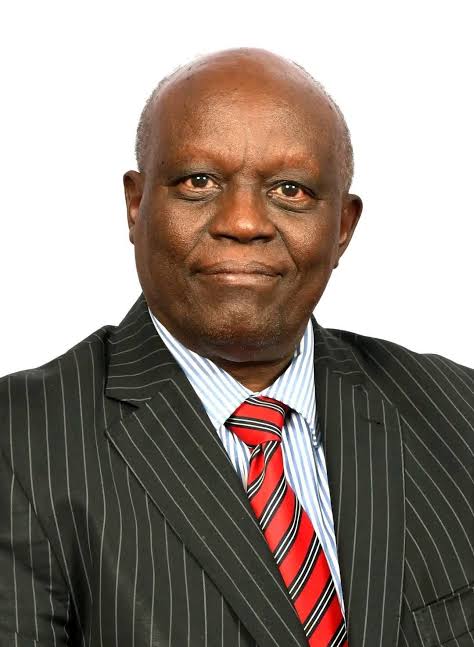
David Ndii, chairman of President William Ruto’s Council of Economic Advisors, confirmed the government’s intention to revive the pipeline, which had previously been abandoned because of concerns about securing financing. He said the planned refinery had improved the project’s commercial prospects by creating a major potential customer for Kenya’s crude oil.
“What this now means is that it now makes a pipeline bankable,” Ndii said, adding that the refinery could also unlock development along the Lamu Port-South Sudan-Ethiopia Transport (LAPSSET) corridor.
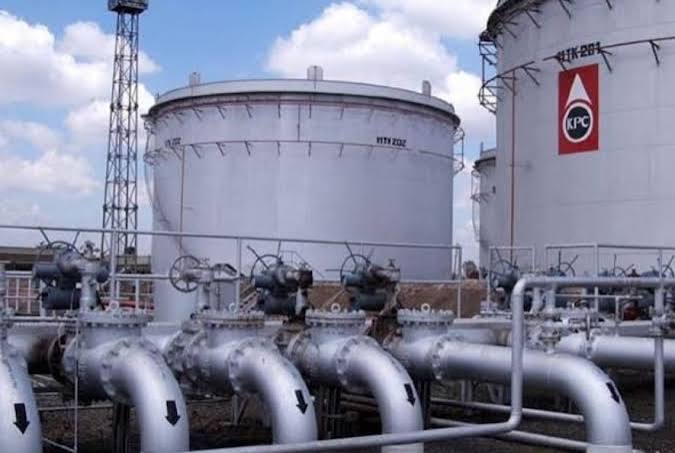
The proposed pipeline would transport crude from the South Lokichar Basin to Lamu, where Dangote broke ground on a refinery project on September 30, 2026. The facility is designed to process up to 700,000 barrels of crude oil daily and is expected to serve Kenya and other regional markets.
Kenya had previously considered transporting Turkana crude by rail after shelving an earlier pipeline proposal because of the estimated $1.5 billion financing requirement. The alternative plan included extending the metre-gauge railway towards South Lokichar, with construction of a 640-kilometre section expected to support future oil transportation.
However, the renewed pipeline proposal could allow production to increase more quickly. Ndii said the availability of a pipeline could support production rising towards 100,000 barrels per day, compared with slower growth under the earlier transportation arrangements.
Gulf Energy, which holds the production licence for Blocks T6 and T7, is expected to resume drilling as Kenya prepares for its first commercial crude production. The government is targeting initial production in December 2026, although the first exports through Mombasa are currently expected in the first quarter of 2027.
Turkana crude will, however, account for only a fraction of the refinery’s planned daily requirements. President Ruto has said Kenya will need to source additional supplies from other countries to support operations at the facility.
The next major development will be securing financing, agreeing on the pipeline's construction arrangements and establishing a reliable supply of crude for the Lamu refinery.