Kenya’s annual inflation rate rose to 7.3 per cent in October 2026 from 4.6 per cent a year earlier, driven mainly by higher food and energy prices, according to the World Bank’s November 2026 Kenya Economic Update.
The increase brought inflation close to the upper limit of the Central Bank of Kenya’s target range of 5 per cent, plus or minus 2.5 percentage points. Despite the rise in headline inflation, underlying price pressures remained relatively subdued, with core inflation standing at 2.5 per cent in October.
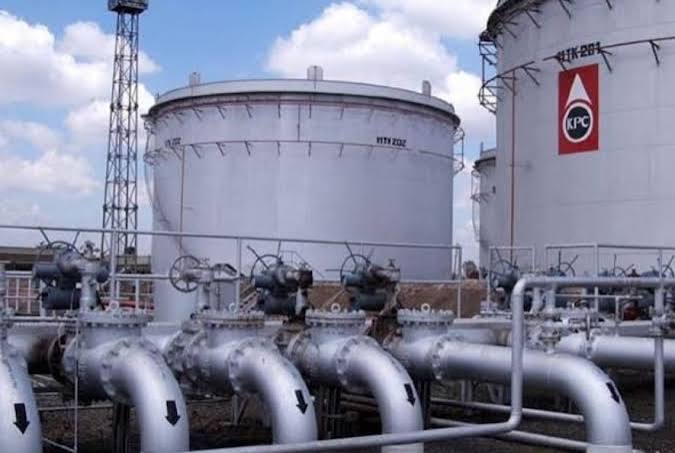
Energy-related inflation recorded one of the sharpest increases, rising to 10.4 per cent from 3.4 per cent in October 2025. The World Bank attributed the rise to higher global oil prices, increased fuel import costs and supply disruptions amid heightened geopolitical tensions linked to the conflict in the Middle East.
Food inflation also climbed, reaching 10.2 per cent in October 2026. The increase added to pressure on household budgets, with the report identifying higher food and energy prices as the main drivers of the rise in overall inflation.
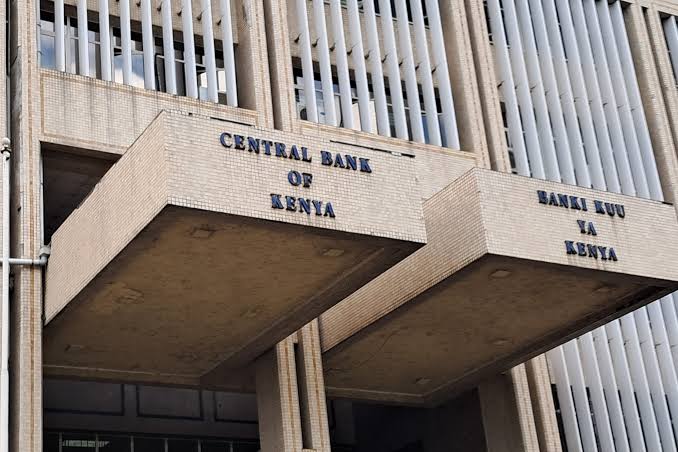
The changing price environment has influenced the Central Bank’s monetary policy decisions. After reducing its Central Bank Rate by a cumulative 250 basis points from 11.25 per cent in January 2025 to 8.75 per cent in February 2026, the regulator held the rate unchanged at its April, August and October monetary policy meetings.
The World Bank said the Central Bank’s decision to maintain the rate was intended to manage inflationary pressures and support exchange-rate stability while monitoring developments in the domestic and global economies.
The increase in inflation comes as higher fuel and transport costs threaten to weigh on household purchasing power and business operations. The report warned that a prolonged conflict in the Middle East could keep energy and shipping costs elevated, intensifying inflationary pressures.
However, the relatively low level of core inflation suggests that broad-based domestic demand pressures remained contained at the time covered by the report.
The direction of inflation in the coming months will depend partly on global energy prices, supply conditions and weather-related disruptions, factors that could determine whether price pressures ease or remain elevated into 2027.