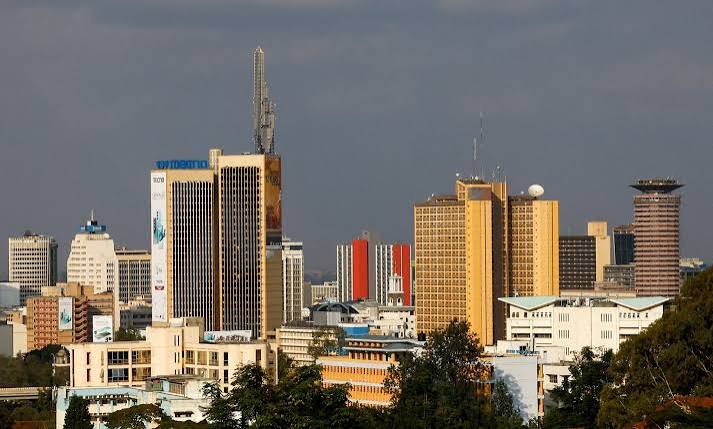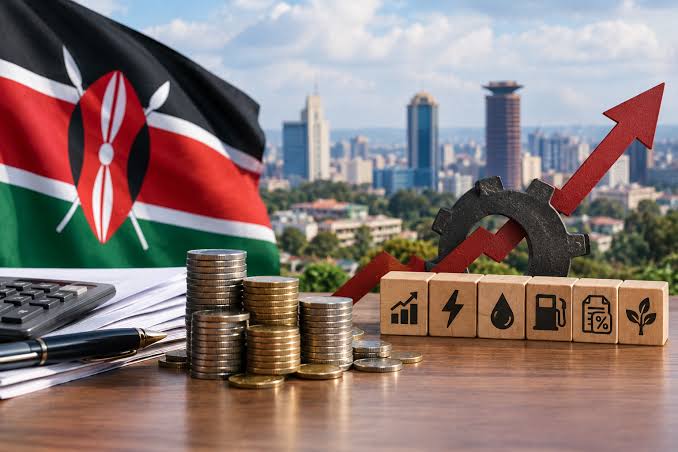
Kenya’s economic growth accelerated to 5.2 per cent in the first half of 2026, up from 4.9 per cent during the same period in 2025, as stronger performance in industry and services helped offset slower agricultural activity, according to the World Bank’s November 2026 Kenya Economic Update.
The economy had recorded growth of 4.6 per cent in 2025, slightly below the 4.7 per cent achieved in 2024. However, growth improved in the first six months of 2026, reaching 5.3 per cent in the first quarter before easing to 5.1 per cent in the second quarter.
The World Bank attributed the improvement largely to stronger activity in industry and services. Industrial growth rose to 4.9 per cent in the first half of 2026, compared with 4.3 per cent in the corresponding period a year earlier.
Construction was among the key contributors, expanding by 6.3 per cent compared with 5.9 per cent in the first half of 2025. Manufacturing also improved, growing by 3.3 per cent, up from 2.1 per cent, supported by increased production in food and beverages, as well as vehicle assembly.
Services maintained steady growth of 5.2 per cent, compared with 5.1 per cent in the first half of 2025. The accommodation and restaurant sector recorded particularly strong performance, expanding by 11.1 per cent against 10.4 per cent a year earlier, reflecting continued recovery in tourism.
Other service activities also registered growth. Information and communication expanded by 6.1 per cent, education by 5.7 per cent, real estate by 5.2 per cent, wholesale and retail trade by 4.4 per cent, and transport and storage by 4.0 per cent.
Agriculture, however, slowed to 4.2 per cent from 4.7 per cent in the first half of 2025. The report linked the moderation to below-average short rains, which affected crop production.
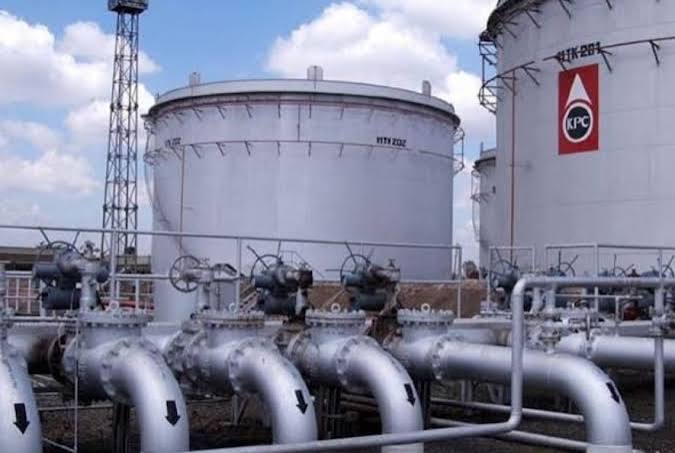
Despite the stronger headline growth, the World Bank cautioned that Kenya’s economic outlook remains exposed to significant risks. Higher energy and transport costs, uncertainty linked to the conflict in the Middle East, and the possibility of erratic El Niño-related rainfall could weigh on economic activity in the second half of 2026 and into early 2027.
The report also noted that growth is expected to remain below potential over the medium term, underscoring the need to strengthen investment and address structural constraints affecting businesses.
The performance in the first half of 2026 points to an improving growth trajectory, but sustaining the momentum will depend on how Kenya manages external shocks, agricultural risks and the cost of doing business.