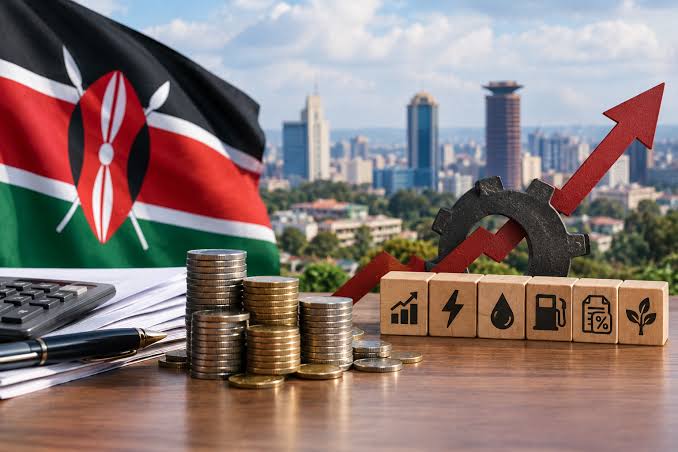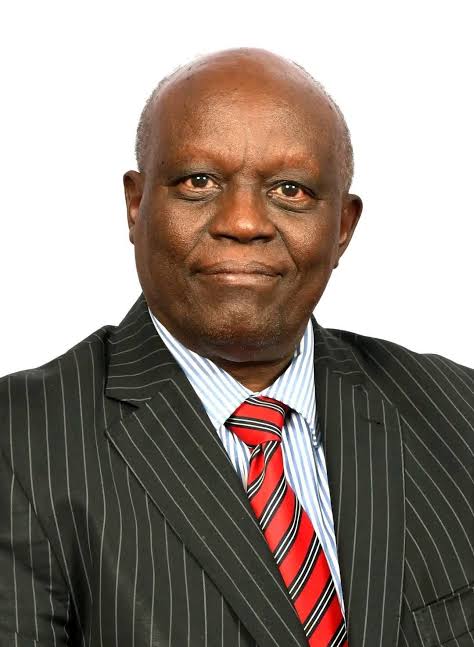
Kenya’s Treasury expects the economy to grow 5 percent in 2026 and 5.1 percent in 2027, after cutting its earlier 5.3 percent forecast because of the Middle East conflict. Principal Secretary Chris Kiptoo presented the revised outlook. The forecast comes as the government faces revenue shortfalls and a budget deficit expected to widen.
The National Treasury revised its 2026 growth forecast down to 5 percent from 5.3 percent, citing disruptions from the Middle East conflict. The cut reflects higher global fuel prices, disrupted supply chains and weaker external demand. Principal Secretary Chris Kiptoo said growth would improve gradually to 5.1 percent in 2027 and 5.2 percent in 2028.
The economy grew 5.3 percent in the first quarter of 2026, which gives the revised forecast some support. Treasury expects growth to be supported by agriculture, financial services, manufacturing, construction, tourism and private investment. Cabinet Secretary John Mbadi has said the economy “remains resilient” and averaged 5 percent growth between 2020 and 2025.
International forecasters are more cautious. The IMF projects growth of 4.5 percent in 2026 and 4.7 percent in 2027, while the World Bank’s latest projections put 2026 growth at 4.3 percent. Those estimates sit below the Treasury’s figures, which suggests the official outlook depends on conditions still to unfold.
Fiscal pressure is the main counterweight. The government cut its revenue target for the 2027 fiscal year by Sh178.2 billion, after underperformance in 2024/25 and a slow start to 2025/26. The Treasury expects the budget deficit to rise to 5.9 percent of GDP in 2027/28 from 5.5 percent in 2026/27.
The Draft 2026 Budget Policy Statement had already warned of a revenue gap and tighter fiscal space. Treasury has said consolidation remains on track while it protects priority programmes. Those warnings have grown more urgent as the government approaches the 2027 general election.
Elections add a further layer of risk. Campaign spending, government expenditure decisions and investor uncertainty could all shape economic activity in the lead-up to the vote. The IMF expects inflation to ease to 5 percent in 2027, which would help households facing high living costs.
Growth has recently been supported by agriculture, services and private investment, but energy costs and weaker external demand remain risks. The sustainability of a 5 percent growth path will depend on how well revenue performs and whether the government can contain its borrowing needs.
The next signals will be quarterly GDP data, the 2027/28 budget proposals and any revision to the growth forecast. Watch whether revenue collections meet the revised targets and whether fuel prices stabilise, since both will determine whether the 5.1 percent projection holds.