The Kenya Pipeline Company (KPC) foiled an attempt to siphon petroleum products through an illegal connection on its pipeline in Mombasa County. Routine surveillance detected the connection on Monday, November 2, 2026, on the line linking Pumping Station 14 to Pumping Station 15. The company said no product was lost and reported the incident to Chaani Police Station.
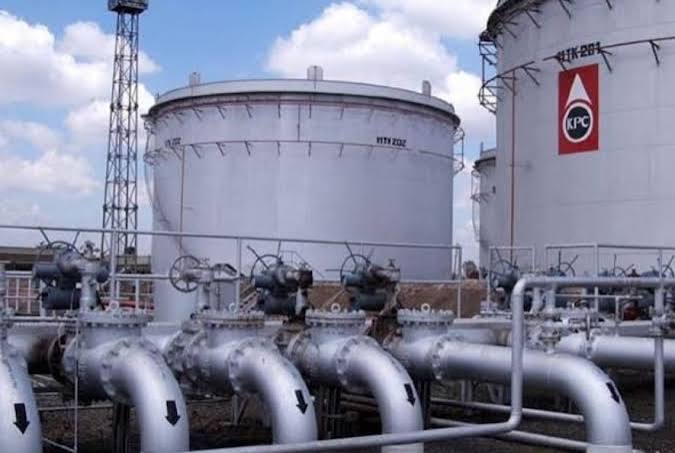
The Kenya Pipeline Company has stopped an attempt to siphon fuel from its line in Mombasa County. The illegal connection was on the line linking Pumping Station 14 to Pumping Station 15. Security and maintenance teams secured the site after the discovery.
KPC’s surveillance caught the attempt on Monday, November 2, during routine patrols. Its teams reported the connection to Chaani Police Station, where specialist detectives have opened an investigation. KPC has not said whether anyone has been arrested.
Dinah Kirwa, KPC’s general manager for human resources and administration, said the response prevented any loss of product. The company has not said how long the connection had been in place. That question matters because fuel theft that goes undetected for months can cost far more than a single discovery.
Fuel theft along the pipeline has a long history.It is reported that KPC looses about Sh600 million a year to theft along its network from the Mombasa port, and that the company recovers the cost through a Sh0.16 charge on every litre of petrol and diesel. That charge means losses are ultimately paid by fuel consumers.
Earlier cases were far larger. In June 2019, detectives busted a syndicate at Mlolongo in Machakos County that had dug a tunnel to reach the pipeline, and police later arrested several suspects. Investigators in that case also questioned why a leak detection system had not been installed on the pipeline.
Other incidents have involved losses that were only discovered later. KPC said 4.49 million litres of fuel were lost at Koru between March and June 2017, through an illegal connection that fed a nearby petrol station. Early detection of illegal connections is therefore as important as recovering stolen fuel.
The next signals will be whether police make arrests, whether KPC discloses how long the connection was in place and what extra surveillance it plans. Those answers will show whether the monitoring worked as a deterrent or caught a one-off attempt.