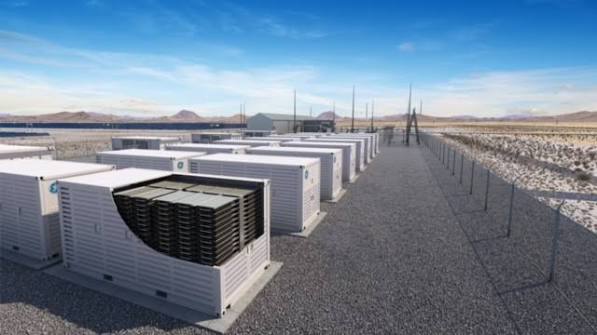
Kenya Electricity Generating Company (KenGen) has secured Sh10.5 billion from the United Nations-backed Green Climate Fund (GCF) and the World Bank’s International Development Association (IDA) to develop battery storage facilities for surplus renewable electricity. The funding, disclosed in KenGen’s annual report for the year ended June 2026, will support a 100-megawatt-hour system to store excess wind and solar power for use when demand rises.
The GCF will provide US$45 million, equivalent to about Sh5.84 billion, while the World Bank’s IDA will contribute 32.08 million euros, valued at approximately Sh4.65 billion. The planned installations will be located at Olkaria, Kipevu, Embakasi and Muhoroni.
Battery storage allows electricity generated during periods of strong wind or sunlight to be held and dispatched later, particularly during evening peak demand. KenGen currently lacks a battery energy storage system for its wind and solar plants, limiting the use of surplus generation when demand on the national grid is highest.
The project is expected to reduce reliance on thermal power plants and electricity imports from neighbouring countries while improving supply reliability. Storage can therefore help match production with the hours when consumers need power.
KenGen says the project is at the design and tendering stage. The loan is scheduled to mature in 2048, although its interest rate has not been disclosed. The company listed the financing among key achievements for the financial year ended June 2026.
The facilities will support wider renewable energy integration by allowing surplus power generated when demand is low to be used later.
KenGen supplied 8.97 billion kilowatt-hours of electricity to Kenya Power in the year ended June 2026, representing 57.2 per cent of total electricity supplied. Its net profit stood at Sh10.35 billion, down from Sh10.48 billion in the previous financial year.
KenGen is also planning a 42.5-megawatt solar plant along the Seven Forks Cascade and aims to add 5,540 megawatts of generation capacity and 500 megawatt-hours of battery storage.
The project must now complete design and tendering before construction begins.