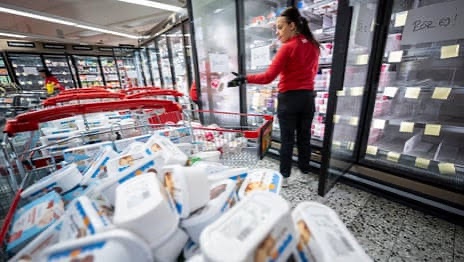
Supermarket refrigeration systems in nine European countries have been disrupted by suspected cyberattacks, forcing retailers to remove spoiled products and investigate vulnerabilities in connected equipment. The incidents were reported on November 2, 2026, across Belgium, Estonia, Finland, Ireland, Italy, Luxembourg, the Netherlands, Portugal and Sweden, raising concerns about the security of food supply chains.
The attacks affected refrigerators and freezers in grocery stores, with some units reportedly recording temperatures as high as 50 degrees Celsius. Retailers said the disruptions forced them to discard perishable goods and temporarily remove chilled and frozen products from shelves.
In Belgium, several supermarket chains reported problems, including Carrefour, Delhaize, Intermarché and Colruyt. Carrefour said about 15 of its 700 Belgian stores were affected, while Delhaize reported disruptions across several dozen outlets. The country's federal prosecutors opened an investigation.
In Sweden, supermarket groups ICA and Coop also reported refrigeration problems. Coop confirmed that six stores were affected, while ICA said a limited number of outlets experienced incidents involving cooling equipment.
Ireland's Musgrave reported that 13 SuperValu stores had been affected. In Portugal, the Mosqueteiros group confirmed incidents at seven Intermarché stores, while retailers in Finland, Estonia, Luxembourg and the Netherlands also reported disruptions.
The incidents have raised concerns about the risks associated with remotely managed refrigeration systems used by supermarket chains. Such equipment allows retailers and service providers to monitor temperatures and control cooling operations across multiple locations, but vulnerabilities can expose stores to disruption.
The latest incidents follow a similar attack in France on October 12, when refrigeration systems at hundreds of supermarkets were reportedly compromised. The repeated disruptions have increased pressure on retailers and equipment providers to review cybersecurity protections and access controls.
Investigators have not established who was responsible for the latest incidents or whether all affected retailers were targeted through the same method. In some cases, companies confirmed cyber incidents, while others said they were still investigating the cause.
The disruptions could increase operating costs for retailers through discarded stock, equipment repairs and security upgrades. Food safety requirements also mean affected businesses must ensure products exposed to unsafe temperatures are not returned to sale.
Authorities and retailers are expected to continue investigating the incidents, while cybersecurity specialists examine whether shared suppliers and connected refrigeration systems created weaknesses that could be exploited across national borders.