Kenya is seeking increased private-sector investment in electricity generation, transmission and battery storage as rising consumption pushes peak power demand to approximately 2,550 megawatts (MW). Energy Cabinet Secretary James Opiyo Wandayi made the appeal on November 26, 2026, at the Sustainable Energy Conference in Olkaria, Naivasha, saying public-private partnerships will be essential to expanding infrastructure and supporting the country's industrial ambitions.
Wandayi said the government wants private investors to participate in developing transmission infrastructure through public-private partnerships (PPPs), while also encouraging investment in battery energy storage systems. He argued that expanding electricity generation without strengthening the grid would leave some power plants unable to deliver their full capacity.
Transmission infrastructure is becoming a major investment priority as Kenya's electricity consumption grows. The Energy and Petroleum Regulatory Authority's 2025/2026 statistics report recorded peak demand of 2,514.28MW on June 29, 2026, an 8.55 per cent increase from the previous financial year. More recent figures cited by energy officials put the peak at about 2,550MW in July.
The government is also looking to battery storage to improve the use of renewable electricity. Storage systems can retain surplus power generated during periods of strong solar and wind production and release it when demand increases, helping balance fluctuations in supply.
Kenya's transmission expansion requirements illustrate the scale of financing involved. The country's transmission master plan identifies the need for approximately 9,600 circuit kilometres of additional lines over 20 years, at an estimated cost of $5.2 billion.
The government has already begun using private-sector partnerships to finance parts of this expansion. In December 2025, Kenya Electricity Transmission Company signed a Sh40.4 billion PPP agreement with Africa50 and India's Power Grid Corporation for two high-voltage transmission projects.
The investment push also supports Kenya's commitments under Mission 300, a joint World Bank and African Development Bank initiative targeting electricity access for 300 million people across Africa by 2030. Kenya's National Energy Compact combines national grid expansion with mini-grids and off-grid solar solutions to reach underserved communities.
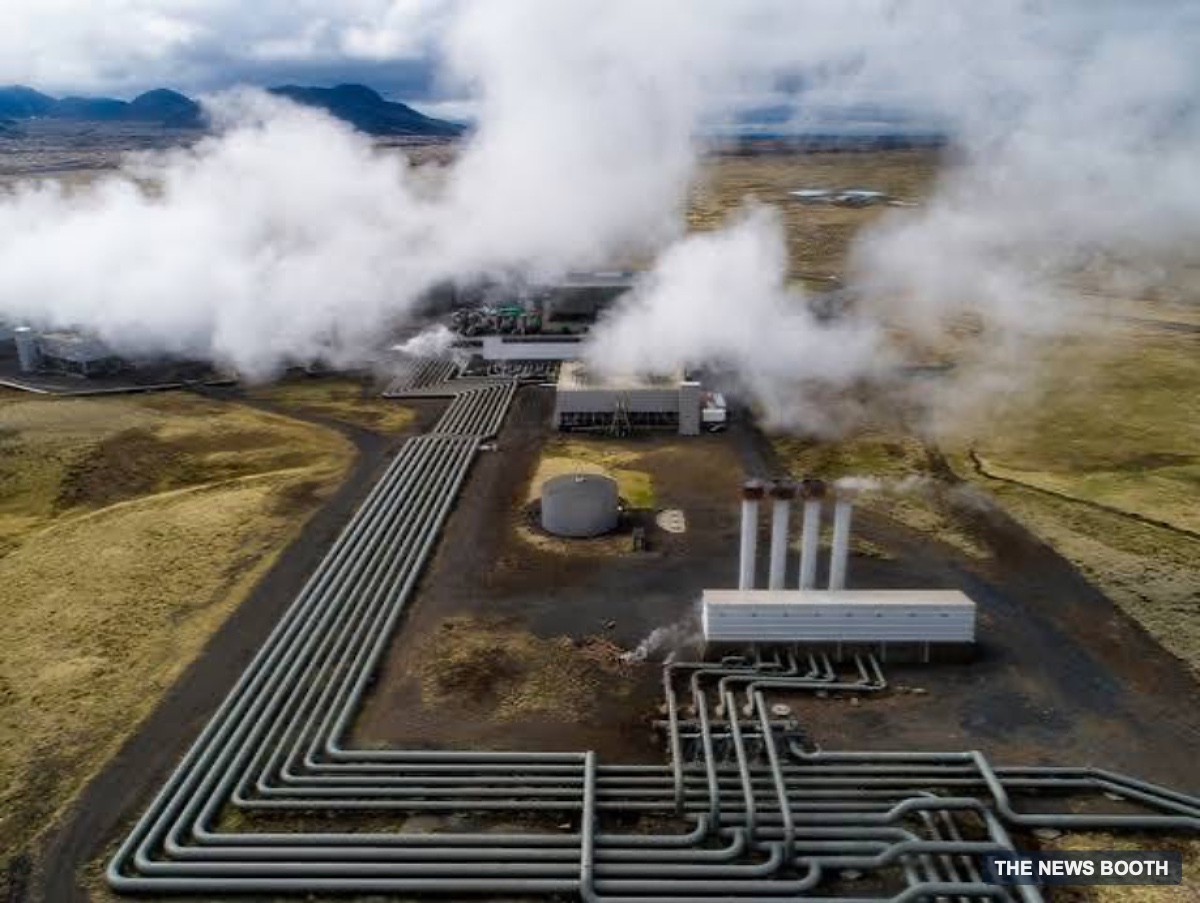
At the conference, KenGen said it was targeting an additional 5,540MW of renewable energy capacity by 2034. Its immediate development programme includes about 250MW expected to connect to the national grid by 2027, alongside a 100MW battery storage system.
However, attracting private capital will depend partly on predictable regulations governing power purchase agreements, licensing and electricity tariffs. Wandayi said the government would seek to balance investor returns with consumer protection as it opens more opportunities for private participation.
The coming years will test whether these partnerships can deliver the transmission capacity, storage infrastructure and additional electricity needed to support industrial growth and wider access.