Seven international commodity traders have been identified as influential players in Kenya’s wheat supply chain, raising concerns about competition and the cost of food products including bread, chapati, pasta and biscuits. A study by the African Competition Forum (ACF) warns that weaknesses in Kenya’s wheat pricing and import systems could expose consumers to prices above international market benchmarks.
The seven companies named are Bunge Global, Cargill, Louis Dreyfus Company, Holbud, Seaboard Corporation, Me Solaris and Wild Agri. They operate between international wheat producers and Kenyan millers, arranging the sourcing, shipping and delivery of bulk grain shipments.
The ACF says the companies do not necessarily own the imported wheat but can still earn through trading margins, service fees, commodity risk management and other activities. Although they maintain local sourcing or trading offices, key pricing, hedging and risk-management decisions are often centralised at offices outside Kenya.
The study does not establish that the companies have colluded, manipulated tenders or deliberately inflated prices. However, it warns that their extensive international networks and financial resources could weaken the bargaining power of local millers.
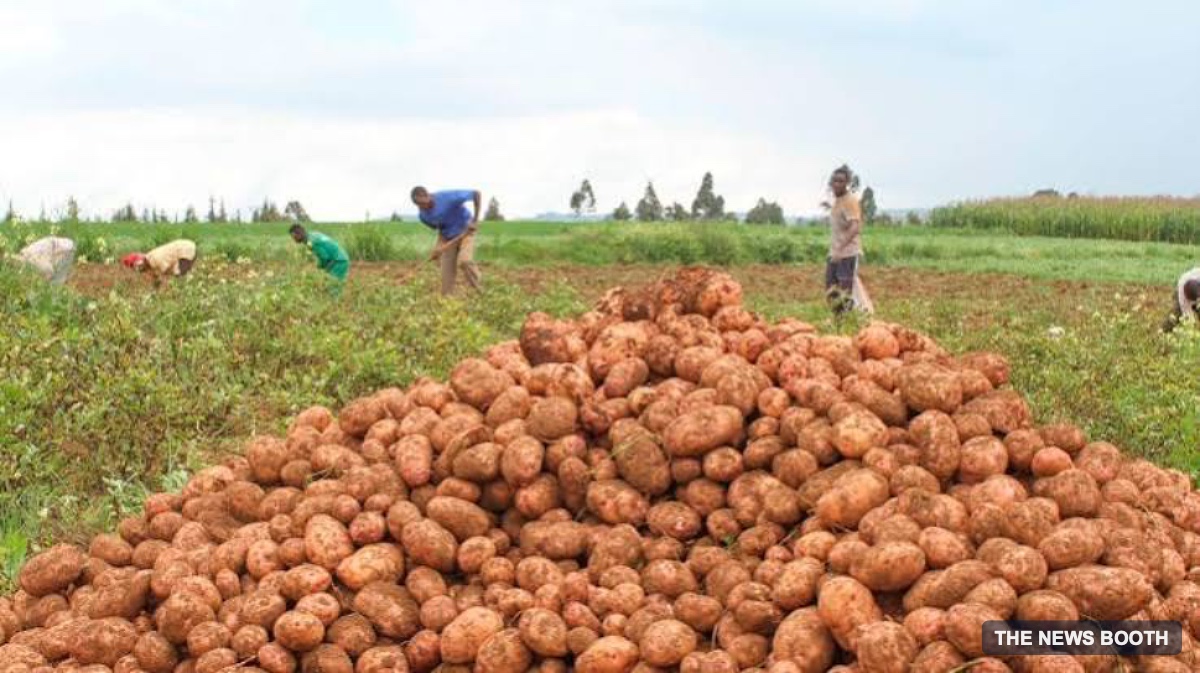
Kenya imported approximately 2.2 million tonnes of wheat during the 2024/2025 financial year, mainly from Russia, Ukraine and Argentina. The grain is a key ingredient in everyday foods, making its import cost an important factor in the price of flour and other wheat-based products.
The report also questions Kenya's domestic wheat pricing arrangements. A pricing committee sets minimum prices for locally produced wheat, while millers importing grain must purchase local supplies in proportion to their import allocations. The policy is intended to protect farmers and support domestic production, but the ACF says it can disconnect local prices from international benchmarks.
At the time covered by the study, the National Cereals and Produce Board's minimum price for a 90-kilogramme bag of Grade One wheat was Sh4,750. The price has since increased to Sh5,100, adding to the cost considerations facing millers.
The ACF further warns that the tendering system used by millers to procure imported wheat could create opportunities for bid rotation among suppliers. It recommends stronger competition oversight to address potential weaknesses.
The findings put the spotlight on how international trading networks, domestic agricultural policies and import costs interact to influence Kenya's food supply chain. Competition authorities and policymakers will face pressure to examine whether the current system protects farmers without unnecessarily increasing costs for consumers.