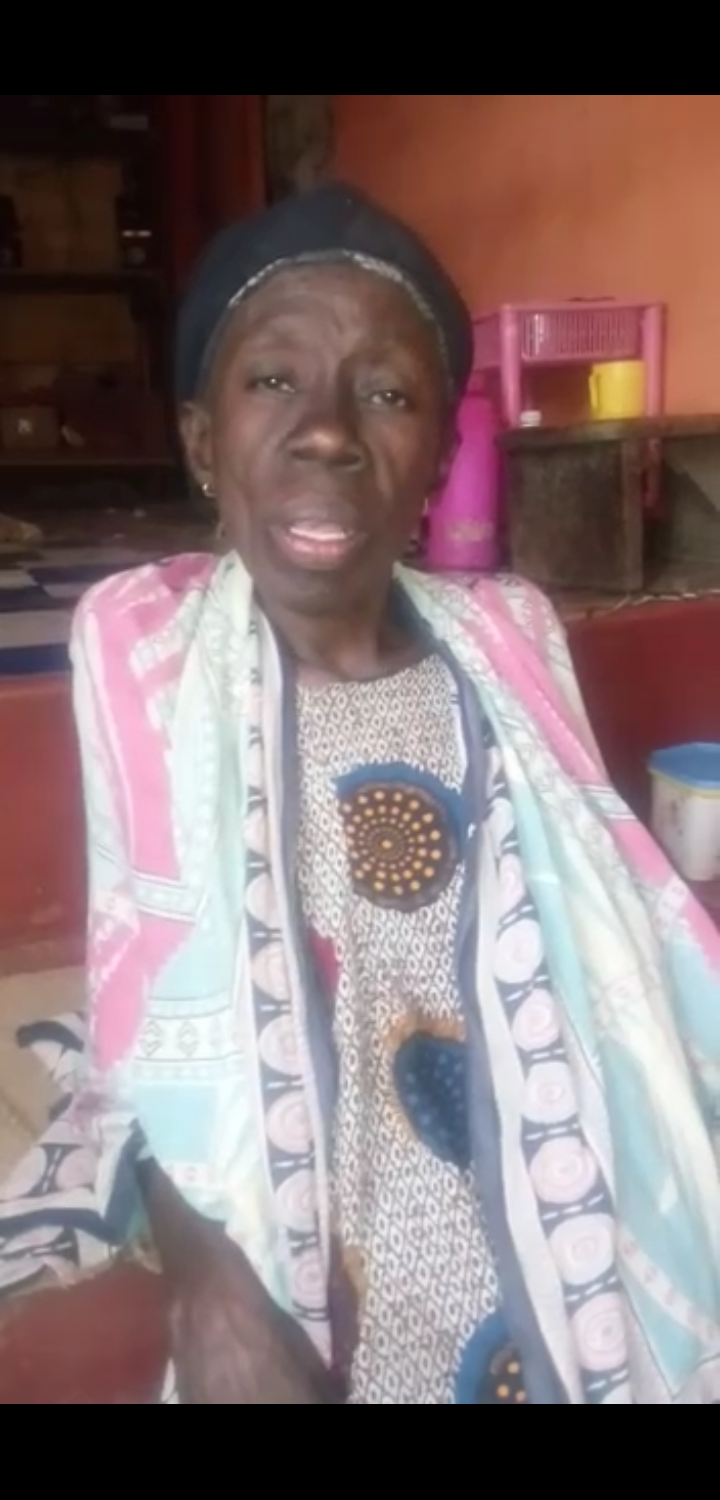
In Junda Ward, Mombasa County, lives Habiba Ismail, a middle-aged mother of two sons.
One of her sons has a mental disability while the other is jobless. Through her daily struggle, she has to battle being both a mum and a provider to her ailing and jobless son.
Life has dealt her a heavy blow, as she now suffers from her own illness. Addressing the media on Wednesday, Habiba said she has been sick since January this year, initially suffering from dengue fever and pneumonia.
"I have been indoors almost a year now. I have exhausted everything. I do not have money and food," she lamented.
She now appeals to any well-wisher to come to her aid and help her get the medical attention she needs. Habiba can be reached through her mobile number 0743143720. She adds that she has been surviving through her small business, which has since collapsed.
The hidden cost of illness
Habiba's story mirrors that of thousands of Kenyan households where illness strikes the primary caregiver, collapsing the family's only source of income. Out-of-pocket health spending pushes an estimated one million Kenyans into poverty every year, and for families already at the margins, a single hospitalisation can be catastrophic.
Dengue fever, spread by the Aedes mosquito, has become an increasing concern in coastal Kenya, with outbreaks recorded in Mombasa and Malindi in recent years. Pneumonia remains a leading killer of vulnerable populations, compounded by delayed care when families cannot afford treatment.
Where to find help
Well-wishers wishing to assist Habiba can reach her directly on 0743143720. Community members in Junda Ward and beyond are also encouraged to channel support through local administration and ward administrators, who can verify and coordinate assistance for vulnerable residents.
The bigger picture
Cases like Habiba's underline persistent gaps in social protection coverage. Kenya's National Hospital Insurance Fund (NHIF) covers a fraction of treatment costs for many conditions, and informal-sector workers like small-scale traders often fall behind on contributions precisely when income dries up. County governments operate emergency and welfare funds, but awareness and access remain limited.