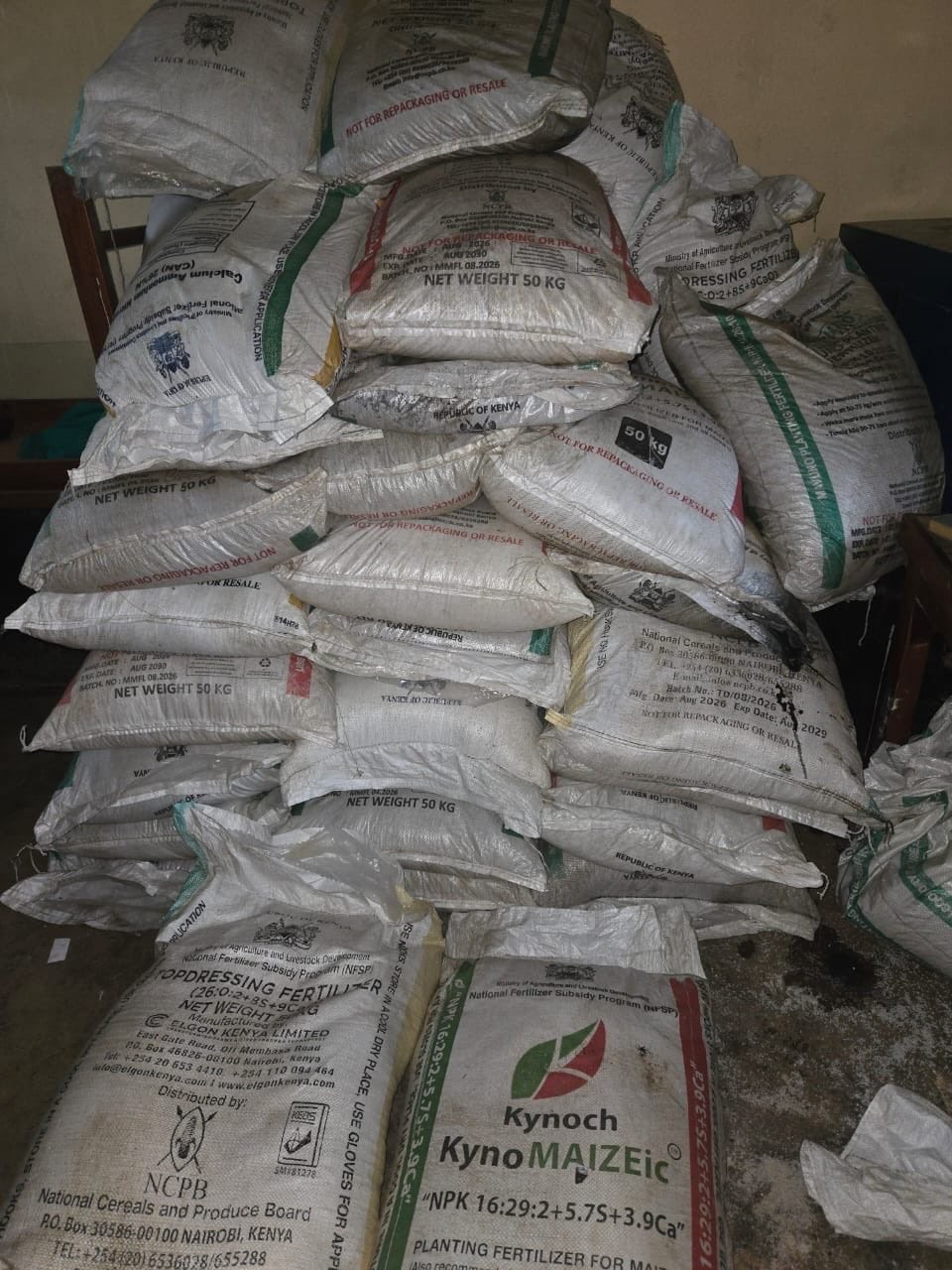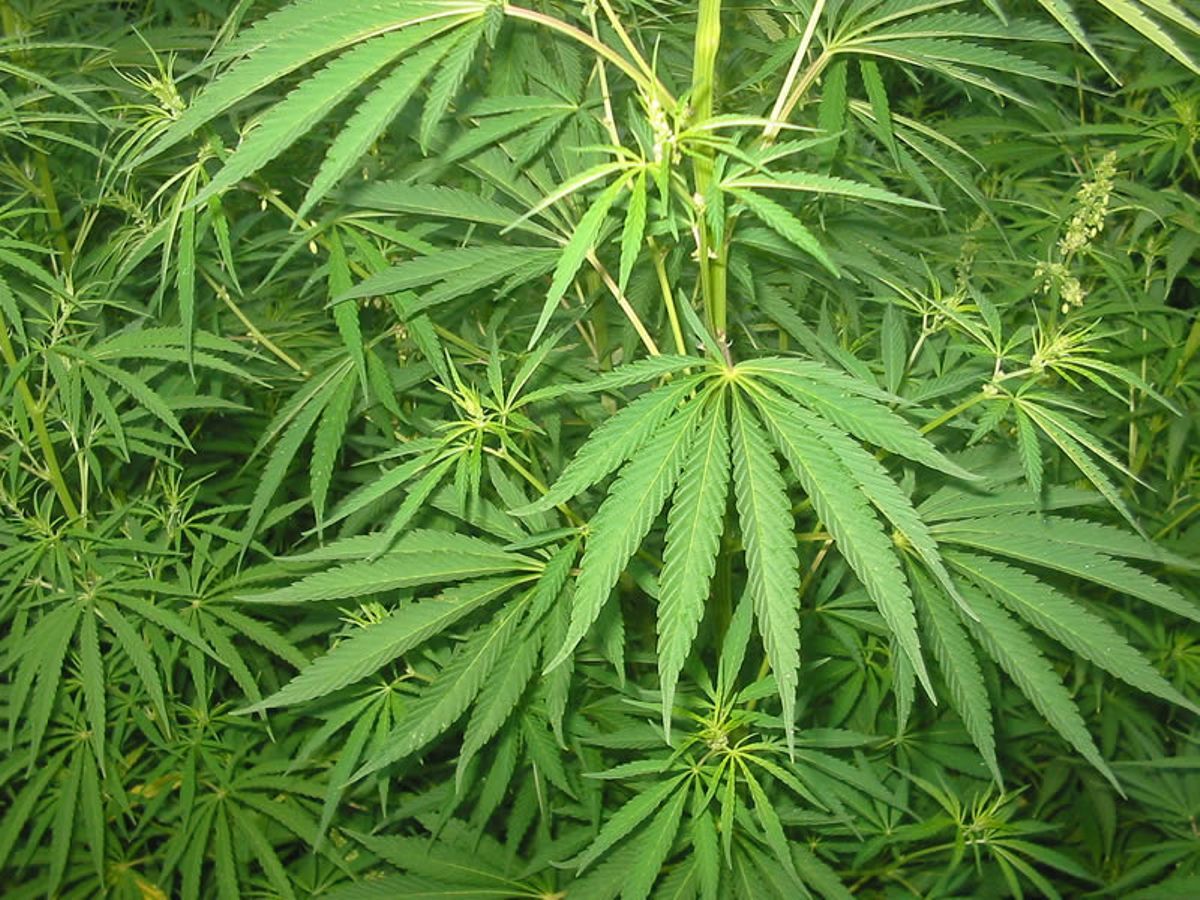
A 58-year-old man left a court in Eldoret raising eyebrows after openly admitting that he grew cannabis on his farm as a way of earning a living. This admission is particularly striking given the ongoing debates surrounding the legality of cannabis cultivation in Kenya, where the drug remains illegal despite discussions about potential legalization for medicinal purposes.
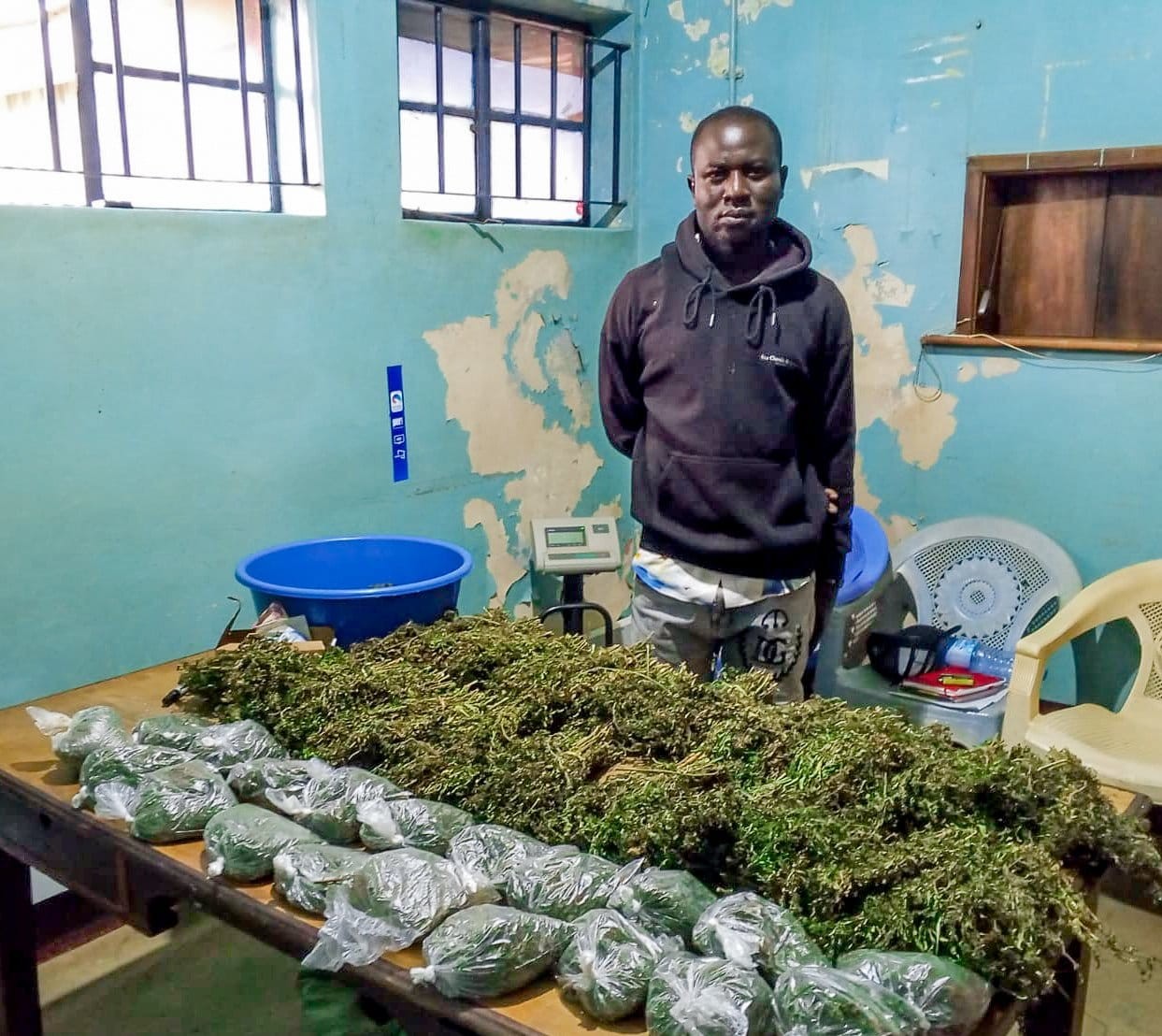
Geofrey Lingoli was found in possession of 34,000 grams of bhang, valued at more than Ksh. 1 million, on August 15, 2026, in Malel village, Uasin Gishu County. The significant quantity of bhang, which is a substantial amount for personal use, indicates that Lingoli was likely involved in larger-scale cultivation. The bhang was allegedly grown on a portion of his land, raising questions about agricultural practices and the economic pressures that may lead individuals in rural areas to engage in illegal activities.
When Lingoli appeared before Eldoret Senior Principal Magistrate Kimani Mukabi, he pleaded guilty to the charge and gave the court an unusually straightforward explanation, saying that the bhang was his investment and a source of income. This candid admission reflects a growing trend among some individuals who view cannabis cultivation as a viable economic opportunity, despite the legal risks involved. Lingoli's case highlights the complex socio-economic factors that drive individuals to cultivate illegal substances, particularly in regions where alternative livelihoods may be limited.
In addition to the primary charge, Lingoli also faced a second charge of being found in possession of 50 grams of bhang, valued at Ksh. 1,500, in the same area. This additional charge further complicates his legal situation and underscores the serious nature of drug-related offenses in Kenya. The possession of such quantities of bhang can lead to severe penalties, reflecting the government's stance on drug enforcement.
Despite his candid explanation, the court was not persuaded to let him walk away and ordered that he be remanded at Eldoret Prison until September 18, 2026, when the court is expected to deliver its judgment. This decision indicates the judiciary's commitment to upholding the law, even in cases where defendants provide honest assessments of their situations. Lingoli's case will likely be closely monitored, as it may influence future discussions around drug policy and enforcement in Kenya, particularly in light of the ongoing debates about the economic implications of cannabis cultivation.