A customer scrolling through TikTok in Nairobi can now find a Chinese seller demonstrating handbags, household appliances, clothes and beauty products live, taking orders and arranging deliveries without the customer ever visiting a physical shop.
In shopping centres and wholesale districts, Chinese-owned businesses are also selling products that Kenyan traders have traditionally imported from China themselves. This raises an intriguing question: if the goods are manufactured cheaply in China, why are Chinese entrepreneurs travelling thousands of kilometres to sell them in Kenya and are they operating under better business conditions than local traders?
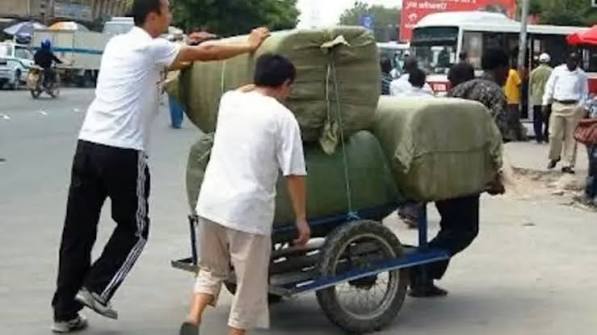
Part of the answer lies in their access to the supply chain. Some Chinese entrepreneurs have direct relationships with factories, manufacturers and wholesalers in their home country. Instead of buying from Kenyan importers who have already paid for shipping, customs clearance, warehousing and distribution, they can source goods closer to the point of production.
Businesses with established supplier networks can also consolidate large orders, negotiate prices and replenish stock more efficiently. This can give them a cost advantage over smaller Kenyan retailers who purchase from local wholesalers or import in smaller quantities.
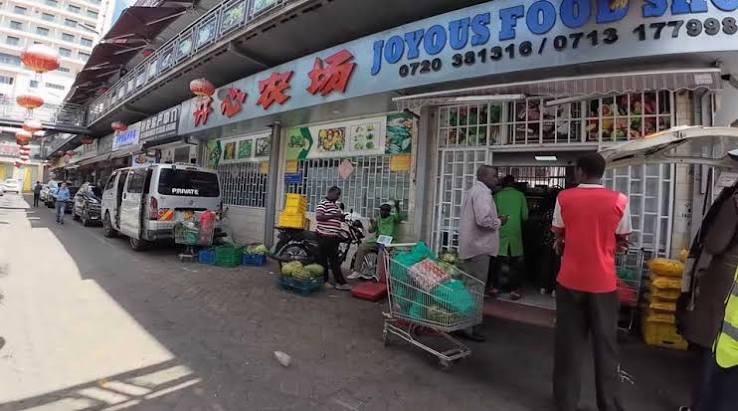
The expansion of retailers such as China Square illustrates this model. The retailer attracted customers with a wide product selection and competitive prices, while its direct sourcing arrangements helped reduce reliance on intermediaries. Its expansion has, however, raised concerns among Kenyan traders who say they struggle to compete with businesses closer to manufacturers.
But access to cheaper products does not automatically translate into higher profits. Chinese-owned businesses in Kenya still have to contend with rent, salaries, electricity, transport, import duties, taxes, competition and changing consumer demand. Goods that are cheap at the factory can become considerably more expensive after shipping, insurance, port charges and customs clearance.
TikTok Live is another part of the changing business model. Live selling allows traders to demonstrate products, answer questions, negotiate with customers and take orders in real time. It can reduce dependence on expensive retail premises and reach customers beyond the neighbourhood where a shop is located.
The model is not exclusive to Chinese entrepreneurs. Kenyan traders also use TikTok, Facebook and Instagram to sell imported products. The difference often comes down to sourcing arrangements, stock availability, marketing budgets and the ability to offer competitive prices.
Do Chinese businesses pay less tax?
There is no general tax exemption simply because a business is Chinese-owned. The Kenya Revenue Authority requires businesses earning taxable income in Kenya to meet applicable tax obligations. Corporate tax treatment depends on factors such as whether the company is tax-resident in Kenya or operates as a non-resident entity. VAT, applicable import taxes, employee-related taxes and other statutory obligations also depend on the nature of the business and its transactions.
Foreign nationals also face immigration and licensing requirements. In September 2026, the government announced a 90-day regularisation exercise requiring foreign nationals operating businesses to update their immigration, work-permit, registration and licensing documents. The government said the requirements would be enforced after the grace period.
The debate intensified after Kenyan traders complained that foreign nationals were entering small-scale retail and competing directly with local entrepreneurs. President William Ruto subsequently called for certain small-scale trading activities to be reserved for Kenyan citizens, while the government clarified that Kenya was not imposing a blanket ban on foreign business participation.
Are they actually making money?
There is no publicly available industry-wide data establishing how profitable Chinese-owned retail businesses in Kenya are compared with Kenyan-owned shops. High customer traffic, low prices or frequent TikTok broadcasts do not necessarily mean a business is profitable.
However, businesses that combine direct sourcing, bulk purchasing, efficient distribution and online marketing can potentially operate with lower costs and reach more customers. Their success depends on whether those savings exceed the costs of operating in Kenya.
For Kenyan entrepreneurs, the lesson is not simply to compete by lowering prices. It is to improve sourcing, negotiate better supplier terms, build online sales channels and reduce unnecessary distribution costs.
Ultimately, the competition is exposing a deeper weakness in Kenya's retail ecosystem: the trader who controls the supply chain, understands the customer and manages costs efficiently can gain an advantage regardless of nationality. The challenge for Kenya is ensuring that competition remains lawful and fair while creating an environment in which local businesses can also grow.