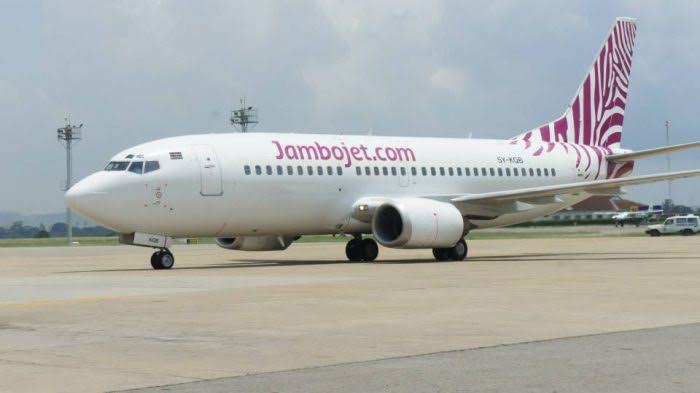
Jambojet has cut its fuel costs by about 16 percent over the past four years through changes to flight operations and data-driven fuel planning, the airline said on November 19, 2026. Chief Executive Karanja Ndegwa said the savings came from single-engine taxiing, gradual aircraft descent and optimised fuel planning. The measures also aim to lower the airline’s carbon emissions.
The savings are a sizeable result for a carrier whose costs are heavily exposed to fuel. Fuel has been the largest pressure on airline operating costs in recent years, and Jambojet’s report sets out how it has offset some of that cost. Ndegwa said the initiatives were in place over the four years, which means the savings are a cumulative result rather than a single-year change.
Single-engine taxiing is one of the measures. After landing, pilots shut down one engine when safety and airport conditions allow, which cuts fuel burned on the ground. Gradual descent is another, allowing the aircraft to reduce altitude slowly rather than dropping quickly, which uses less fuel on the approach.
The airline’s planning has also changed. Network Analyst Felix Ogutu said flight data, including fuel consumption, aircraft speed, temperature and route conditions, is monitored continuously. That information allows Jambojet to refine its fuel estimates and carry only the fuel each route needs, which reduces weight and burn.
The fuel question has been acute this year. Ndegwa told Aviation Week that fuel’s share of operating costs peaked at 27 percent after the Middle East conflict, before easing back to about 23 percent. Jambojet’s net profit margin fell from about 11 percent to 7 percent over the same period, which shows how much the savings matter to its margins.
Efficiency gains do not solve the problem alone. Fuel prices are set largely by global markets and by taxes in Kenya, so an airline can control how much fuel it burns but not what it costs per litre. The 16 percent saving therefore reflects operational discipline rather than lower prices.
The airline is also expanding. Ndegwa has said Jambojet plans to grow its Dash 8-400 fleet from nine to 16 aircraft by 2029 and to lift passenger numbers from about 1.5 million a year to between 2.8 million and 2.9 million within five years. Growth on that scale will test whether the fuel savings can hold as the network expands.
Carbon emissions are part of the pitch. Ndegwa has also pointed to the lower emissions of the Dash 8-400 and to the operational measures in the report. Jambojet is still deciding whether to move beyond an all-turboprop fleet, and its 10-year network strategy will shape that choice.
The next signals will be whether Jambojet publishes figures on its emissions reduction, how fuel costs move as its fleet grows, and whether its margins recover. The airline’s results for the year will show how much of the efficiency gain reaches the bottom line.